Overview
Few animals in North America capture the imagination quite like the raccoon (Procyon lotor). Instantly recognizable by its distinctive facial mask and ringed tail, the raccoon is one of the continent's most adaptable, intelligent, and charismatic wild mammals. From dense hardwood forests to suburban backyards, from coastal marshes to the glacially carved lake country of Minnesota, the raccoon has carved out a niche in nearly every environment it encounters. Its remarkable versatility, problem-solving intelligence, and opportunistic nature have made it both a celebrated subject of wildlife study and a prized quarry for hunters across the United States.
In Minnesota — the "Land of 10,000 Lakes" bordered by Canada to the north and surrounded by the great states of Wisconsin, Iowa, North Dakota, and South Dakota — the raccoon is a familiar and beloved part of the natural landscape. Whether glimpsed along the shoreline of one of the state's 14,420 lakes, spotted foraging in a riverside woodland at dusk, or tracked through fresh snow on a crisp autumn morning, the raccoon is woven into the fabric of Minnesota's outdoor heritage. This article explores the biology, habitat preferences, hunting traditions, and conservation status of this remarkable animal.
Biological Traits
The raccoon, Procyon lotor, belongs to the family Procyonidae, a group of medium-sized omnivores native primarily to the Americas. The genus name Procyon is derived from Greek, roughly translating to "before the dog," while the species name lotor is Latin for "washer" — a nod to the raccoon's well-known habit of manipulating food near water, a behavior that has long fascinated naturalists and wildlife observers.
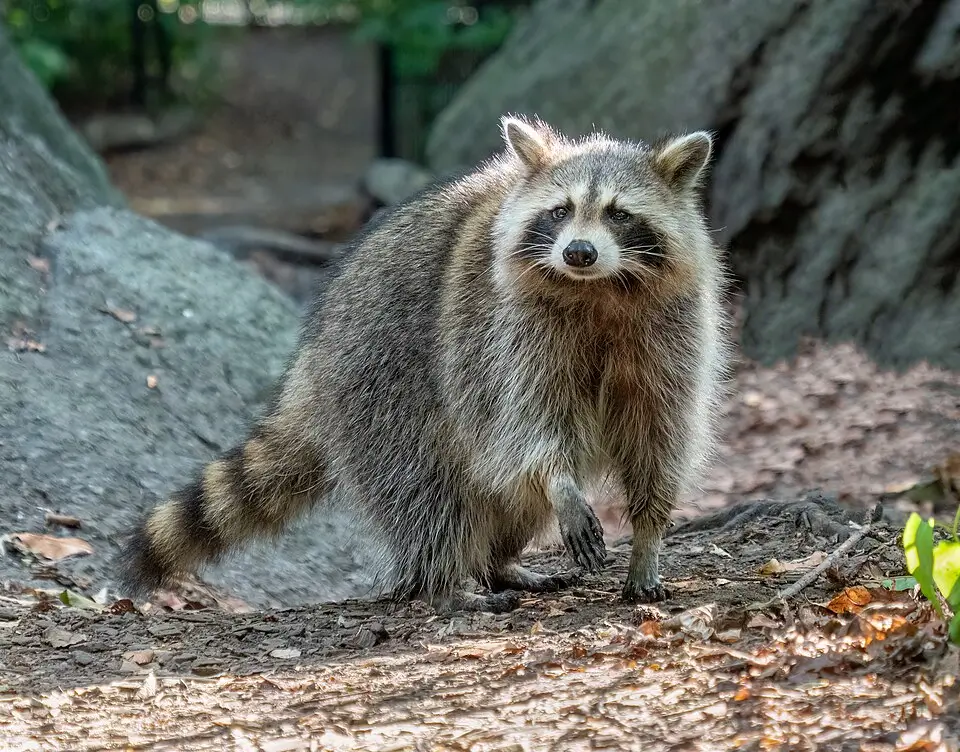
The raccoon's most iconic physical feature is its black facial mask, a band of dark fur surrounding both eyes and contrasting sharply against the lighter fur of its cheeks and forehead. Scientists have proposed several theories for the function of this mask, including glare reduction for nocturnal vision and a role in intraspecies communication. Equally distinctive is the raccoon's bushy tail, marked by alternating rings of dark and lighter fur, which serves as an important identification feature in the field.
Raccoons are medium-sized mammals, typically robust and stocky in build. Their dense, grayish-brown fur provides excellent insulation against cold temperatures — a critical adaptation for surviving the long, harsh winters of states like Minnesota. The fur was historically highly prized in the North American fur trade, and coonskin caps became iconic symbols of frontier culture.
One of the raccoon's most celebrated anatomical features is its front paws. Extraordinarily dexterous, raccoon forepaws contain a high concentration of sensory nerve endings, giving the animal an acute sense of touch that rivals that of primates. This tactile sensitivity allows raccoons to identify objects with remarkable precision, and they are known to manipulate latches, open containers, and solve physical puzzles — behaviors that speak to their considerable intelligence. The raccoon's brain-to-body ratio is notable among North American mammals, and numerous studies have demonstrated their capacity for memory and problem-solving.
Raccoons are true omnivores, consuming an extraordinarily wide variety of foods. Their diet shifts seasonally and geographically, encompassing fruits, nuts, berries, insects, crayfish, frogs, fish, bird eggs, small mammals, and virtually any edible human refuse they encounter. This dietary flexibility is one of the primary reasons raccoons have thrived even as human development has dramatically altered the North American landscape.
The raccoon is primarily nocturnal, though it is not uncommon to observe individuals active during daylight hours, particularly in late summer and autumn when food resources are abundant and animals are building fat reserves for winter. Unlike true hibernators, raccoons do not enter a state of deep hibernation. Instead, they experience periods of torpor during the coldest stretches of winter, retreating to dens in hollow trees, rock crevices, or abandoned burrows and relying on accumulated fat reserves until warmer weather and food availability return.
Raccoons are generally solitary animals, though females may tolerate the company of their young through the first year of life. Mating typically occurs in late winter or early spring, and after a gestation period of approximately 63 days, females give birth to litters of two to five young, known as kits. The kits are born blind and helpless but develop rapidly, beginning to explore outside the den within a few weeks and accompanying their mother on foraging expeditions by late summer.
Habitat & Range
The raccoon enjoys one of the broadest geographic ranges of any North American mammal. Originally found throughout most of the contiguous United States, southern Canada, and Central America, raccoon populations have expanded their range significantly over the past century, aided in large part by the species' adaptability to human-modified environments. Raccoons have also been introduced to parts of Europe and Asia, where they have established feral populations.
Within their native range, raccoons show a strong preference for wooded areas near water. Deciduous and mixed forests adjacent to streams, rivers, ponds, and lakes provide ideal habitat, offering both shelter and a diverse food supply. The raccoon's association with aquatic environments is well established — their habit of foraging along shorelines and in shallow water for invertebrates, fish, and amphibians is one of their most characteristic behaviors and likely the origin of their "washing" reputation.
Minnesota provides exceptional raccoon habitat across much of the state. The state's vast network of lakes, rivers, wetlands, and forested lands creates the perfect mosaic of environments that raccoons exploit so effectively. From the hardwood forests of the southeast to the mixed forests and lake country of the north, raccoons find ample food, water, and den sites. Even the agricultural landscapes of southern and western Minnesota support healthy raccoon populations, as grain fields, wetland corridors, and farmstead shelterbelts provide reliable food and cover.
Raccoons are highly adaptable to suburban and urban environments as well. Cities and towns across Minnesota, from the Twin Cities metropolitan area to smaller communities throughout the state, host significant raccoon populations that have learned to exploit the food and shelter resources that human habitation provides.
Hunting Information
Raccoon hunting is a cherished tradition across much of North America, with deep roots in American frontier culture and rural heritage. The sport holds a particularly storied place in the Midwest, where generations of hunters have pursued raccoons with hounds on cool autumn and winter nights, an experience that combines the skills of dog handling, woodsmanship, and marksmanship in a uniquely immersive form of hunting.
Traditional raccoon hunting is almost always conducted at night, reflecting the raccoon's nocturnal habits. Hunters typically work with specially bred and trained hounds — breeds such as Bluetick Coonhounds, Treeing Walker Coonhounds, and Black and Tan Coonhounds — whose exceptional noses allow them to track and tree raccoons in the dark. The distinctive baying of a good coonhound working a track is one of the most evocative sounds in American hunting tradition, and the bond between hunter and hound is central to the culture of the sport.
Once a raccoon is treed by the dogs, hunters close in with lights and firearms — typically .22 caliber rifles or small-bore shotguns — to harvest the animal. The raccoon's thick, warm fur has long been valued, and its meat, while not universally popular, is enjoyed by many hunters and is a traditional ingredient in regional American cuisine.
In Minnesota, raccoon hunting opportunities exist within the context of the state's broader wildlife management framework. The Minnesota Department of Natural Resources (DNR) oversees the management of furbearing animals, including raccoons. However, specific season dates, license requirements, and bag limits for raccoon hunting in Minnesota were not available in the source data consulted for this article. Hunters planning to pursue raccoons in Minnesota are strongly encouraged to consult the Minnesota DNR's official website or contact the agency directly for current, accurate regulations before heading afield. Regulations can change from year to year and vary by zone or region within the state.
Raccoons may also be taken through trapping in Minnesota, and this method has its own dedicated community of practitioners who value the skills of trap placement, set construction, and fur handling that are central to the trapping tradition.
Conservation
The raccoon is currently one of the most abundant medium-sized mammals in North America and is not considered a species of conservation concern at the continental level. Its remarkable adaptability, high reproductive rate, and ability to thrive in a wide range of environments — including heavily modified human landscapes — have allowed it to maintain robust populations even as many other wildlife species have faced significant pressures.
Regulated hunting and trapping play a positive role in raccoon population management, helping to maintain healthy, balanced wildlife communities. In agricultural areas, well-managed raccoon populations reduce conflicts with farming operations. Wildlife managers use harvest data from hunters and trappers as a valuable tool for monitoring population trends and adjusting regulations as needed.
Raccoons do serve as a reservoir host for several wildlife diseases, including rabies and canine distemper, which wildlife managers monitor carefully. Responsible handling practices — wearing gloves when field dressing animals and proper disposal of carcass materials — are important habits for hunters and trappers to maintain.
Minnesota's rich network of public lands, state forests, wildlife management areas, and the extensive private lands enrolled in conservation programs provide abundant, high-quality habitat supporting healthy raccoon populations well into the future.