Overview
Few waterfowl species carry the mystique and storied tradition of the American black duck (Anas rubripes). Often called the "black mallard" or simply "black duck" by experienced waterfowlers, this species occupies a special place in the hearts of duck hunters and wildlife enthusiasts across North America. At first glance, the American black duck might seem like an unremarkable bird — after all, its name implies a rather plain appearance — but this species is anything but ordinary. It is a bird of resilience, adaptability, and ecological significance, one that has shaped the culture and tradition of waterfowl hunting in the eastern half of the continent for generations.
The American black duck is a member of the family Anatidae, the broad grouping that includes all ducks, geese, and swans. Within this family, it belongs to the genus Anas, which encompasses many of the world's most familiar dabbling ducks, including the mallard (Anas platyrhynchos). The black duck's close relationship with the mallard is one of the most fascinating biological stories in North American ornithology, raising questions about hybridization, genetic integrity, and species identity that scientists continue to study today.
For hunters, birders, and conservationists alike, understanding the American black duck — its biology, behavior, habitat preferences, and population dynamics — is essential for appreciating this species and ensuring its future. This article explores the many dimensions of the American black duck, from its physical characteristics and life history to its importance in the hunting culture of states like Minnesota and across the broader landscape of North America.
Biological Traits
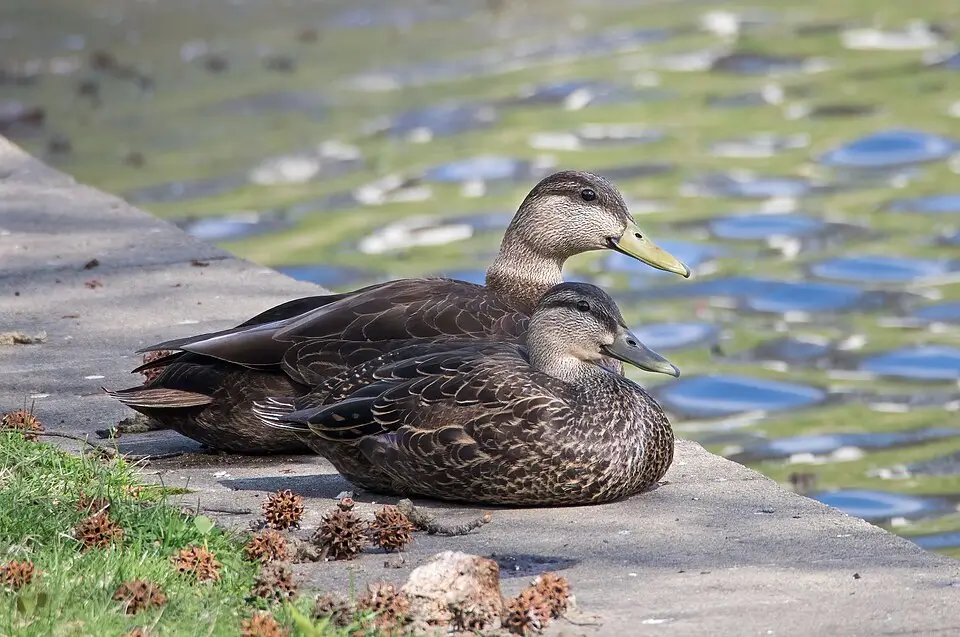
The American black duck is a large dabbling duck, comparable in size to the mallard, with which it shares many behavioral and morphological traits. The species is sexually dimorphic, though not dramatically so compared to many other ducks. Both males (drakes) and females (hens) display dark sooty-brown to blackish-brown body plumage, which gives the species its common name. When the bird is observed in flight or at close range, the speculum — the iridescent patch on the secondary wing feathers — is revealed to be a vivid violet-blue bordered by black, a beautiful detail that sets it apart from the otherwise subdued coloration of its body.
One of the most reliable ways to distinguish between the sexes is by bill color. Drakes typically sport a bright yellow bill, while hens tend to have a more olive-green or dull greenish bill. Both sexes have pale buff or grayish facial feathering that contrasts with the darker body, giving the bird a somewhat two-toned appearance when viewed up close. The legs and feet are typically orange-red to reddish in color.
The American black duck is classified as a dabbling duck, meaning it feeds primarily at or near the surface of the water rather than diving. Like other dabblers, it tips forward in shallow water to reach submerged aquatic vegetation, seeds, invertebrates, and other food items. This feeding strategy makes it highly dependent on shallow wetlands, marshes, and coastal areas where food resources are accessible without deep diving.
In terms of reproduction, the American black duck is a ground-nesting species. Hens typically select nesting sites in dense vegetation near water, laying clutches of six to twelve eggs. Incubation lasts approximately 26 to 29 days, and the hen alone is responsible for incubating the eggs and brooding the ducklings. Like other precocial waterfowl, black duck chicks are mobile and capable of feeding themselves shortly after hatching, though they remain under the hen's watchful care for several weeks.
One of the most scientifically intriguing aspects of this species is its relationship with the mallard. The two species are closely related and hybridize readily where their ranges overlap. The offspring of black duck-mallard crosses, known colloquially as "hybrid ducks," are fertile and can breed further with either parent species. This hybridization has been a subject of significant scientific and conservation interest, as the expansion of the mallard's range eastward — partly facilitated by human landscape changes — has increased the frequency of these hybridization events. Understanding the long-term genetic implications of this dynamic continues to be an active area of research.
Habitat & Range
The American black duck is primarily an eastern North American species, with its breeding range concentrated in the northeastern United States and eastern Canada. The species breeds across a broad swath of habitat from the Atlantic coast westward through the Great Lakes region and northward into the boreal forests and tundra edges of Quebec, Labrador, and Ontario. It is a bird that thrives in diverse wetland habitats, from freshwater marshes and forested swamps to coastal salt marshes and estuaries.
During migration and winter, American black ducks disperse southward and toward the Atlantic coast. Significant wintering populations occur along the Atlantic seaboard, from New England south to the Carolinas and beyond. Coastal marshes, bays, tidal flats, and river estuaries serve as critical wintering habitat, providing both food resources and shelter from harsh winter conditions.
In Minnesota — a state renowned for its extraordinary wetland resources and aptly known as the "Land of 10,000 Lakes" — the American black duck is considered a migrant and occasional breeder. Minnesota's vast network of lakes, marshes, rivers, and wetlands provides suitable stopover habitat for black ducks moving through during spring and fall migration. The state's more than 14,420 lakes, along with extensive wetland complexes in the northern and eastern portions of the state, create valuable habitat corridors for migrating waterfowl. While the black duck is not as numerous in Minnesota as species like the mallard or blue-winged teal, it is a notable component of the fall waterfowl migration through the region.
The eastern and northeastern portions of Minnesota, where boreal forest and wetland habitats are most prevalent, are the areas where black ducks are most likely to be encountered. The species' preference for wooded wetlands and dense emergent marshes aligns well with the habitat found in much of northern Minnesota, particularly in areas adjacent to the Boundary Waters Canoe Area Wilderness and the extensive wetlands of the northern lake country.
Hunting Information
The American black duck holds a distinguished place in the traditions of North American waterfowl hunting. It is widely regarded as one of the most challenging and rewarding quarry available to duck hunters. Known for its wariness and sharp instincts, the black duck has earned a reputation as one of the most difficult ducks to decoy and harvest, which only adds to its allure among seasoned waterfowlers.
Hunting the American black duck requires patience, skill, and an intimate knowledge of the bird's behavior and habitat preferences. Because black ducks are notoriously cautious and quick to detect irregularities in decoy spreads or calling sequences, many hunters consider fooling a mature black duck to be a genuine test of their craft. The species' tendency to loaf in dense marsh vegetation and wooded wetlands means that hunters must often adapt their setups and strategies to fit tighter, more challenging environments than those typical of open-water mallard hunting.
In Minnesota, waterfowl hunting is managed and regulated by the Minnesota Department of Natural Resources (DNR) in coordination with federal frameworks established by the U.S. Fish and Wildlife Service. Hunters pursuing ducks in Minnesota are required to obtain the appropriate state hunting license and federal duck stamp, as is standard across the United States. Because specific season dates, bag limits, and regulations for the American black duck in Minnesota can change from year to year based on population assessments and federal guidelines, hunters are strongly encouraged to consult the current Minnesota DNR waterfowl hunting regulations before heading afield. Up-to-date regulations are available directly from the Minnesota DNR and ensure that hunters remain in compliance while contributing to the long-term sustainability of the species.
For hunters who encounter black ducks during Minnesota's waterfowl season, the experience is often memorable. The bird's dark plumage can make identification challenging in low light, particularly when distinguishing it from female mallards or hybrid birds. Developing sharp identification skills is both a legal necessity — to remain within bag limit rules — and a mark of a knowledgeable waterfowler.
Traditional decoy spreads for black ducks often favor a more restrained setup compared to the large spreads used for open-water mallard hunting. Because black ducks are wary birds, realistic decoys in modest numbers, combined with subtle and judicious calling, tend to be more effective than aggressive high-volume calling or oversized spreads. Many experienced hunters note that black ducks respond well to confident, understated calling rather than the loud and persistent volleys that can work for other species.
Conservation
The conservation story of the American black duck is one of ongoing effort and cautious optimism. Historically, the species was among the most abundant waterfowl in eastern North America, supporting substantial hunting harvests along the Atlantic Flyway and beyond. Over the course of the twentieth century, however, population numbers declined, prompting concern from wildlife managers, hunters, and conservationists.
The factors contributing to the black duck's population challenges are multifaceted. Habitat loss — particularly the degradation and drainage of freshwater and coastal wetland habitats — has reduced the availability of critical breeding, migration, and wintering areas. Additionally, the aforementioned hybridization with mallards has raised questions about the long-term genetic integrity of the species, though the full implications of hybridization on population health remain a subject of active scientific investigation.
Conservation efforts on behalf of the American black duck have involved a combination of habitat protection and restoration, harvest management through carefully regulated hunting seasons, and ongoing population monitoring. Organizations such as Ducks Unlimited have invested significantly in the protection and restoration of wetland habitats throughout the black duck's range, recognizing that healthy wetland ecosystems benefit not only the black duck but the full suite of waterfowl species that depend on these environments.
In Minnesota, the broader commitment to wetland conservation embodied by programs like the North American Wetlands Conservation Act has helped preserve and enhance the wetland complexes that support migrating black ducks and other waterfowl. The state's rich tradition of conservation — rooted in its identity as the "Land of 10,000 Lakes" — continues to provide a strong foundation for wildlife stewardship efforts.
Hunters play a meaningful role in black duck conservation as well. Through the purchase of federal duck stamps and participation in conservation-focused organizations, waterfowlers contribute directly to the funding of habitat protection and restoration programs. This connection between hunting and conservation is one of the defining features of North American wildlife management and remains a vital pillar of the effort to sustain the American black duck for future generations.