Overview
Few mammals embody the wild, water-rich character of North America quite like the American mink (Neogale vison). Sleek, swift, and supremely adapted to life along streams, rivers, lakes, and marshes, the American mink is a small but formidable predator that has long fascinated naturalists, trappers, and outdoor enthusiasts alike. With its rich, glossy fur and elusive nature, the mink has played a significant role in North American natural history, the continent's fur trade legacy, and the modern wildlife landscape.
In a state like Minnesota — famously known as the "Land of 10,000 Lakes," with more than 14,000 lakes scattered across its terrain — the American mink finds an almost ideal home. The state's vast network of waterways, wetlands, and forested shorelines provides exactly the kind of habitat where this semi-aquatic mustelid thrives. For hunters, trappers, anglers, and casual wildlife watchers exploring Minnesota's outdoors, encountering a mink darting along a riverbank or peering out from a tangle of roots can be one of the most memorable moments of a day afield.
This article takes a comprehensive look at the American mink: its biology, where it lives, how it is hunted and trapped, and its conservation status in the modern era.
Biological Traits
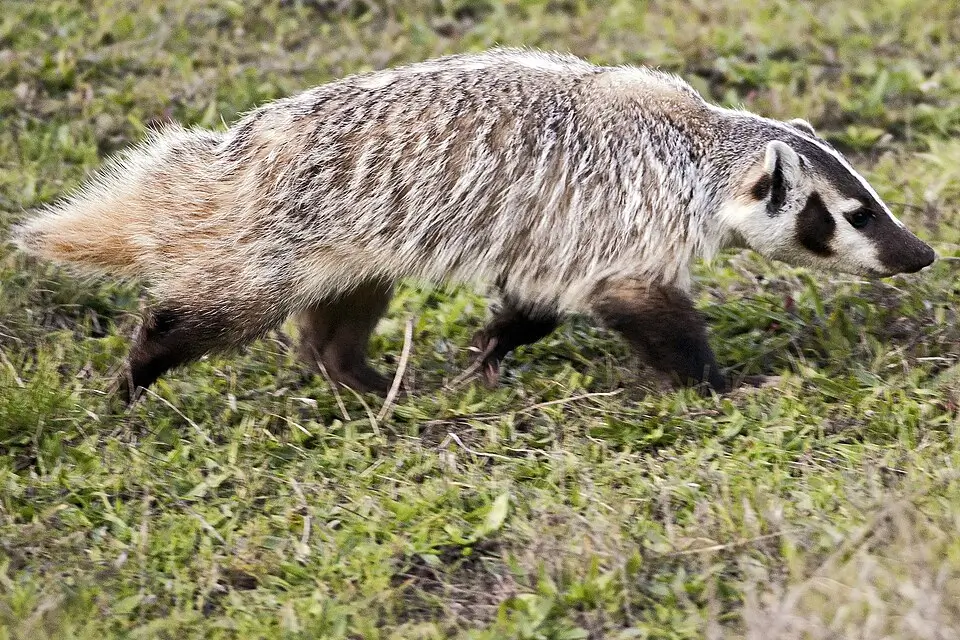
The American mink is a member of the family Mustelidae, which also includes weasels, otters, fishers, martens, ferrets, badgers, and wolverines. For many years, the species was classified under the genus Mustela, but recent taxonomic revisions based on genetic research have placed it in the genus Neogale, giving us its current scientific name, Neogale vison.
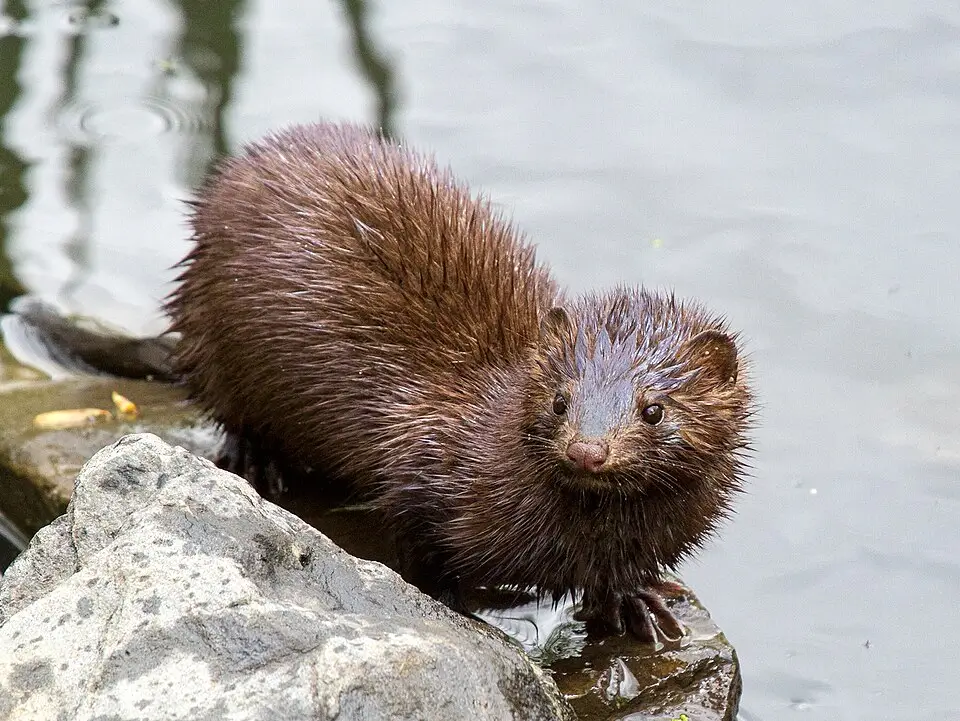
Mink are characterized by a long, slender, low-slung body — a body plan shared with their weasel relatives. This serpentine build allows them to slip easily into burrows, hollow logs, root tangles, and rock crevices in pursuit of prey. Adult mink typically have a body length ranging from roughly a foot and a half to just over two feet, including the bushy tail, with males generally being noticeably larger and heavier than females. This sexual size dimorphism is common throughout the mustelid family.
The fur of the American mink is one of its most distinctive features. Wild mink are typically a deep, lustrous chocolate brown, often appearing nearly black when wet. A small white patch is commonly found on the chin, and some individuals have additional small white markings on the chest or belly. The fur is dense and oily, providing excellent insulation in cold water — a critical adaptation for an animal that hunts in icy rivers and lakes throughout the winter.
Mink possess partially webbed feet that aid in swimming, sharp claws for climbing and digging, and powerful jaws armed with the carnassial teeth typical of carnivores. Their senses of sight, smell, and hearing are all keen, and they rely on a combination of stealth and explosive speed to catch prey.
As carnivores, American mink are opportunistic hunters with a broad diet. They feed on fish, frogs, crayfish, aquatic invertebrates, small mammals such as muskrats, voles, and mice, as well as birds, eggs, and the occasional snake. Their willingness to hunt both in water and on land makes them remarkably versatile predators.
Mink are largely solitary outside of the breeding season, and they maintain home ranges that often follow the linear contours of waterways. Males typically have larger territories than females, and individuals will scent-mark their ranges using musk produced by anal glands — a trait shared with skunks and other mustelids. Breeding occurs in late winter to early spring, and females give birth to litters of kits in dens that may be located in old muskrat burrows, hollow logs, or beneath overhanging banks. The young are born blind and helpless but grow rapidly, becoming independent within a few months.
Habitat & Range
The American mink is native to North America and has one of the broadest distributions of any mustelid on the continent. Its range extends from Alaska and much of Canada southward through nearly all of the contiguous United States, with the exception of the most arid portions of the American Southwest. Through accidental and intentional releases from fur farms, mink have also established feral populations in parts of Europe, South America, and Asia.
Mink are almost always found in close association with water. They favor the edges of rivers, streams, lakes, ponds, marshes, swamps, and coastal estuaries. Dense vegetation, undercut banks, woody debris, and rocky shorelines provide cover, denning sites, and hunting opportunities. Mink are highly mobile within their territories, traveling along shorelines and crossing land between waterbodies as needed.
In Minnesota, the American mink finds abundant habitat. With more than 14,000 lakes, countless miles of rivers and streams, and extensive wetlands ranging from the boreal forests of the north to the prairie pothole region of the west and south, the state offers nearly endless mink-friendly terrain. Areas along the Mississippi, St. Croix, and Minnesota Rivers, as well as the wetlands of the Boundary Waters region, are particularly well suited to mink populations. The state's cold winters pose no problem for this dense-furred species, which remains active year-round, often leaving distinctive tracks along snowy banks and across frozen waterways.
Hunting Information
The American mink has a long and important history in the North American fur trade, and it remains a furbearer of interest to trappers across much of its range, including in Minnesota. Because specific Minnesota season dates, license requirements, and regulations were not included in the source data for this article, hunters and trappers should always consult the most current Minnesota Department of Natural Resources (DNR) regulations before pursuing mink. Furbearer seasons, bag limits, legal methods, and licensing requirements can change from year to year, and the DNR is the authoritative source for accurate information.
In general, mink in North America are pursued primarily by trappers rather than hunters with firearms, due to the animal's small size, secretive habits, and waterside lifestyle. Traditional trapping methods include foothold traps and body-gripping traps set along waterways, near den sites, or along the travel corridors that mink habitually use. Trappers often look for signs such as tracks in mud or snow, scat, and slide marks where mink enter or exit the water. Sets are commonly made at the mouths of small streams, around beaver lodges and muskrat houses, beneath overhanging banks, and at culverts and bridges.
Ethical trapping practices emphasize respect for the resource, selective harvest, humane methods, and adherence to all applicable laws and regulations. Trappers contribute valuable data to wildlife agencies through harvest reports, which help biologists monitor furbearer populations over time. Pelts taken in winter, when fur is at its prime, have traditionally been the most valuable, although the fur market fluctuates considerably from year to year.
For anyone new to mink trapping in Minnesota, joining a local trappers' association, taking a state-approved trapper education course, and learning from experienced mentors are excellent ways to gain skill while ensuring that the tradition is practiced responsibly.
Conservation
The American mink is currently considered a species of Least Concern by the International Union for Conservation of Nature (IUCN), reflecting its broad distribution, large overall population, and adaptability to a wide range of aquatic habitats. Unlike some specialized mustelids, the American mink has proven resilient in the face of habitat changes and continues to occupy nearly all of its historic range in North America.
Nonetheless, mink populations are sensitive to certain environmental pressures. Because mink sit relatively high in the aquatic food chain, they can accumulate contaminants such as mercury and persistent organic pollutants present in fish and other prey. Wetland drainage, water pollution, and shoreline development can also reduce habitat quality in some areas. Conversely, the spread of beavers and the restoration of wetlands in many regions have created additional habitat that benefits mink.
In Minnesota, ongoing wetland protection efforts, water quality initiatives, and sustainable furbearer management all contribute to maintaining healthy mink populations. Regulated trapping, supported by scientific monitoring, has long been compatible with thriving mink numbers across the state and the broader North American range.
For wildlife enthusiasts, the American mink remains one of the most rewarding species to observe in the wild. A flash of dark fur along a stream bank, a sleek shape diving into a beaver pond, or a set of small tracks pressed into fresh snow — each is a reminder that this remarkable little predator is still very much a part of Minnesota's wild legacy.