Overview
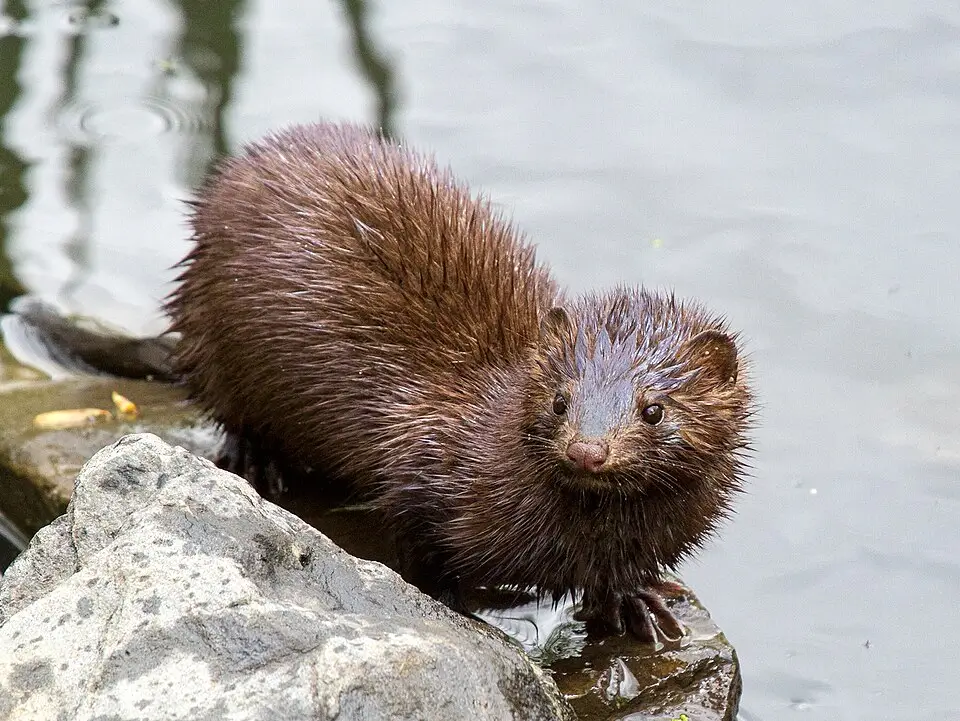
Few animals in North America command as much respect for their tenacity, adaptability, and raw digging power as the American badger (Taxidea taxus). A member of the family Mustelidae — the same family that includes otters, weasels, wolverines, and minks — the American badger is a stocky, powerful predator that has carved out a distinctive ecological niche across the continent's open landscapes. Whether you encounter one in the rolling prairies of the Great Plains, the scrublands of the American Southwest, or the agricultural fields of the Upper Midwest, the American badger leaves an unmistakable impression.
In Minnesota, a state celebrated for its extraordinary natural diversity — from boreal forests in the north to tallgrass prairies in the southwest — the American badger represents a fascinating piece of the native wildlife mosaic. The "Land of 10,000 Lakes," as Minnesota is widely known, supports a remarkable variety of wildlife across its roughly 87,000 square miles, and the American badger thrives in its open, well-drained habitats. For wildlife enthusiasts, naturalists, hunters, and outdoor adventurers alike, understanding this remarkable animal is both a pleasure and a responsibility.
This article explores the biology, behavior, habitat preferences, and conservation status of the American badger, with particular attention to its presence in Minnesota and what hunters and wildlife observers should know before heading into the field.
Biological Traits
The American badger is classified under the order Carnivora and the family Mustelidae, placing it among some of North America's most capable and resourceful predators. The scientific name Taxidea taxus reflects its taxonomic distinctiveness — it is the only species in the genus Taxidea and stands apart from its Old World badger relatives (genus Meles) by significant evolutionary distance.
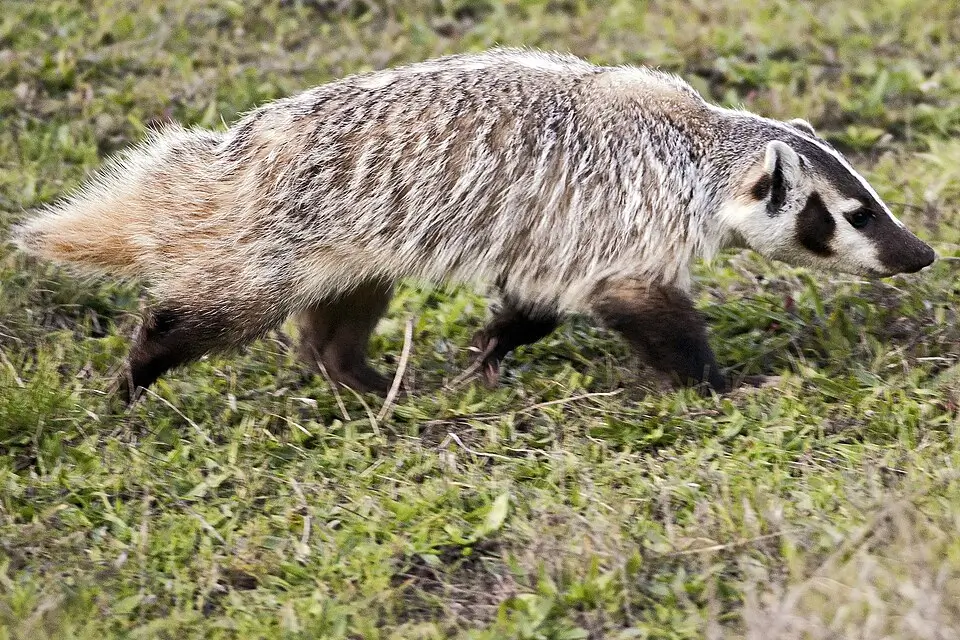
Physically, the American badger is unmistakable. It is a low-slung, broad-bodied animal with a flattened profile ideally suited for life underground and in burrows. Its body is covered in coarse, grizzled fur that typically ranges from grayish-brown to reddish-brown on the back and sides, with a creamy or yellowish-white underside. The face is boldly patterned, featuring the iconic white stripe that runs from the nose, over the top of the head, and down toward the neck — a marking so distinctive that it has made the badger one of the most visually recognizable mammals in North America.
The badger's most celebrated physical attributes are its powerful forelimbs and long, curved claws. These formidable tools make the badger one of the most efficient diggers in the animal kingdom. It can excavate a burrow faster than a human with a shovel, pursuing burrowing prey like ground squirrels, prairie dogs, and pocket gophers through the soil with remarkable speed and determination. The forelimbs are heavily muscled, the claws are built for leverage and penetration, and the entire skeletal structure of the badger is adapted for the stresses of digging through compacted earth.
The American badger is primarily nocturnal, though it is also frequently active at dawn and dusk (crepuscular behavior), and daytime sightings are not uncommon, particularly during the warmer months when prey is abundant. Unlike true hibernators, badgers in northern climates like Minnesota enter a state of torpor during the coldest winter months, significantly reducing their activity and metabolic rate. They rely on fat reserves built up during the productive summer and fall seasons, retreating to deep burrows insulated against the harsh northern cold.
Badgers are solitary animals for much of the year, coming together only during the breeding season, which typically occurs in late summer or early fall. A fascinating aspect of badger reproduction is delayed implantation — after fertilization, the development of the embryo is suspended for several months, with actual gestation resuming in late winter. Cubs, typically numbering between one and five, are born in spring within the security of a well-constructed burrow.
As carnivores, American badgers feed primarily on small to medium-sized burrowing mammals. Ground squirrels, pocket gophers, prairie dogs, voles, mice, and ground-nesting birds and their eggs round out the diet. Badgers have also been documented engaging in cooperative hunting partnerships with coyotes — one of the most fascinating interspecies hunting behaviors observed in North American wildlife. The coyote flushes prey above ground while the badger pursues it below, and vice versa, creating a formidable dual-threat hunting team.
Badgers are equipped with a range of defensive adaptations. Their loose, tough skin makes them difficult to grab or injure, their powerful jaws are capable of delivering a serious bite, and they can emit a musky scent from their musk glands when threatened. Few predators routinely challenge a fully grown badger.
Habitat & Range
The American badger's range spans a broad swath of North America, from the southern portions of western Canada through the central and western United States and into northern Mexico. In the United States, badgers are most commonly associated with the open grasslands, prairies, and shrublands of the Great Plains and the West, where burrowing prey species are abundant and soils are loose enough for excavation.
In Minnesota, the American badger is found primarily in the western and southern portions of the state, where open agricultural lands, prairies, and grasslands provide suitable habitat. The glaciated landscapes of southwestern Minnesota — characterized by rolling, well-drained glacial till soils — are particularly favorable. Badgers are less commonly encountered in the heavily forested regions of northern and northeastern Minnesota, where dense tree cover and different soil compositions limit the availability of their preferred prey.
The badger's affinity for open country is closely tied to its hunting strategy. Wide-open spaces allow the badger to locate and excavate burrows of prey animals without the obstruction of heavy root systems or compacted, rocky soils. Agricultural areas — particularly those with ground squirrel or gopher populations — can support healthy badger numbers, as the cultivated, loose soils and abundant burrowing prey create favorable conditions.
Badger territories can be extensive, with individuals often patrolling and utilizing large home ranges in search of prey. They construct multiple burrow systems across their range, using them as temporary shelter, denning sites, and safe retreats when threatened. These burrows are also used by a wide variety of other wildlife species after the badger has moved on, making the badger an important ecosystem engineer.
Hunting Information
For hunters interested in American badger in Minnesota, it is important to approach this topic with accurate, up-to-date information. As of the writing of this article, specific season dates, licensing requirements, and official hunting regulations for American badger in Minnesota were not available in the source data consulted. Hunters are strongly encouraged to consult the Minnesota Department of Natural Resources (DNR) directly for the most current and authoritative regulations before pursuing any badger-related hunting or trapping activities.
Minnesota's wildlife regulations can change from year to year, and what applies to one season may differ from the next. The Minnesota DNR is the authoritative source for all licensing, season dates, bag limits, and legal methods of take for furbearers and non-game species within the state. Their official website and annual hunting and trapping regulation booklets provide the clearest and most legally binding guidance for hunters and trappers.
Historically, the American badger has been classified as a furbearer in many states where it is harvested, with trapping being the most common method of take. The pelt of the badger, with its distinctive coarse fur, has held value in the fur trade, and badger hair has been used in traditional applications such as shaving brush bristles. Whether badger hunting or trapping is currently authorized in Minnesota, and under what conditions, should be confirmed through official state channels.
Hunters and wildlife observers who spend time in badger country should be aware of the animal's behavioral characteristics. Their burrows — often recognizable by the large, elliptical entrance holes and mounds of excavated soil — are a telltale sign of badger activity. These burrows can present a hazard to horses and livestock, and can be disorienting for hikers unfamiliar with the terrain.
Conservation
The American badger is currently listed as a species of Least Concern on the International Union for Conservation of Nature (IUCN) Red List, reflecting its broad range and generally stable population across much of its core habitat. However, local and regional populations can face pressures from habitat loss, particularly the conversion of native grasslands and prairies to intensive agriculture or urban development. The reduction of prairie ecosystems across the Midwest has, over time, reduced available habitat for badgers and the prey species upon which they depend.
In Minnesota, as in other Upper Midwestern states, conservation of open grassland and prairie habitat is closely linked to the long-term prospects of badger populations. Programs that support native prairie restoration, Conservation Reserve Program (CRP) lands, and responsible land stewardship benefit not only badgers but the entire suite of grassland-associated wildlife species.
The badger's role as a predator of burrowing rodents gives it ecological importance beyond its individual population numbers. By controlling populations of ground squirrels, pocket gophers, and voles, badgers help maintain balance in grassland ecosystems. Their burrowing activity aerates soils, improves water infiltration, and creates habitat structures used by dozens of other species. In this sense, the American badger functions as both a predator and an ecosystem engineer of considerable value.
Roadway mortality is another documented challenge for badger populations, particularly in agricultural regions where roads bisect their home ranges. Badgers are not built for speed on open ground, and vehicle collisions are a recognized source of mortality for the species. Wildlife-friendly road design and reduced speed limits in badger-active areas have been proposed as mitigation strategies in some regions.
Public awareness and appreciation for the American badger remain important conservation tools. The more that hunters, farmers, naturalists, and outdoor enthusiasts understand and value this remarkable animal, the more likely local populations are to receive the informal stewardship and habitat consideration they need to thrive.
Conclusion
The American badger is a creature of extraordinary capability, perfectly adapted to the open landscapes of North America's heartland. From its powerful digging anatomy to its complex reproductive biology, its cooperative hunting partnerships with coyotes, and its critical role as an ecosystem engineer, Taxidea taxus is far more than just an interesting animal to spot in a field. It is a cornerstone species of grassland ecosystems, a furbearer of historical and contemporary relevance, and a symbol of the wild character that makes Minnesota and the broader American landscape so worth protecting.
Whether you are a hunter researching your next season, a naturalist hoping to spot one at dawn in the southwestern prairie, or simply a curious reader drawn to the remarkable diversity of North American wildlife, the American badger rewards attention and respect. Take the time to learn its habits, protect its habitat, and follow all applicable regulations — and the American badger will remain a living, thriving part of Minnesota's outdoor heritage for generations to come.