Overview
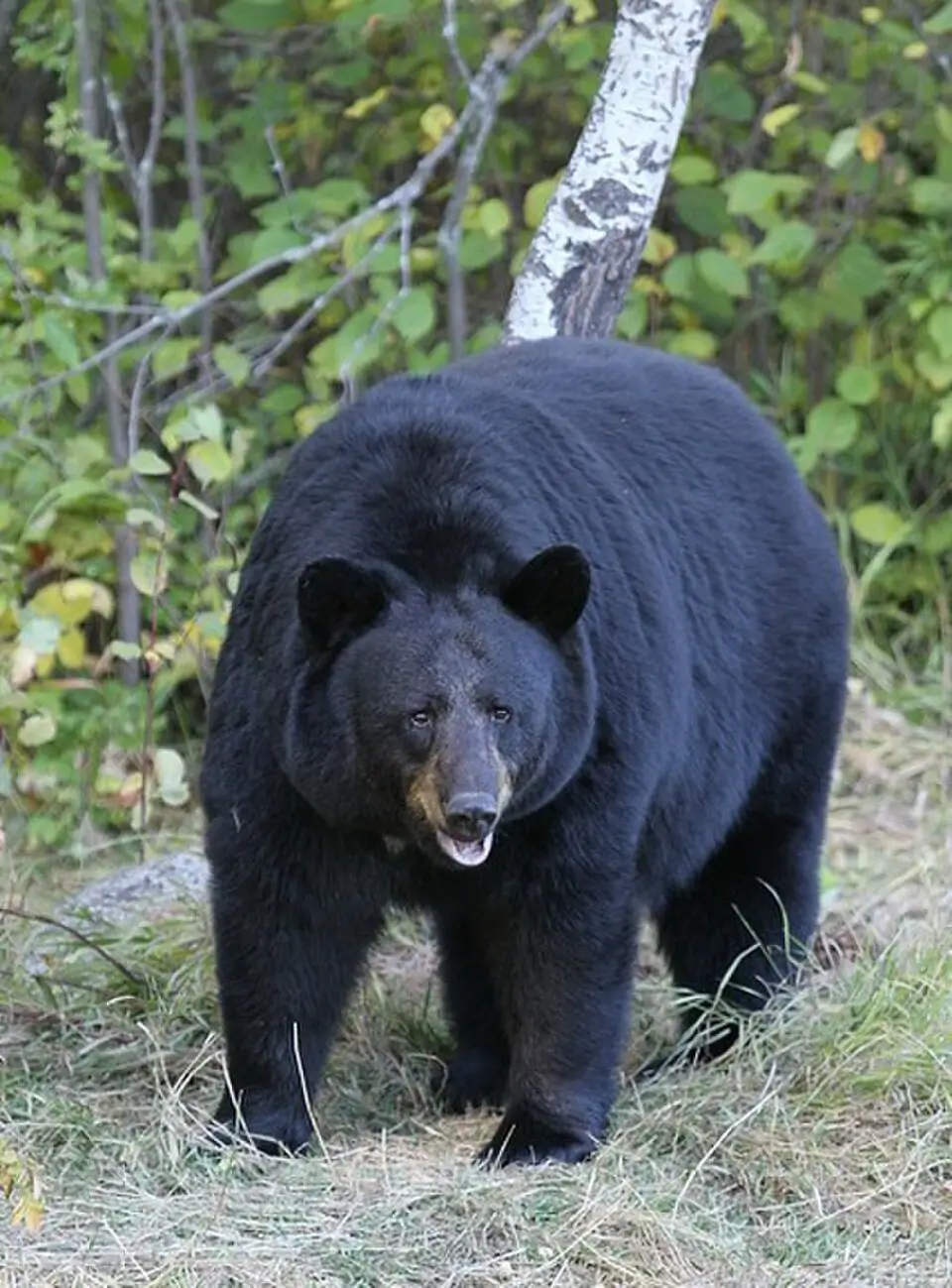
Few animals capture the imagination of the American wilderness quite like the black bear. Powerful, intelligent, and surprisingly adaptable, the American black bear (Ursus americanus) is the most widely distributed bear species on the continent and one of the most iconic symbols of wild North America. From the dense boreal forests of Canada to the swamps of Florida and the mountain ranges of the American West, this remarkable animal has carved out a presence across an extraordinary range of environments.
In Minnesota — a state celebrated for its sprawling forests, pristine lakes, and rich natural heritage — the American black bear holds a place of special significance. The North Star State's vast stretches of northern woodland provide ideal habitat for black bears, and the species plays an important role in the ecological balance of Minnesota's wilderness. Whether you are a wildlife enthusiast hoping to catch a glimpse of one in the wild, a hunter seeking an exciting and challenging pursuit, or simply a curious reader wanting to learn more about one of North America's great mammals, understanding the American black bear is a richly rewarding endeavor.
This guide explores the biology, behavior, habitat, hunting traditions, and conservation status of Ursus americanus, with a particular focus on its presence in Minnesota.
Biological Traits
The American black bear is a member of the family Ursidae, the bear family, and is classified under the order Carnivora — though in practice, black bears are highly omnivorous and consume a diet that consists largely of plant material. The species belongs to the genus Ursus, which it shares with the brown bear (Ursus arctos) and the polar bear (Ursus maritimus), making it a close relative of some of the most formidable predators on the planet.
Despite its name, the American black bear displays a surprising range of coat colors. While black is the most common coloration in the eastern United States, individuals in western regions may be brown, cinnamon, or even blond. In certain parts of the Pacific Coast, a rare blue-gray variant known as the "glacier bear" has been documented, and in the coastal areas of British Columbia, a cream-colored morph called the "spirit bear" or Kermode bear exists. This remarkable color variation has sometimes led to confusion in the field, but the species' physical structure, behavior, and range typically allow for reliable identification.
In terms of size, black bears are sexually dimorphic, meaning males are significantly larger than females. Adult males, known as boars, generally weigh between 130 and 500 pounds, though exceptionally large individuals have been recorded at even greater weights. Adult females, called sows, are considerably smaller. Black bears have a robust, compact body, a relatively short and inconspicuous tail, rounded ears, and small eyes. Their claws are shorter and more curved than those of grizzly bears, making them adept climbers — a skill that young bears use frequently to escape predators and that adults employ when foraging for food in trees.
One of the most fascinating biological traits of the American black bear is its capacity for winter dormancy, commonly referred to as hibernation. During the cold months, black bears enter a state of torpor in which their body temperature drops slightly, their heart rate slows dramatically, and they cease eating, drinking, and eliminating waste for months at a time. Unlike true hibernators such as ground squirrels, bears can be roused from torpor relatively quickly if disturbed. Female bears famously give birth during this dormancy period, nursing cubs in the warmth of the den while still in a semi-conscious state. Litters typically consist of one to three cubs, which are born remarkably small and helpless — weighing less than a pound at birth — but grow rapidly on their mother's rich milk.
Black bears are generally solitary animals, with the exception of mothers raising cubs and the brief interactions that occur during the mating season in early summer. They are known to be highly intelligent, with excellent long-term memory — particularly for food sources — and strong problem-solving abilities. Their sense of smell is extraordinary, estimated to be seven times more powerful than that of a bloodhound, allowing them to detect food from remarkable distances.
Habitat & Range
The American black bear boasts the broadest distribution of any bear species in the world. Its range extends across much of North America, from the forests of Alaska and Canada south through the contiguous United States and into northern Mexico. The species is found in 40 of the 50 U.S. states, making it by far the most geographically widespread bear in the country.
Black bears are highly adaptable in their habitat preferences, occupying temperate rainforests, boreal forests, deciduous woodlands, swamps, shrublands, and even suburban fringes in some regions. They tend to favor areas with dense cover for security and a diverse abundance of food sources, including berries, nuts, insects, small mammals, fish, and carrion.
Minnesota is ideally situated within the heart of black bear country. As one of the most forested states in the Upper Midwest, Minnesota offers extensive tracts of northern boreal and mixed hardwood-conifer forest that provide the cover, denning sites, and food resources that black bears require. The northeastern corner of the state — a region dominated by the Boundary Waters Canoe Area Wilderness, the Superior National Forest, and the Northwoods landscape — is especially important bear habitat. Minnesota's abundance of water features, including its famous 14,420 lakes, wetlands, and river corridors, further enhances the quality of habitat available to bears, supporting rich populations of aquatic and terrestrial food resources.
Bears in Minnesota, as elsewhere in their range, rely heavily on seasonal food availability to build up the fat reserves necessary for winter dormancy. Spring sees bears emerging from their dens hungry and searching for early green vegetation, insects, and carrion. Summer brings an abundance of berries, soft mast, and insects. In fall, bears enter a period of intense feeding known as hyperphagia, during which they may consume tens of thousands of calories per day in an effort to maximize fat reserves before denning.
Hunting Information
The American black bear is a prized game animal across North America, and Minnesota has a well-established tradition of black bear hunting. The state's robust bear population and expansive forested habitat make it one of the premier destinations in the Midwest for black bear hunters.
Black bear hunting in Minnesota is regulated and managed by the Minnesota Department of Natural Resources (DNR), which oversees the permit system, season structure, and harvest quotas designed to ensure the long-term health of the bear population. Because the source data available for this article does not include specific current season dates, license fees, or permit quotas, readers are strongly encouraged to consult the Minnesota DNR's official website or contact the agency directly for the most up-to-date and accurate hunting regulations. Regulations can change from year to year based on population surveys and management goals, so verifying current information before planning a hunt is essential.
Generally speaking, black bear hunting in Minnesota involves the use of bait stations, hunting over bait being one of the most commonly practiced and effective methods for encountering bears in the dense forested terrain of the Northwoods. Hunters may also pursue bears with the aid of hounds, a traditional and challenging method that tests the skill of both hunter and dog. Stand hunting and spot-and-stalk approaches are additional options, though the thick cover of northern Minnesota can make spotting bears at range a significant challenge.
For those new to black bear hunting, the experience is often described as both thrilling and humbling. Bears are highly attuned to their environment, possess extraordinary olfactory senses, and can be surprisingly cautious animals in areas with hunting pressure. Success in the field requires patience, careful preparation, and a deep respect for the quarry. Many hunters pursue black bears not only for the challenge and the high-quality, lean wild game meat they provide, but also as an immersive experience in some of Minnesota's most spectacular wild landscapes.
Conservation
The conservation story of the American black bear is, in many respects, a genuine success. After facing significant population declines in the late 19th and early 20th centuries due to habitat loss and unregulated hunting, black bear populations across North America have rebounded substantially thanks to coordinated conservation efforts, improved land management practices, and carefully regulated harvest programs.
Today, black bears are classified as a species of "Least Concern" by the International Union for Conservation of Nature (IUCN), reflecting their healthy and stable populations across a wide range. Regulated hunting, far from being a threat to bear populations, has played an important role in their conservation by generating funding for wildlife management programs and incentivizing the preservation of wild lands. In many states, including Minnesota, hunting license and permit revenues are directly invested in wildlife research, habitat conservation, and population monitoring.
Minnesota's black bear population is considered healthy, and the Minnesota DNR actively monitors bear numbers and habitat conditions to guide management decisions. Human-bear interactions, particularly in communities near bear habitat, are an ongoing management focus, with wildlife managers working to educate the public about coexistence strategies and responsible behavior around bears.
The future of the American black bear in Minnesota and across the continent looks bright. With continued commitment to science-based wildlife management, habitat conservation, and public stewardship, this remarkable species will continue to thrive as a cornerstone of North American wilderness for generations to come.