Overview
Few animals have shaped the North American landscape as profoundly as the North American beaver (Castor canadensis). Often called nature's engineer, this large, semi-aquatic rodent has been busy reshaping streams, wetlands, and forests across the continent for millions of years. From the boreal forests of Canada to the deserts of the American Southwest, the beaver's distinctive lodges, dams, and felled trees mark its presence as clearly as any signature.
In Minnesota, the "Land of 10,000 Lakes," beavers find an almost ideal home. With abundant freshwater, extensive wetlands, and forested watersheds, the state offers some of the finest beaver habitat anywhere on the continent. The species has played a central role in Minnesota's natural and cultural history—from its importance in the early fur trade to its modern role as a keystone species supporting biodiversity in countless aquatic ecosystems.
This article explores the biology, habitat, and management of the North American beaver, with particular attention to its place in the Minnesota landscape. Whether you are a trapper, an angler, a wildlife watcher, or simply curious about one of the most ecologically influential mammals in North America, the beaver is a species worth knowing.
Biological Traits
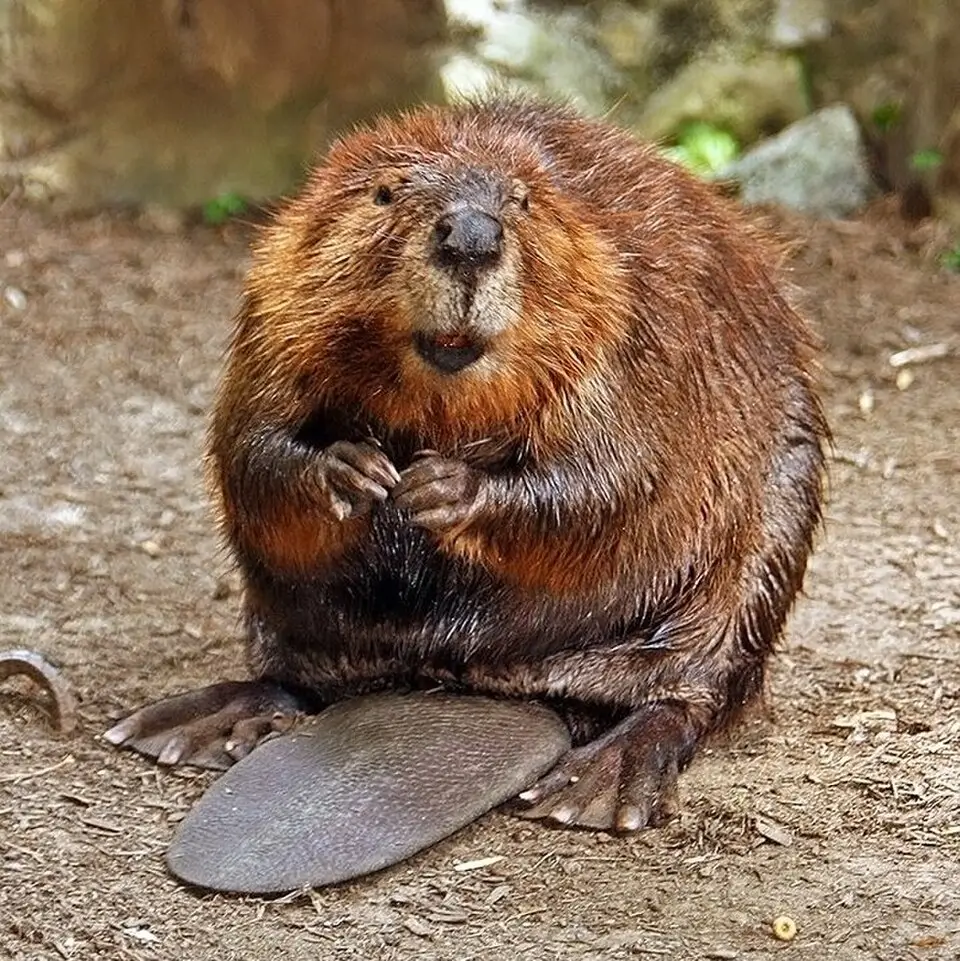
The North American beaver is the largest rodent native to North America and the second-largest rodent in the world, surpassed only by the South American capybara. Adult beavers typically weigh between 35 and 65 pounds, though exceptional individuals can grow even larger. Their stocky, barrel-shaped bodies are perfectly adapted for an aquatic lifestyle.
Key physical characteristics include:
- Dense, waterproof fur: The beaver's coat consists of two layers—a soft, insulating underfur and longer guard hairs. This combination keeps the animal warm even in the icy waters of a Minnesota winter. The fur's quality made beaver pelts among the most prized commodities of the historic North American fur trade.
- Paddle-shaped tail: The flat, scaly tail is one of the beaver's most recognizable features. It serves multiple purposes: a rudder while swimming, a prop while gnawing on trees, a fat-storage reserve, and a temperature regulator. Beavers also slap their tails on the water as an alarm signal.
- Webbed hind feet: Large, webbed rear feet propel the beaver through the water, while the smaller front paws are dexterous enough to manipulate sticks, mud, and food items.
- Continuously growing incisors: Like all rodents, beavers possess ever-growing incisor teeth. Theirs are reinforced with iron, giving them a characteristic orange color and the strength to chew through hardwood trees.
- Nictitating membranes and valved ears/nostrils: Transparent third eyelids protect the beaver's eyes underwater, while valves seal the ears and nose during dives. Beavers can remain submerged for impressive lengths of time on a single breath.
Beavers are herbivores, feeding on the inner bark (cambium) of trees such as aspen, willow, birch, cottonwood, and maple, as well as aquatic plants, leaves, twigs, and roots. They are famous for caching food underwater near their lodges, allowing them to access nourishment beneath the ice throughout the long northern winter.
Socially, beavers live in family groups called colonies, typically consisting of an adult breeding pair, the current year's kits, and yearlings from the previous litter. They are monogamous and long-lived for rodents, with individuals sometimes reaching 10 years or more in the wild. Kits are born in spring, fully furred and able to swim within days. As yearlings, they often help raise their younger siblings before dispersing to establish their own territories at around two years of age.
Habitat & Range
The North American beaver's range is among the broadest of any mammal on the continent. It occurs from the tree line of northern Canada and Alaska south through nearly all of the contiguous United States and into northern Mexico. Wherever there is fresh water bordered by woody vegetation, beavers can usually thrive.
Their preferred habitats include:
- Streams and small rivers suitable for damming
- Ponds, lakes, and reservoirs where lodges can be constructed
- Marshes, swamps, and wetland complexes
- Beaver-created impoundments, which often persist as productive wetlands long after the original colony has moved on
Minnesota provides an exceptional mosaic of these habitats. With roughly 14,000 lakes, countless miles of streams, and vast tracts of forested wetlands, the state supports robust beaver populations from the prairie pothole country in the west to the boreal forests of the Boundary Waters and the hardwood landscapes of the south. The presence of preferred food trees like aspen and willow along these waterways further reinforces Minnesota's status as prime beaver country.
Beavers are ecosystem engineers of the highest order. By building dams, they create ponds and wetlands that benefit a remarkable diversity of other wildlife. Waterfowl, wading birds, amphibians, fish, moose, deer, and countless invertebrates all depend on or benefit from beaver-modified landscapes. Beaver wetlands also help recharge groundwater, filter sediment and pollutants, store carbon, and moderate the effects of drought and flooding. In Minnesota, beaver ponds frequently become hotspots for biodiversity, attracting everything from brook trout in cold-water streams to waterfowl on prairie wetlands.
Their lodges—dome-shaped structures of sticks and mud—provide secure shelter with underwater entrances that deter most predators. In larger lakes and rivers where dam-building is impractical, beavers may instead dig bank dens into the shoreline.
Hunting Information
Beavers have been pursued by humans for thousands of years, first by Indigenous peoples and later by European trappers whose demand for beaver fur drove much of the early exploration of North America. The historic fur trade left an indelible mark on the geography, economy, and cultural history of Minnesota, with rivers like the Mississippi, St. Croix, and Rainy serving as major routes for fur traders moving pelts to market.
Today, beavers in Minnesota are typically managed as a furbearer species. Trapping remains the primary method of harvest, as beavers' aquatic habits and nocturnal tendencies make traditional hunting less common. Trappers pursue beavers for their dense, durable fur, for their meat, and for the castoreum produced by their scent glands, which has historical uses in perfumery and traditional remedies.
Because regulations, seasons, license requirements, and harvest methods can change from year to year and vary by zone, anyone interested in pursuing beaver in Minnesota should consult the Minnesota Department of Natural Resources (DNR) for the most current and accurate information. The DNR publishes annual trapping regulations that cover legal methods, season dates, possession limits, tagging requirements, and reporting obligations. Following these rules is essential to ensuring legal, ethical, and sustainable harvest.
Ethical trappers and hunters also play a role in wildlife management. In areas where beaver activity causes conflicts—such as flooded roads, damaged timber, or compromised culverts—regulated harvest can help balance beaver populations with human land uses while still preserving the ecological benefits that beavers provide.
For newcomers interested in trapping beaver, the best approach is to:
- Take a state-approved trapper education course.
- Read the current Minnesota DNR trapping regulations carefully.
- Seek mentorship from an experienced trapper.
- Learn to identify beaver sign—lodges, dams, scent mounds, slides, and freshly cut trees.
- Use proper, humane equipment suited to aquatic furbearers.
Conservation
The conservation story of the North American beaver is one of the great wildlife recovery successes of the modern era. By the late 1800s, after roughly two centuries of intensive, largely unregulated fur trapping, beaver populations had been reduced to a small fraction of their historic numbers. In some regions, the species was extirpated entirely.
Through the twentieth century, however, a combination of regulated harvest, habitat protection, restoration programs, and reintroductions allowed beavers to recolonize much of their former range. Today the North American beaver is considered abundant across most of its distribution and is classified as a species of Least Concern globally.
In Minnesota, beavers are now widespread and play a vital role in wetland ecosystems. Modern conservation efforts focus less on preventing population decline and more on managing human-beaver coexistence. Tools like flow devices ("beaver deceivers"), fencing around valuable trees, and selective trapping in problem areas allow wildlife managers to maintain healthy populations while minimizing conflicts.
Looking forward, beavers are increasingly recognized as valuable allies in climate resilience and watershed restoration. Their dams help store water in droughts, slow runoff during heavy rain events, create firebreaks in dry regions, and restore degraded streams. Researchers and conservationists across North America are exploring ways to harness "beaver-based restoration" to improve water quality, support imperiled fish populations, and rebuild wetlands lost to historic drainage.
For Minnesota—a state defined by its waters—the continued health of beaver populations is intertwined with the health of the lakes, streams, and wetlands that give the state its identity. Whether observed from a canoe at dusk, tracked through fresh snow along a frozen creek, or pursued by a careful trapper in late autumn, the North American beaver remains one of the most fascinating and ecologically important mammals on the continent.