Overview
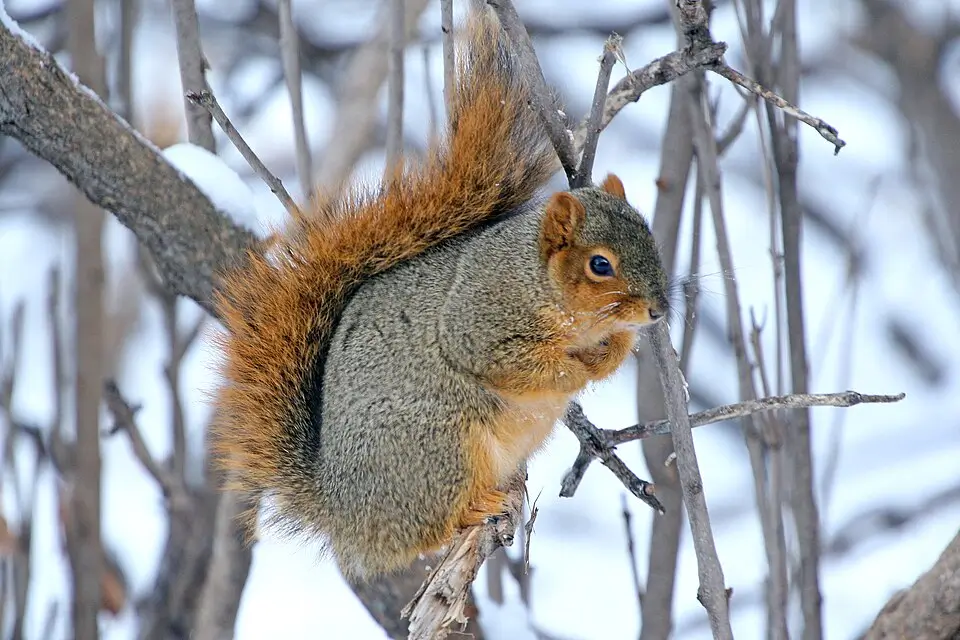
Among the many species of small game that inhabit the forests, woodlots, and river bottoms of North America, the fox squirrel (Sciurus niger) holds a special place in the hearts of hunters, naturalists, and backyard wildlife watchers alike. As the largest tree squirrel native to North America, the fox squirrel is a striking and adaptable rodent whose rusty-orange belly, bushy tail, and bold demeanor make it instantly recognizable wherever it occurs. From sun-dappled oak savannas in the Midwest to mature hardwood forests in the South, this species has thrived alongside human development, often becoming a familiar sight in parks, farmsteads, and rural neighborhoods.
For outdoor enthusiasts in Minnesota — a state celebrated for its abundant lakes, expansive forests, and rich hunting traditions — the fox squirrel represents an accessible, rewarding, and often overlooked quarry. Whether you are a seasoned hunter introducing a new generation to the sport, a wildlife photographer hoping to capture an elusive subject, or simply a curious observer interested in the natural history of your region, learning about the fox squirrel deepens an appreciation for the diverse wildlife that calls the Upper Midwest home.
This article explores the biology, habitat, hunting heritage, and conservation status of the fox squirrel, with particular consideration for what makes this species notable in a state like Minnesota.
Biological Traits
The fox squirrel, scientifically known as Sciurus niger, belongs to the family Sciuridae, which encompasses tree squirrels, ground squirrels, chipmunks, marmots, and prairie dogs. Within the genus Sciurus — the tree squirrels — the fox squirrel stands out for its impressive size. Adults typically weigh more than their close relative, the eastern gray squirrel (Sciurus carolinensis), and possess a noticeably longer, fuller tail that may have inspired the common name "fox squirrel," a nod to the bushy tail of the red fox.
Coloration in fox squirrels is remarkably variable. Across their range, individuals can appear in several distinct color phases. The most common pattern in the Midwest features a grizzled gray or brownish-gray back blending into a warm rusty-orange or cinnamon belly, cheeks, and tail edges. In some southern populations, fox squirrels can display strikingly different coats, including black with white markings on the face and ears. This variability has historically led to taxonomic confusion, but all forms are now recognized as a single species with multiple subspecies.
Fox squirrels are diurnal, meaning they are active during daylight hours, with peak activity typically occurring in the early morning and late afternoon. Unlike some rodents, they do not hibernate; instead, they remain active throughout the year, even in the depths of a Minnesota winter, when their thick fur and stored food caches allow them to weather harsh conditions.
Their diet is omnivorous but predominantly plant-based. Acorns, hickory nuts, walnuts, and other hard mast form the cornerstone of their nutrition, especially in autumn when squirrels engage in scatter-hoarding — burying individual nuts in scattered caches across their home range. This behavior plays an important ecological role, as forgotten caches contribute significantly to forest regeneration by germinating into new trees. Fox squirrels also consume tree buds, flowers, fruits, fungi, and occasionally insects, bird eggs, or other animal matter when the opportunity arises.
Reproduction generally occurs twice annually, with breeding peaks in winter and again in late spring or early summer. Litters typically consist of two to four young, born in leaf nests (dreys) high in trees or, more often, in tree cavities that provide superior insulation and protection from predators. Young squirrels are altricial — born hairless and blind — and depend heavily on the mother for several months before reaching independence.
Habitat & Range
The fox squirrel's range extends broadly across the eastern and central United States, reaching from the Atlantic seaboard west into the Great Plains and from the Gulf Coast northward into parts of southern Canada. Within this range, fox squirrels show a strong preference for open, mature woodlands dominated by oak and hickory, particularly forests with a relatively open understory. They thrive in landscapes that combine large hardwood trees for nesting and food production with adjacent grassy or agricultural areas where they can forage on the ground.
This habitat preference distinguishes fox squirrels from gray squirrels, which generally prefer denser, more continuous forest cover. Where the two species overlap, fox squirrels tend to dominate edge habitats — woodlots bordered by farmland, oak savannas, riparian corridors along rivers and streams, and parklike settings with scattered mature trees. Suburban neighborhoods with large, established trees and open lawns can also support thriving fox squirrel populations.
In Minnesota, fox squirrels are most commonly associated with the deciduous hardwood forests and oak savannas of the southern and central regions of the state. The mixture of agricultural land, river valleys, and remnant hardwood stands characteristic of much of southern Minnesota provides ideal conditions. The Mississippi, Minnesota, and St. Croix river corridors, along with their tributaries, offer extensive bottomland forest habitat that supports robust populations. As one moves toward the heavily forested, coniferous-dominated north, fox squirrels become less common, giving way to gray and red squirrels better suited to those landscapes.
Minnesota's "Land of 10,000 Lakes" reputation only hints at the diversity of its ecosystems. With more than 14,000 lakes, vast wetlands, prairie remnants, and mixed forests, the state supports an impressive variety of wildlife. The fox squirrel's adaptability — its willingness to inhabit woodland edges, farm woodlots, and even town parks — makes it a familiar sight throughout much of the state's hardwood country.
Hunting Information
Squirrel hunting is one of the oldest hunting traditions in North America. For generations, fox squirrels have served as a classic introductory quarry for young hunters, offering an accessible challenge that develops core skills such as patience, stealth, marksmanship, and woodsmanship. The fox squirrel's larger body size compared to the gray squirrel makes it a particularly rewarding small-game target, providing more meat per animal and a satisfying experience in the field.
Hunters typically pursue fox squirrels using one of several time-honored methods. Still-hunting — slowly moving through likely habitat while pausing frequently to watch and listen — is highly effective, as is sit-and-wait hunting near productive food sources such as oak or hickory trees dropping mast. In the autumn, the sound of nuts falling and squirrels rustling among leaves can guide hunters directly to feeding animals. Some hunters use specially trained squirrel dogs, particularly cur and feist breeds, which tree squirrels and bark to alert the hunter. Firearms commonly used include .22 rimfire rifles for precision and small-gauge shotguns for moving or canopy targets.
In Minnesota, fox squirrels are recognized as a small game species, and hunters interested in pursuing them should always consult the most current Minnesota Department of Natural Resources (DNR) regulations before heading afield. Specific season dates, bag limits, license requirements, and any zone or area-specific rules are set annually by state authorities and can change from year to year. Because detailed regulatory information was not part of the source data for this article, hunters are strongly encouraged to verify all current rules, license requirements, and season dates through the official Minnesota DNR website or licensed retailers before planning a hunt.
Fox squirrels offer excellent table fare. Their meat is lean, mild, and versatile, lending itself to traditional preparations such as squirrel and dumplings, slow-braised stews, or pan-fried portions. Many hunting families pass down recipes through generations, and squirrel hunting remains an important entry point into the broader culture of hunting, conservation, and self-sufficiency.
Conservation
The fox squirrel is generally considered a species of least concern across most of its broad range. Its adaptability to human-altered landscapes, willingness to use a variety of forested habitats, and high reproductive potential have allowed it to remain abundant where suitable habitat exists. In many states, including throughout much of the Midwest, fox squirrel populations are stable and well-managed through regulated hunting seasons that have been refined over decades of scientific monitoring.
That said, the species is not without local conservation challenges. Certain subspecies, particularly those with very restricted ranges in the eastern United States, have faced declines linked to habitat loss, forest fragmentation, and changes in land use. The conversion of mature hardwood forests, the loss of oak savanna and open woodland habitat, and the encroachment of dense understory growth where fire historically maintained open conditions have all contributed to localized population concerns.
In Minnesota, the conservation outlook for fox squirrels remains generally positive. Continued stewardship of hardwood forests, oak savannas, and riparian corridors supports not only fox squirrels but also a wealth of other wildlife, from songbirds to deer and wild turkeys. Regulated hunting is a key tool in wildlife management, with license revenues directly funding habitat conservation, research, and public education through the North American Model of Wildlife Conservation.
Landowners can support fox squirrel populations by maintaining and protecting mature mast-producing trees such as oaks, hickories, and walnuts, leaving den trees standing where safe, and managing edge habitats that combine forest with open foraging areas. Backyard observers can enjoy fox squirrels by providing trees, nest boxes, and undisturbed corners where these charismatic rodents can thrive.