Overview
Few animals capture the spirit of North American wildlands quite like the elk. Standing tall among the continent's most impressive megafauna, the elk (Cervus canadensis) is a creature that commands attention wherever it roams. Whether glimpsed at the edge of a misty meadow at dawn or heard bugling across a mountain valley in autumn, the elk is an iconic presence that has shaped the cultural, ecological, and recreational landscapes of North America for thousands of years.
From the high alpine meadows of the Rocky Mountains to the dense boreal forests of the northern United States and Canada, elk are a species deeply woven into the fabric of wilderness. They are among the largest members of the deer family, Cervidae, and represent one of the great success stories of North American wildlife management — a species that was once pushed to the brink by overhunting and habitat loss, only to be restored through decades of dedicated conservation work.
For hunters, wildlife watchers, and nature enthusiasts alike, the elk holds a special place. In states like Minnesota, where wild landscapes stretch across millions of acres and wildlife heritage runs deep, the elk carries both ecological significance and a powerful cultural resonance. This article explores the biology, habitat, hunting traditions, and conservation story of one of North America's most beloved large mammals.
Biological Traits
The elk, known scientifically as Cervus canadensis, is a member of the family Cervidae — the deer family — and is closely related to the red deer of Europe and Asia. The species name canadensis reflects the animal's strong association with the northern reaches of North America, though elk range far beyond Canada's borders.
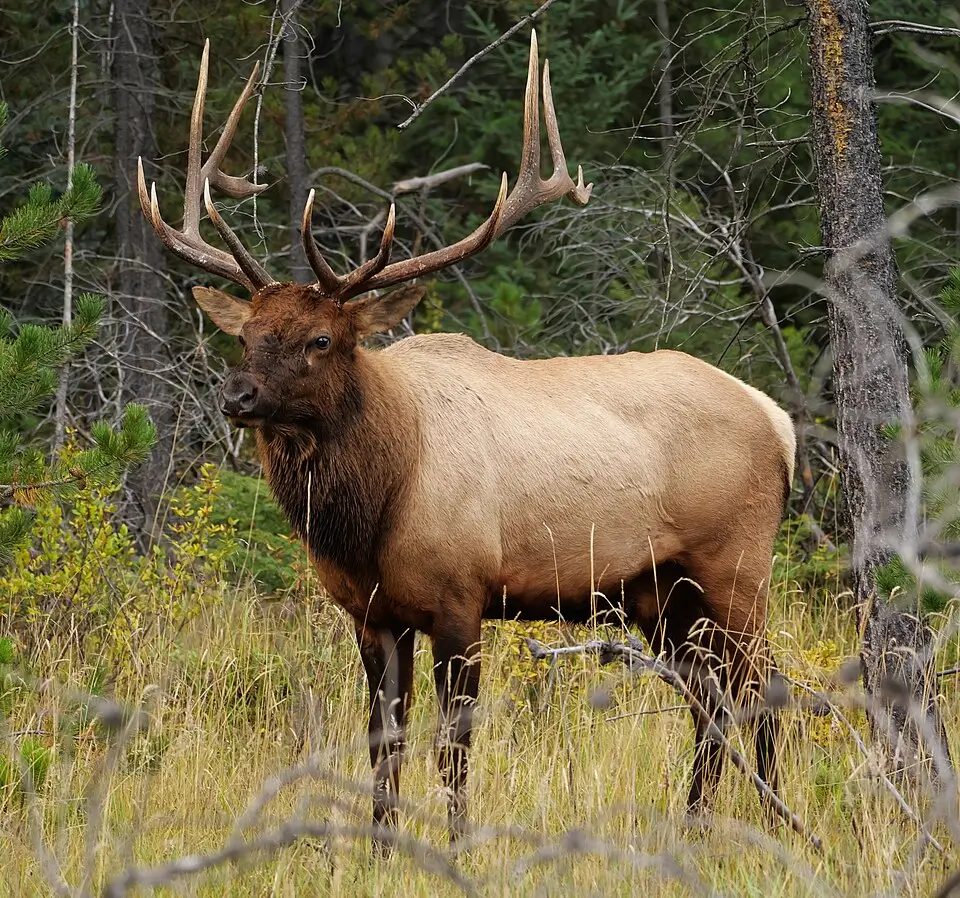
Elk are among the largest terrestrial animals in North America. Bulls, or male elk, are substantially larger than cows (females), a characteristic known as sexual dimorphism. Mature bulls can weigh anywhere from 700 to over 1,000 pounds and stand five feet or more at the shoulder, with their impressive antlers adding even more to their stature. Cows are more modestly sized, typically ranging from 400 to 600 pounds, but are still formidable animals in their own right.
One of the most celebrated features of the elk is the bull's antlers. Unlike horns, which are permanent structures, antlers are shed and regrown each year in a remarkable biological cycle. A mature bull's antlers can span up to four feet or more in width and may weigh upward of 40 pounds. During the growing season, antlers are covered in a soft, blood-rich tissue called velvet, which supplies nutrients and oxygen to the rapidly developing bone. By late summer, the velvet dries and is shed — often rubbed off against trees and shrubs — revealing the hardened, polished antlers that bulls will use during the autumn rut.
The rut, or breeding season, typically occurs in the fall and is one of nature's most dramatic spectacles. Bull elk engage in a distinctive vocalization known as bugling — a haunting, multi-note call that echoes across valleys and forests. Bugling serves to attract cows and to challenge rival bulls. During this period, bulls become intensely competitive and may engage in dramatic antler-clashing contests to establish dominance and secure breeding rights.
Elk are ruminants, meaning they have a specialized digestive system with multiple stomach chambers that allows them to efficiently process grasses, sedges, forbs, and woody browse. Their diet shifts seasonally — grazing on lush green vegetation in spring and summer and transitioning to bark, twigs, and dried grasses in winter when food resources are scarce. This dietary flexibility is one of the key reasons elk have been able to thrive across such a wide variety of habitats.
Elk are also notably social animals. Cows and calves typically live in herds, providing safety in numbers against predators. Bulls tend to be more solitary outside of the rut, though young bulls may form loose bachelor groups. Elk calves are born in late spring, usually as single births, and are spotted at birth — a trait that provides camouflage during their vulnerable early weeks. Within just days of birth, calves are strong enough to follow their mothers, and they grow rapidly through the summer months.
The average lifespan of a wild elk is around 10 to 13 years, though some individuals in protected environments have lived considerably longer. Natural predators include wolves, mountain lions, and bears, with wolves in particular playing a significant ecological role in regulating elk populations and behavior in areas where both species coexist.
Habitat & Range
Elk are highly adaptable animals capable of occupying a broad range of ecosystems. Historically, elk ranged across virtually all of North America, from the Atlantic Coast to the Pacific and from northern Canada into parts of Mexico. As European settlement expanded and habitat was converted to agriculture and urban development — and as unregulated hunting took a heavy toll — elk populations were dramatically reduced, and the species was extirpated from large portions of its former range.
Today, healthy elk populations are found primarily in the Rocky Mountain states and provinces, including Wyoming, Montana, Colorado, Idaho, and British Columbia, among others. Elk also occupy portions of the Pacific Northwest, the Great Plains, and pockets of the eastern and upper midwestern United States where reintroduction efforts have been successful.
In Minnesota, elk occupy a small but historically significant portion of the state's northwestern region. Minnesota's landscape — characterized by its famous lakes, extensive forests, prairies, and wetlands — once supported large elk herds before European settlement fundamentally altered the habitat and hunting pressure reduced populations to near zero. Through targeted conservation and management efforts, a small wild elk population persists in the state today, representing a living link to Minnesota's wild heritage.
Elk thrive in habitats that offer a mosaic of open meadows and grasslands for grazing combined with forested areas and dense cover for shelter and security. Elevational migration is common in many populations, with elk moving to higher elevations in summer to take advantage of lush alpine vegetation and descending to lower valleys in winter to escape deep snow and harsh conditions.
Hunting Information
Elk hunting is one of the most revered traditions in North American outdoor culture. The pursuit of a mature bull elk in wild terrain is widely regarded as among the most challenging and rewarding hunts a sportsman or sportswoman can undertake. Elk hunting demands physical fitness, skill, knowledge of the animal's behavior and habitat, and a deep respect for the natural world.
In states with established elk populations, hunting seasons are carefully managed by wildlife agencies to ensure sustainable harvest levels that do not compromise the long-term health of the herd. Hunters pursue elk through a variety of methods, including archery, muzzleloader, and modern firearm seasons, with each method offering a distinct experience and set of challenges.
Archery elk hunting — often conducted during the rut when bulls are bugling — is particularly prized. Getting within bow range of a wary bull elk requires exceptional woodsmanship, the ability to call effectively, and careful management of wind and scent. Rifle hunting later in the season presents its own challenges, as elk can cover vast distances and are often found in rugged, remote country.
In Minnesota specifically, elk are present in very limited numbers, and hunting opportunities, if any exist, are tightly regulated. Prospective hunters interested in pursuing elk in Minnesota should consult the Minnesota Department of Natural Resources (DNR) directly for the most current and accurate information regarding permits, seasons, and regulations. Given the small size of Minnesota's elk population, any available permits are likely to be extremely limited and highly sought after. Hunters are encouraged to stay informed through official DNR channels, as regulations can change from year to year in response to population data and management goals.
For those who cannot obtain an elk tag in Minnesota, many hunters pursue elk in western states through a combination of over-the-counter tags (where available) and limited draw systems. Hiring an outfitter or guide can be a valuable option for hunters unfamiliar with elk country, as local knowledge dramatically improves the odds of success.
Conservation
The story of elk conservation in North America is one of the most inspiring chapters in wildlife management history. By the late 19th and early 20th centuries, unregulated market hunting and widespread habitat destruction had reduced elk numbers from an estimated 10 million animals to fewer than 100,000. The species had been extirpated from the vast majority of its historic range, including nearly all of the eastern and midwestern United States.
The recovery of the American elk was made possible through a combination of protective legislation, the establishment of national parks and wildlife refuges, regulated hunting seasons, and ambitious reintroduction programs. Organizations such as the Rocky Mountain Elk Foundation have played a pivotal role in habitat conservation and elk restoration, working alongside state and federal wildlife agencies to protect and enhance elk habitat across the continent.
Today, elk populations across North America number in the hundreds of thousands, and the species occupies a growing portion of its historic range. Reintroduction programs have successfully established or reestablished elk herds in states including Minnesota, Kentucky, Michigan, Wisconsin, and Arkansas, among others.
In Minnesota, the presence of a wild elk herd — however small — is a testament to the value of sustained conservation investment and responsible wildlife management. Protecting and expanding Minnesota's elk population requires ongoing attention to habitat quality, management of human-wildlife conflicts, and carefully calibrated hunting regulations.
The elk also serves as a powerful umbrella species — meaning that conservation efforts aimed at protecting elk habitat benefit a wide array of other wildlife species that share the same landscapes. Preserving the wild places that elk need to thrive is, in the most direct sense, an investment in the health and biodiversity of North America's natural heritage.