Overview
Few animals are as deeply woven into the fabric of North American wildlife culture as the cottontail rabbit. Beloved by naturalists, backyard observers, and hunters alike, the cottontail is a creature of remarkable adaptability, ecological importance, and quiet charm. With its signature fluffy white tail, large expressive eyes, and quick, bounding gait, the cottontail rabbit has become one of the most iconic small mammals on the continent. Whether darting through a brushy fencerow at dusk, nibbling garden clover in the early morning light, or zigzagging across a frost-covered field ahead of a pack of beagles, the cottontail rabbit occupies a special place in the hearts of outdoor enthusiasts everywhere.
For hunters in states like Minnesota — a landscape defined by sprawling agricultural fields, dense woodlots, brushy creek bottoms, and a rich tradition of small game pursuits — the cottontail rabbit represents one of the most accessible, enjoyable, and rewarding quarry a hunter can pursue. This article takes an in-depth look at the cottontail rabbit, exploring its biology, habitat preferences, ecological role, hunting traditions, and conservation status.
Biological Traits
The cottontail rabbit belongs to the genus Sylvilagus, a diverse group of lagomorphs found throughout the Americas. The genus encompasses numerous species, each adapted to a specific range of habitats and climates, from the desert-dwelling desert cottontail of the American Southwest to the New England cottontail of the northeastern United States. The Eastern cottontail (Sylvilagus floridanus) is by far the most widespread and commonly encountered species across much of North America, and it is the species most hunters and wildlife watchers are likely to encounter in the Midwest, including Minnesota.
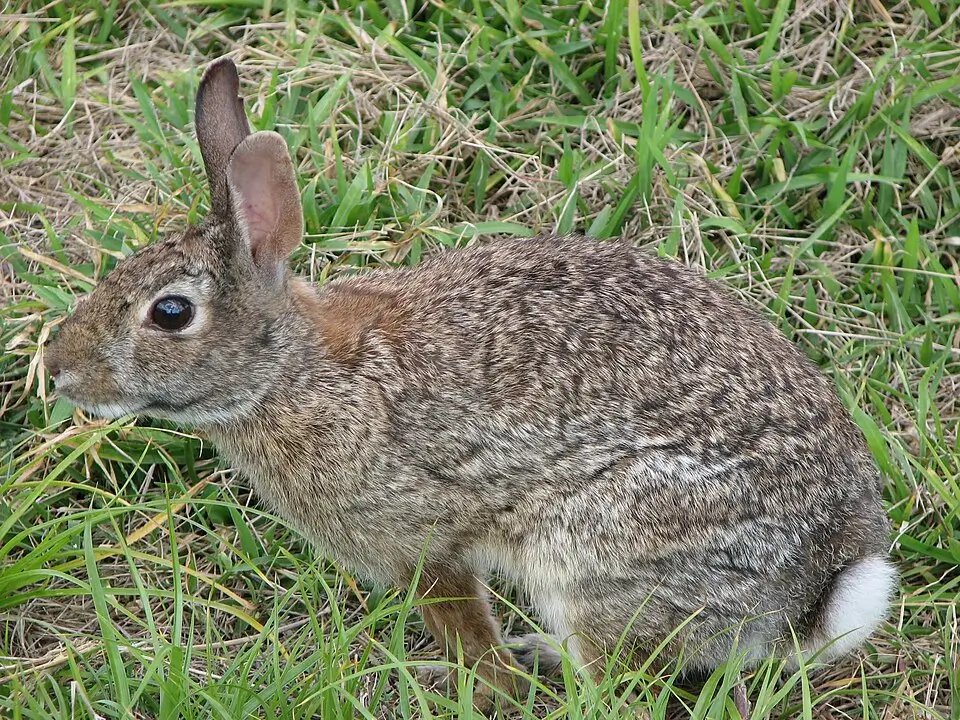
Cottontail rabbits are medium-sized mammals, typically weighing between two and four pounds, with a compact, muscular body built for explosive bursts of speed and agility. Their hind legs are noticeably longer and more powerful than their front legs, allowing them to achieve impressive speeds and execute the sharp, unpredictable turns that make them challenging targets in the field. Their large ears serve a dual purpose: they help the animal detect approaching predators from considerable distances, and they also play a role in thermoregulation, helping to dissipate heat.
The rabbit's coat is typically a rich brownish-gray on the back and sides, blending seamlessly with the leaf litter, grasses, and brush of their natural environment. The belly is white, and of course, the most distinctive feature is the short, puffy tail that gives the animal its common name — that unmistakable flash of white cotton that disappears into the underbrush. This white tail flash may serve as a visual signal to other rabbits, alerting them to the presence of danger.
Cottontails are lagomorphs, not rodents, a distinction worth noting. Unlike rodents, lagomorphs possess a second pair of small, peg-like incisors located directly behind the larger front incisors. Cottontails are also notable for practicing a behavior called cecotrophy — the consumption of specialized soft fecal pellets produced in the cecum, a section of the digestive tract. This behavior allows the rabbit to extract maximum nutrition from plant material, effectively digesting its food twice.
Cottontails are prolific breeders, a biological trait that underpins their importance as a prey species and their ability to sustain hunting pressure. A single female, or doe, can produce multiple litters per year, with each litter typically containing between three and eight young, called kittens or kits. The young are born helpless and blind in a shallow nest lined with grass and the mother's own fur. Within weeks, however, they develop rapidly and are soon capable of fending for themselves. This high reproductive rate helps cottontail populations recover quickly from predation, harsh winters, and hunting seasons.
Their senses are finely tuned for survival. In addition to their large ears, cottontails have wide-set eyes that provide a nearly panoramic field of vision, making it difficult for predators to approach undetected. Their sense of smell is also acute. Despite these defenses, cottontails have a relatively short lifespan in the wild — often less than two years — due to the relentless pressure from a wide array of predators including hawks, owls, foxes, coyotes, bobcats, and weasels.
Habitat & Range
The genus Sylvilagus is remarkably widespread across the Americas, with individual species occupying habitats ranging from tropical forests and desert scrublands to alpine meadows and suburban backyards. In North America, the Eastern cottontail is the dominant species across much of the continent, thriving wherever dense brush, edge habitat, and a reliable food supply come together.
Cottontails are quintessential edge-habitat animals. They thrive in the transitional zones where forests meet open fields, where overgrown fencerows border cropland, and where brushy creek bottoms give way to open pasture. They do not typically venture far from cover, relying on thick brush, briar patches, tall grass, and woody debris to escape predators. Thickets of multiflora rose, wild raspberry canes, overgrown ditches, and brushy field edges are all classic cottontail habitat.
In Minnesota, cottontail rabbits are found throughout much of the state, particularly in the southern and central regions where agricultural land, wooded edges, and brushy cover are abundant. Minnesota's diverse landscape — ranging from the fertile farmlands of the south to the dense forests of the north and the wetland complexes of the west — provides a wide variety of habitat types. While cottontails are less common in the heavily forested northern reaches of the state, they are a familiar presence in the agricultural landscape that dominates southern Minnesota, where brushy creek bottoms, overgrown fence lines, and weedy field edges provide ideal year-round cover and food.
Cottontail rabbits are herbivores, feeding on a wide variety of plant material. During the warmer months, they graze on grasses, clovers, wildflowers, garden vegetables, and a host of other green vegetation. In winter, they shift to woody browse, gnawing on the bark and twigs of shrubs and young trees. This dietary flexibility helps them survive the cold Minnesota winters when snow covers the ground and green vegetation is unavailable.
Hunting Information
Cottontail rabbit hunting is a cherished tradition across much of North America, and Minnesota is no exception. For many hunters, especially those who grew up in rural communities, chasing rabbits with a pack of beagles or walking through frosty fields with a shotgun in hand represents some of the most joyful and formative experiences in a hunting life. Rabbit hunting is often praised as an excellent way to introduce new and young hunters to the sport, offering plenty of action, relatively affordable equipment requirements, and a delicious, table-worthy quarry.
The most time-honored method of hunting cottontails involves the use of beagles. These small, tenacious hounds are bred specifically for following the scent trail of rabbits, and watching a pack of beagles work a brushy covert — noses down, tails wagging, voices ringing out across the winter landscape — is one of the great spectacles of the small game hunting world. The beagles push the rabbit in a circle, and the hunter positions themselves near the starting point, waiting for the rabbit to loop back. Shotguns in 12, 16, or 20 gauge are the traditional choice, with small shot sizes such as No. 6 or No. 7½ being popular selections.
Hunters without dogs can also be highly effective, simply walking through likely habitat and flushing rabbits from their forms — the shallow depressions in grass or brush where they rest during the day. Slow, deliberate walking with frequent pauses can cause nervous rabbits to bolt from cover. Dense brush piles, briar patches, and the weedy margins of crop fields are all excellent spots to focus attention.
For those interested in hunting cottontail rabbits in Minnesota specifically, it is strongly recommended to consult the Minnesota Department of Natural Resources (DNR) for the most current and accurate information regarding season dates, bag limits, licensing requirements, and any applicable regulations. Hunting regulations can change from year to year, and the Minnesota DNR is the definitive authority on all matters related to small game hunting in the state.
The cottontail rabbit is also a wonderful table fare animal. Rabbit meat is lean, mild, and versatile, lending itself to a wide range of preparations from slow-braised stews and hearty pot pies to simple pan-fried preparations. Many hunters consider a well-prepared cottontail one of the finest meals the field can provide.
Conservation
Despite facing constant predation pressure and significant habitat loss due to the intensification of agriculture and suburban development, cottontail rabbits as a group remain widespread and relatively abundant across much of their range. Their extraordinary reproductive capacity allows populations to rebound quickly from setbacks, and most wildlife managers consider the Eastern cottontail to be a species of low conservation concern at the continental level.
However, habitat quality is a critical factor in maintaining healthy local cottontail populations. The loss of brushy edge habitat, the removal of fencerows, the draining of wetland margins, and the conversion of diverse agricultural landscapes to monoculture crops have all contributed to declines in cottontail numbers in some areas. Conservation efforts that focus on maintaining and restoring edge habitat — planting shrubby borders, leaving brushy field margins, and managing lands for early successional vegetation — are highly beneficial to cottontails and the many other wildlife species that share their habitat.
In Minnesota, conservation organizations, wildlife agencies, and private landowners all play important roles in maintaining the habitat quality that supports healthy rabbit populations. Programs that incentivize habitat-friendly farming practices, such as the Conservation Reserve Program (CRP), have proven beneficial for cottontails and other grassland and edge-dependent species across the state.
Hunters themselves are an important part of cottontail conservation. Through the purchase of hunting licenses and the support of wildlife conservation organizations, hunters contribute financially to habitat protection and wildlife management programs that benefit the entire ecosystem.