Overview
Few animals command the imagination quite like the gray wolf. Revered in indigenous cultures, feared in folklore, and celebrated by wildlife biologists and conservationists alike, the wolf occupies a singular place in the natural and cultural history of North America. Known scientifically as Canis lupus, the gray wolf is the largest wild member of the family Canidae and one of the most studied, debated, and symbolically powerful animals on the planet. From the sweeping tundra of Alaska to the rugged mountain terrain of Wyoming and the greater Rocky Mountain West, the wolf's haunting howl continues to echo across wild landscapes — a sound that speaks to something deep and primal in the human spirit.
The story of the wolf in North America is one of dramatic rise, near-total collapse, and cautious resurgence. Once ranging across virtually the entire continent, wolf populations were systematically reduced throughout the 19th and 20th centuries. Today, thanks to landmark conservation efforts and shifting public attitudes, wolves are once again patrolling ecosystems where their presence had long been absent. Understanding this animal — its biology, its behavior, its ecological role, and its complicated relationship with human communities — is essential for anyone who spends time in wild places, whether as a hunter, a hiker, a rancher, or simply a lover of nature.
Biological Traits
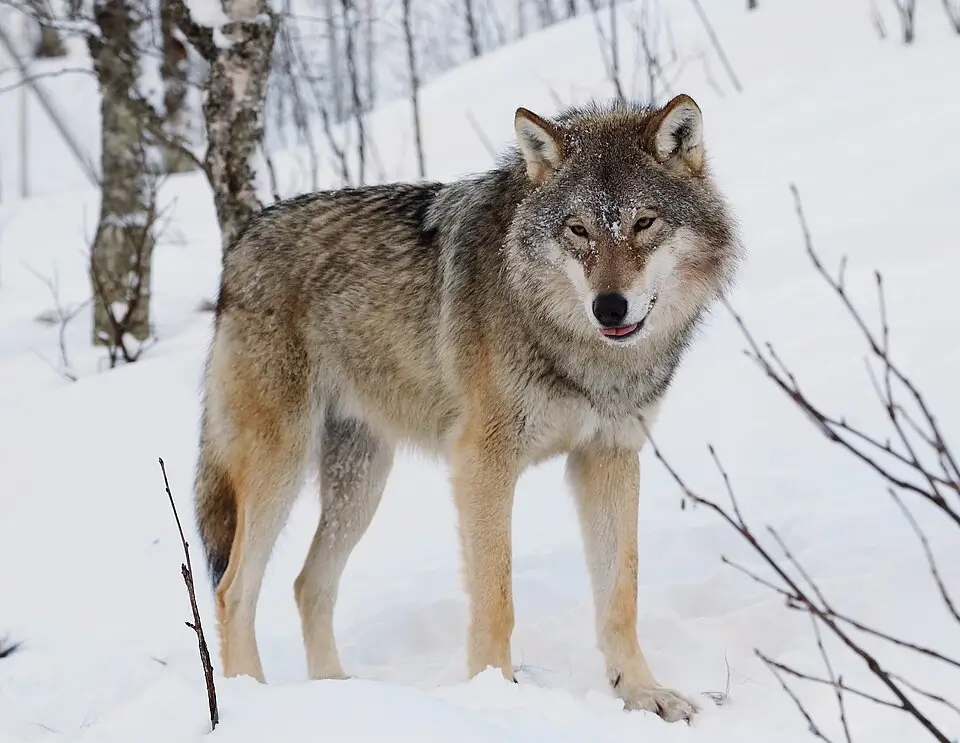
The gray wolf, Canis lupus, is a highly intelligent and adaptable predator built for endurance and cooperative hunting. As the largest member of the canid family, adult wolves are impressive in stature, though size can vary considerably depending on geographic location and subspecies. Wolves display a wide range of coat colors — from pure white in Arctic populations to jet black, various shades of gray, tawny brown, and mixed combinations thereof. This striking variation in coloration makes each individual wolf visually distinctive and contributes to the animal's iconic appearance across different landscapes.
Wolves are highly social animals, living and hunting within structured family units known as packs. A typical pack is built around a dominant breeding pair, often referred to as the alpha male and alpha female, along with their offspring from multiple years. Pack sizes can range from just a few individuals to more than a dozen, depending on prey availability and territorial pressures. This social structure is central to the wolf's survival strategy — cooperative hunting allows the pack to take down prey animals much larger than any single wolf could manage alone, including elk, moose, bison, and deer.
Communication within wolf packs is sophisticated and multifaceted. Wolves use vocalizations — including their famous howls, as well as barks, whines, and growls — along with body language and scent marking to coordinate movement, reinforce social bonds, establish territory, and convey emotional states. A wolf's howl can travel several miles under the right conditions, making it one of the most effective long-distance communication tools in the animal kingdom.
Wolves are also remarkable athletes. They are capable of traveling enormous distances in a single day, covering 30 miles or more when necessary. Their bodies are built for sustained effort: deep chests accommodate large lungs and a powerful heart, long legs provide efficient locomotion, and large, padded feet distribute weight effectively across varied terrain including snow. These physical adaptations make the wolf one of the most capable pursuit predators in North America.
Reproduction in wolves follows an annual cycle. Breeding typically occurs in late winter, with pups born in spring after a gestation period of approximately 63 days. Litters generally range from four to six pups, though larger litters are not uncommon. Pups are born blind and helpless but develop rapidly, and the entire pack participates in raising and provisioning the young. This cooperative pup-rearing behavior strengthens pack cohesion and ensures the survival of the next generation even when conditions are challenging.
Habitat & Range
The gray wolf is one of the most wide-ranging land mammals on Earth. Historically, Canis lupus occupied an enormous swath of territory across the Northern Hemisphere, spanning North America, Europe, Asia, and parts of the Middle East. In North America alone, wolves once ranged from the Arctic coast of Canada and Alaska south through virtually every ecosystem on the continent, including forests, grasslands, deserts, and mountain ranges.
Today, wolf populations in the lower 48 United States are concentrated primarily in the Northern Rocky Mountains, the Great Lakes region, and the Pacific Northwest. Wyoming, with its vast tracts of wild federal land including Yellowstone National Park, Grand Teton National Park, and surrounding national forests and wilderness areas, represents some of the most significant wolf habitat in the contiguous United States. The state's rugged mountains, river valleys, dense forests, and broad open plains provide the diverse terrain and abundant prey base that wolves require to thrive.
Wyoming sits at the heart of one of the most closely watched wildlife recovery stories of the modern era. The reintroduction of wolves to Yellowstone in the mid-1990s marked a turning point not just for wolf conservation, but for the science of ecology itself. The return of wolves to Yellowstone triggered what researchers describe as a "trophic cascade" — a chain reaction of ecological changes driven by the wolf's role as an apex predator. Elk behavior shifted, vegetation recovered in previously overgrazed areas, and the overall health and biodiversity of the ecosystem improved measurably. This phenomenon has been studied and cited extensively in ecological literature and stands as a powerful demonstration of the wolf's importance to healthy, functioning ecosystems.
Beyond Wyoming, wolves occupy a range of habitats across the broader Western United States, the Great Lakes states of Minnesota, Wisconsin, and Michigan, and into the vast wilderness of Canada and Alaska. Wolves are generalist predators with the flexibility to adapt to many different environments, provided they have access to sufficient prey and enough space to establish territories away from direct human conflict.
Hunting Information
When it comes to wolf hunting in Wyoming, it is important for hunters and outdoor enthusiasts to approach the subject with current, verified information from official regulatory sources. As of the writing of this article, specific season dates, licensing requirements, and harvest regulations for wolf hunting in Wyoming are not available in the source data referenced here. Wolf management in Wyoming — as in all states where wolves are present — is a dynamic and carefully regulated process that can change from year to year based on population assessments, federal oversight, and state wildlife management decisions.
Wyoming's wolf population exists within a management framework that reflects the state's unique position as home to some of the most important wolf habitat in the American West. Anyone interested in hunting wolves in Wyoming or any other state should consult directly with the Wyoming Game and Fish Department for the most up-to-date and accurate information on current regulations, season structures, licensing requirements, and any applicable federal protections that may be in effect. Regulations governing wolf hunting can shift significantly based on legal and conservation developments, making it essential to rely on official sources rather than secondhand information.
It is also worth noting that ethical and lawful hunting of predators, where permitted, plays a meaningful role in modern wildlife management. State game agencies work carefully to set harvest limits that support sustainable populations while also addressing legitimate concerns from agricultural communities and other stakeholders.
Conservation
The conservation story of the gray wolf is one of the most compelling in American wildlife history. After being nearly eradicated from the lower 48 states by the mid-20th century, wolves were listed under the Endangered Species Act, which provided critical federal protections and laid the groundwork for recovery efforts. The successful reintroduction of wolves to Yellowstone National Park and central Idaho in the 1990s is widely regarded as one of the landmark achievements of the American conservation movement.
Today, wolf populations in the Northern Rockies and Great Lakes regions have rebounded substantially from their historic lows. Conservation efforts have highlighted the wolf's irreplaceable role as a keystone species — an animal whose presence fundamentally shapes the ecosystems it inhabits. The ongoing management of wolf populations requires collaboration between federal agencies, state wildlife managers, ranching and agricultural communities, tribal nations, hunters, and conservation organizations. Wyoming, as one of the primary states in the wolf's recovered range, remains an important setting for these conversations.
The future of wolf conservation will depend on continued scientific monitoring, thoughtful wildlife management policies, and the ability of diverse stakeholders to find common ground on how best to coexist with one of North America's most powerful and ecologically vital predators.