Overview
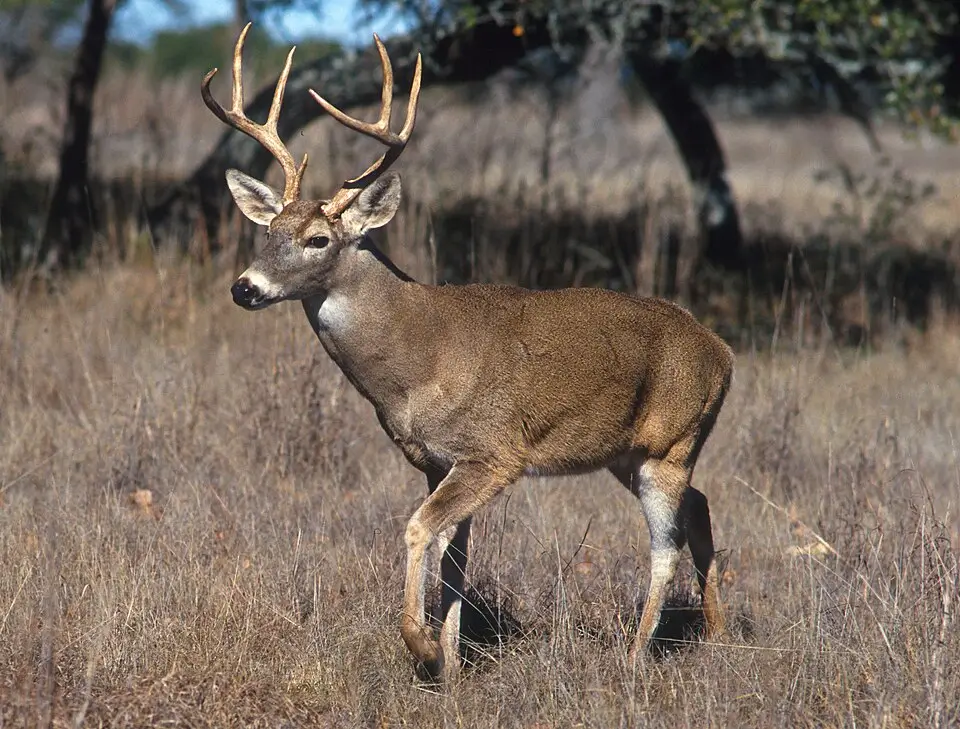
Few animals capture the imagination of hunters, wildlife enthusiasts, and outdoor lovers quite like the white-tailed deer (Odocoileus virginianus). Graceful, adaptable, and undeniably iconic, this species has earned a special place in North American culture that extends far beyond the hunting community. From the misty hardwood forests of the East to the rolling prairies and rugged terrain of Wyoming's wide-open landscapes, the white-tailed deer is a symbol of wild America — resilient, beautiful, and deeply intertwined with the continent's ecological and cultural heritage.
Whether you are an experienced bowhunter preparing for the rut, a wildlife photographer hoping to capture a mature buck in velvet, or simply a nature enthusiast who thrills at spotting a doe and her fawns at dawn, understanding this remarkable animal enriches every encounter. This article dives into the biology, habitat, hunting traditions, and conservation story of one of North America's most widely distributed and celebrated big game species.
Biological Traits
The white-tailed deer (Odocoileus virginianus) belongs to the family Cervidae, the deer family, which also includes elk, moose, caribou, and mule deer. The species name virginianus references Virginia, where early European naturalists first formally documented the animal.
One of the most immediately recognizable features of this species is the namesake tail. When alarmed, white-tailed deer raise their tails to reveal a bright white underside — a behavior widely believed to serve as a warning signal to other deer nearby, as well as a possible means of helping fawns follow their mothers through dense cover. This distinctive flag is one of nature's more elegant communication tools.
White-tailed deer exhibit notable sexual dimorphism. Bucks — adult males — are generally larger than does and grow a fresh set of antlers each year. Antler growth is among the most rapid tissue development documented in the animal kingdom, fueled by testosterone and regulated by photoperiod (the changing length of daylight throughout the year). Antlers begin growing in spring, covered in a soft, nutrient-rich tissue known as velvet, which supplies blood and nutrients during the growth phase. By late summer and early fall, bucks shed the velvet as their antlers harden into bone, ready for the breeding season.
Body size in white-tailed deer varies considerably across the species' range — a phenomenon well described by Bergmann's Rule, which predicts that individuals in colder, northern climates tend to be larger than those in warmer, southern regions. Bucks in northern states and Canada can be substantially heavier than their counterparts in the subtropical south.
The rut — the white-tailed deer's breeding season — is one of the most dramatic periods in the whitetail calendar. Typically occurring in the fall, the timing varies by latitude but generally peaks in November across much of the United States. During this period, bucks become highly active, often abandoning their normally cautious behavior in pursuit of does. They engage in sparring matches, create scrapes and rubs on trees to communicate their presence, and may travel great distances in search of receptive females. This heightened activity makes the rut an exciting and productive time for hunters and wildlife observers alike.
Does typically give birth in late spring or early summer, usually delivering one to three fawns. Newborn fawns are spotted at birth — a natural camouflage adaptation — and are largely odorless in their earliest days, a strategy that helps them avoid predators while they remain hidden in vegetation. Within weeks, fawns are mobile and begin following their mothers.
White-tailed deer are ruminants, meaning they have a multi-chambered stomach that allows them to digest a wide variety of plant material. Their diet is highly varied and seasonal, including grasses, forbs, fruits, nuts, agricultural crops, and woody browse. This dietary flexibility is a major reason for the species' extraordinary success across such a diverse range of environments.
Habitat & Range
The white-tailed deer boasts one of the most extensive ranges of any large North American mammal. The species is found across virtually the entire continental United States, much of Canada, and extends south through Central America and into parts of South America. This remarkable geographic spread is a testament to the animal's adaptability.
White-tailed deer thrive in what ecologists call "edge habitat" — the transitional zones between forests, fields, wetlands, and brush. These environments provide both the dense cover deer require for bedding and escape from predators and the open areas or clearings that supply diverse food sources. Historically associated with eastern deciduous forests, whitetails have demonstrated an impressive ability to colonize new environments, including agricultural landscapes, suburban areas, and the more arid regions of the American West.
In Wyoming — the least populous state in the nation despite being the tenth-largest by area — white-tailed deer are typically found in the riparian corridors, river bottoms, and brushy draws that cut through the state's otherwise wide-open terrain. The Black Hills region in the northeastern part of the state, along with creek and river corridors throughout the eastern portions of Wyoming, provide some of the most suitable whitetail habitat in this predominantly mule deer country. Wyoming shares borders with Montana to the north and northwest, South Dakota and Nebraska to the east — states with robust whitetail populations — and the influence of those neighboring ecosystems extends into Wyoming's own deer distribution.
The species' ability to coexist with and even flourish alongside human development is well documented. White-tailed deer populations have expanded dramatically across North America over the past century, rebounding from historic lows driven by unregulated market hunting and habitat loss in the late 1800s and early 1900s.
Hunting Information
Hunting white-tailed deer is a cornerstone of North American outdoor culture. It is estimated that millions of hunters pursue whitetails each year, making the species the most popular big game animal on the continent. Hunters employ a wide variety of methods, including rifle hunting, bowhunting, and muzzleloader hunting, with seasons and regulations varying by state and province.
In Wyoming, whitetail hunting exists within a landscape where mule deer traditionally dominate the big game hunting culture. However, the river bottoms, creek drainages, and wooded riparian zones of eastern Wyoming offer genuine and rewarding opportunities for hunters willing to target whitetails specifically. Many experienced hunters find that the mix of open terrain and tight creek-bottom cover in Wyoming creates unique and challenging hunting scenarios that differ considerably from the classic whitetail hunting of the Midwest or East.
Because hunting seasons, license requirements, and specific regulations for white-tailed deer in Wyoming are subject to change and are managed by the Wyoming Game and Fish Department, hunters are strongly encouraged to consult the official Wyoming Game and Fish Department resources directly for the most current and accurate season dates, unit-specific information, and licensing requirements. Regulations can vary by hunting unit, season type, and weapon type, so careful review of official materials is essential before heading afield.
Regardless of location, ethical and fair-chase hunting principles form the foundation of a responsible whitetail hunt. Scouting, understanding deer behavior, practicing with your chosen equipment, and selecting appropriate shots are all hallmarks of the skilled and conscientious hunter.
Conservation
The conservation story of the white-tailed deer is one of North America's great wildlife success narratives. By the late 19th century, populations across much of the continent had been decimated by unregulated hunting and widespread habitat destruction. Through the collaborative efforts of state and federal wildlife agencies, conservation organizations, and the hunting community — supported financially in large part by hunter-purchased licenses and excise taxes on sporting equipment under the Federal Aid in Wildlife Restoration Act (Pittman-Robertson Act) — white-tailed deer populations rebounded dramatically through the 20th century.
Today, white-tailed deer are abundant across their range and are carefully managed through science-based population monitoring and regulated hunting seasons. Hunters play a direct and vital role in population management, providing wildlife agencies with harvest data, funding through license fees, and a powerful constituency for habitat conservation. The relationship between hunters and wildlife managers has been one of the driving forces behind the North American Model of Wildlife Conservation, widely regarded as one of the most successful conservation frameworks in the world.
In Wyoming, the Wyoming Game and Fish Department oversees the management of white-tailed deer as part of a broader commitment to maintaining healthy, sustainable wildlife populations across the state's diverse landscapes. Ongoing habitat conservation, particularly the protection of riparian corridors and river bottom habitats that whitetails depend on in the West, remains an important priority.