Overview
Few animals in North America capture the imagination quite like the snowshoe hare (Lepus americanus). This remarkable lagomorph — a member of the same biological order that includes rabbits and pikas — is one of the most fascinating small-game animals on the continent. Renowned for its dramatic seasonal color change, its outsized ecological importance, and the sheer thrill it provides to hunters and wildlife watchers alike, the snowshoe hare occupies a unique niche in North American ecosystems. From the boreal forests of Canada to the mountainous terrain of the American West, this species has evolved extraordinary adaptations that allow it to not just survive, but thrive in some of the continent's harshest environments.
For hunters and outdoor enthusiasts in Wyoming, the snowshoe hare represents an exciting quarry that rewards patience, sharp eyes, and a willingness to venture into the kind of cold, snowy terrain where few other hunters dare to tread. Understanding the biology, behavior, and habitat preferences of Lepus americanus is the first step toward appreciating this exceptional animal — whether you encounter it on a quiet mountain trail or through the sights of a .22 rifle on a crisp winter morning.
Biological Traits
The snowshoe hare is a medium-sized member of the family Leporidae, which encompasses all true hares and rabbits. The species' common name is a direct tribute to two of its most distinctive physical features: its remarkably large hind feet, which are heavily furred and function like natural snowshoes, distributing the animal's weight across soft snow surfaces, and its coat — which turns brilliant white each winter to provide camouflage against snowy backgrounds.
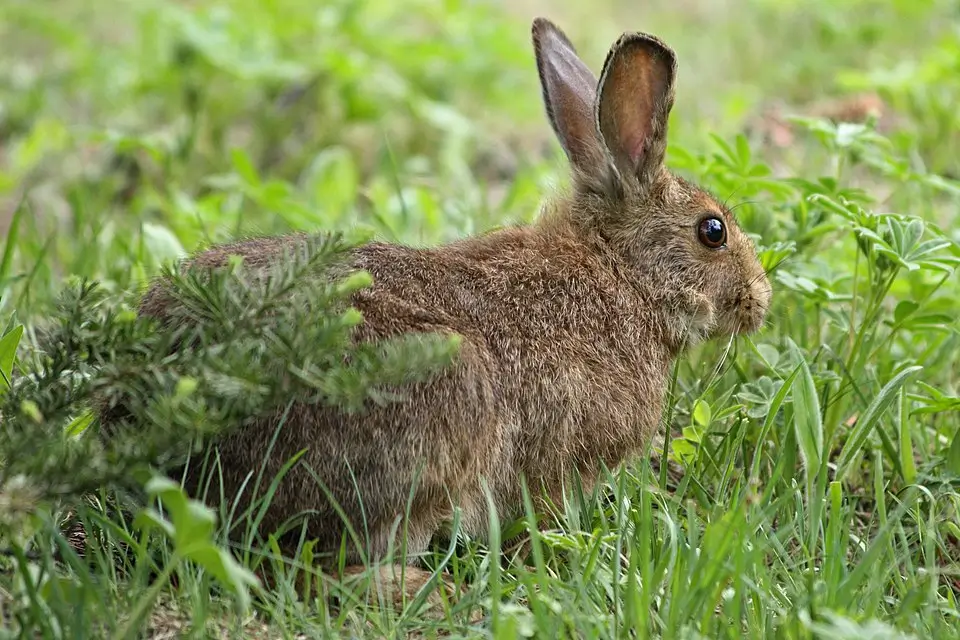
This seasonal color transformation is one of nature's most striking examples of adaptive camouflage. During the warmer months, snowshoe hares display a rich brown or grayish-brown coat that blends seamlessly with the dappled light and dark forest floor. As daylight hours shorten in autumn, a hormonal response triggered by photoperiod — the changing ratio of light to dark — initiates a molt. New white fur gradually replaces the summer coat, leaving the hare almost perfectly concealed against winter snow. In spring, the process reverses, with the brown coat returning as snow recedes from the landscape.
Interestingly, the hare's ears retain dark-tipped fur year-round, which is a useful field identification mark regardless of the season. Like other members of the genus Lepus, snowshoe hares are true hares rather than rabbits, which means their young — called leverets — are born fully furred, with open eyes, and are capable of movement almost immediately after birth. This contrasts sharply with rabbits, whose young are born hairless, blind, and entirely helpless.
The snowshoe hare's large hind feet are among the most recognizable features in the animal kingdom. The hind feet can spread widely when the animal moves, allowing it to run and maneuver on top of deep, powdery snow where heavier predators would sink and struggle. This physical advantage is a crucial survival mechanism in northern forests, where snowpack can exceed several feet in depth during peak winter months.
Snowshoe hares are primarily nocturnal and crepuscular, meaning they are most active around dawn, dusk, and through the night. During daylight hours, they typically rest in depressions in the snow or ground known as "forms" — shallow beds tucked beneath the overhanging branches of conifers or dense shrubs that provide both shelter from wind and concealment from aerial predators like great-horned owls and goshawks.
Their diet shifts seasonally as well. In summer, snowshoe hares consume a wide variety of grasses, forbs, ferns, and leafy vegetation. As winter closes in, they transition to a diet of woody browse, including the twigs, buds, and bark of willows, aspens, birches, and various conifers. This dietary flexibility is a key factor in their ability to persist through long northern winters.
One of the most well-documented phenomena in all of ecology involves the snowshoe hare: the classic predator-prey population cycle shared with the Canada lynx. Hare populations undergo dramatic boom-and-bust cycles roughly every eight to eleven years, during which populations can swell to extraordinary densities before crashing to very low levels. These cycles ripple through entire ecosystems, affecting not just lynx but also other predators such as coyotes, foxes, bobcats, great-horned owls, and even wolverines that rely heavily on hares as a food source.
Habitat & Range
The snowshoe hare's range spans much of Canada and extends southward through the western mountains of the United States, including significant portions of Wyoming. Across this broad range, the species shows a strong preference for dense coniferous and mixed forests, particularly those with abundant understory vegetation that provides both food and cover.
In the Mountain West, snowshoe hares are strongly associated with higher-elevation forested habitats. In Wyoming, this means the species is most commonly found in the subalpine forests, spruce-fir stands, and lodgepole pine forests of mountain ranges such as the Wind River Range, the Bighorn Mountains, the Teton Range, and the Wyoming Range. Areas with dense willow thickets along streams and meadow edges are also prime snowshoe hare habitat, as willows constitute an important winter food source.
Cover density is a critical habitat requirement. Snowshoe hares rely heavily on dense vegetation not just for food, but for concealment from the wide variety of predators that target them. Stands of young conifers with low-hanging branches, dense brush fields, and riparian willow corridors all provide the escape cover that hares require to survive in a landscape full of hungry predators.
Wyoming's varied topography and extensive public lands — including Yellowstone and Grand Teton National Parks, multiple national forests, and vast Bureau of Land Management tracts — provide enormous swaths of suitable snowshoe hare habitat. Hunters and wildlife watchers venturing into the state's mountain forests during the winter months are likely to encounter the distinctive tracks of snowshoe hares, which leave a characteristic pattern of four prints with the large hind feet landing ahead of the smaller front feet.
Hunting Information
Snowshoe hare hunting is a beloved small-game tradition in many parts of North America, combining the pleasures of winter wildlife observation with the excitement of pursuit. In many states and Canadian provinces, hares are lightly regulated compared to big game species, making them an excellent opportunity for new hunters, young sportsmen, and experienced outdoorspeople looking for action during the winter months.
In Wyoming specifically, official hunting season dates, license requirements, and bag limits for snowshoe hares were not available in the source data consulted for this article. Hunters interested in pursuing snowshoe hares in Wyoming should consult the Wyoming Game and Fish Department directly for the most current regulations, season structures, and any applicable licensing requirements before heading afield. Regulations can change from year to year, and verifying current rules ensures both legal compliance and responsible wildlife management.
Generally speaking, snowshoe hare hunting across their range tends to be a winter activity by nature, as it is during the snow season that the hare's white coat — while providing camouflage against a snowy backdrop — can paradoxically make them visible when they sit against darker vegetation or bare ground during transitional periods. Many hunters pursue hares with small-caliber rifles such as the .22 LR, or with shotguns, while others enjoy the traditional sport of hunting with beagles or other hounds that trail the hares by scent.
Hares have a well-known tendency to run in large circles when pursued, often returning to within a short distance of where they were first jumped. This behavior makes hunting them on foot highly rewarding, as a patient hunter who marks the spot where a hare was flushed can often stand quietly and wait for the animal to complete its loop and pass within range again. This characteristic behavior also makes them excellent quarry for hunters working with trailing hounds.
Wyoming's mountain forests offer spectacular scenery and solitude for the winter small-game hunter. The combination of cold, crisp air, snow-covered conifers, and the chance to observe one of North America's most ecologically important small mammals in its native winter habitat makes snowshoe hare hunting a genuinely memorable outdoor experience.
Conservation
The snowshoe hare is currently classified as a species of Least Concern by the International Union for Conservation of Nature (IUCN), reflecting its broad distribution, large overall population size, and adaptability across a wide variety of forested habitats. The species is not considered threatened at a continental scale, though local populations can fluctuate dramatically as part of their natural population cycles.
That said, conservationists and wildlife managers are paying close attention to the potential long-term effects of climate change on snowshoe hare populations. Because the hare's seasonal color change is triggered by photoperiod rather than temperature or actual snow presence, warming winters that reduce snow cover duration could create a dangerous mismatch — leaving white-coated hares conspicuous against snowless brown ground for extended periods. Research has documented increased predation rates under these conditions, raising questions about how the species will adapt over the coming decades.
Habitat management is another important consideration. Snowshoe hares thrive in early to mid-successional forest habitats with dense understory cover, and forest management practices that maintain a diversity of stand ages and structures can be beneficial for hare populations. Responsible timber management, prescribed fire programs, and the conservation of riparian corridors all contribute to maintaining the high-quality habitat that snowshoe hares require.
For hunters, the snowshoe hare represents a sustainable and exciting small-game resource. Harvest pressure on snowshoe hare populations is generally considered low relative to annual population productivity, and ethical, regulated hunting plays a positive role in funding wildlife conservation through license fees and excise taxes collected under the Federal Aid in Wildlife Restoration Act (Pittman-Robertson Act).