Overview
Few animals have shaped the North American landscape quite like the beaver. Known scientifically as Castor canadensis, the North American beaver is the continent's largest rodent and one of the most ecologically influential mammals in the wild. From the densely forested wetlands of Canada to the mountain streams of Wyoming's rugged terrain, this industrious creature has left its mark on nearly every watershed it inhabits. Revered by Indigenous peoples, prized by fur traders who helped shape the early history of the continent, and celebrated today by ecologists and wildlife enthusiasts alike, the North American beaver is a true symbol of resilience, adaptability, and the raw power of nature's engineering.
Whether you're a wildlife observer paddling quietly along a backcountry stream at dawn, a trapper following in the footsteps of mountain men, or simply a curious naturalist eager to understand the world around you, the North American beaver offers a compelling subject of study. This article explores the biology, habitat, hunting traditions, and conservation story of Castor canadensis — one of North America's most remarkable wild animals.
Biological Traits
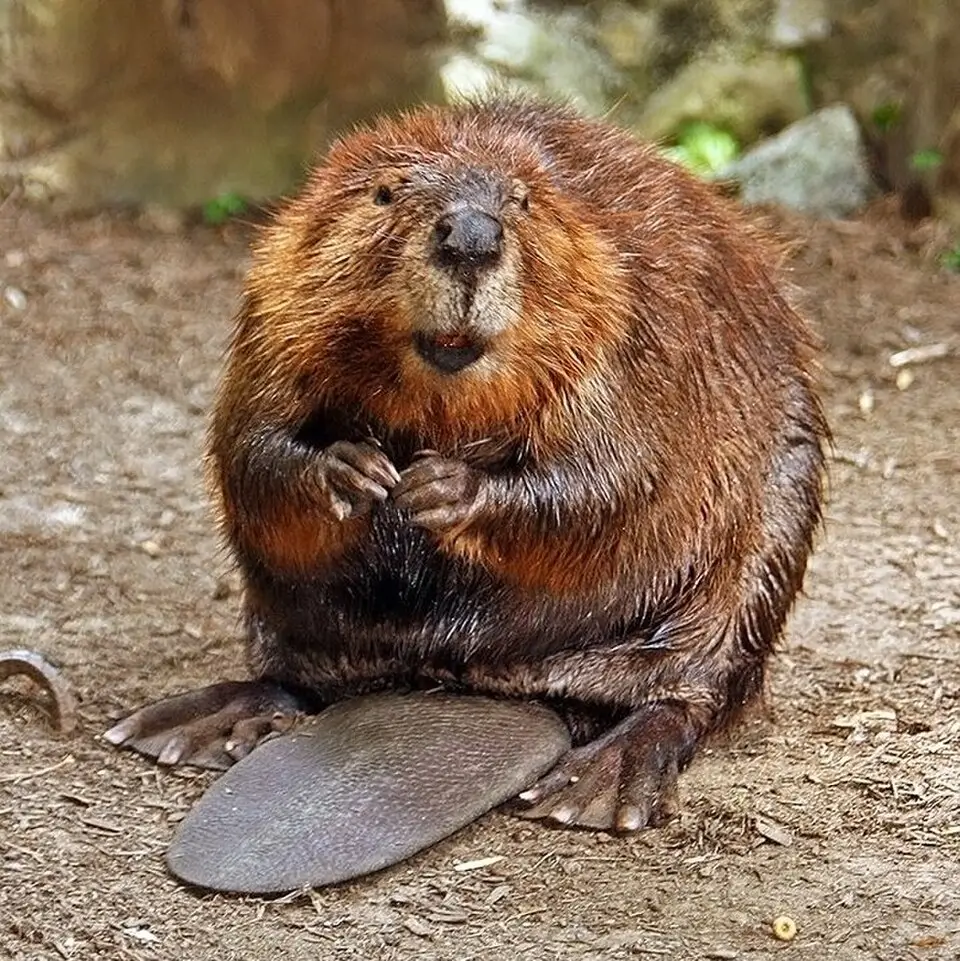
The North American beaver (Castor canadensis) belongs to the family Castoridae and the order Rodentia, making it a member of the same broad taxonomic group as mice, squirrels, and porcupines — though few rodents can match the beaver's sheer size and physical capability. Adult beavers are powerfully built animals, typically weighing between 35 and 65 pounds, though exceptionally large individuals can exceed 100 pounds. Their broad, flat, paddle-shaped tails — one of nature's most recognizable features — serve multiple functions, including steering while swimming, storing fat reserves for winter, and slapping the water surface to signal danger to other members of the colony.
The beaver's body is covered in dense, waterproof fur consisting of two distinct layers: a coarse outer layer of guard hairs and a soft, thick underfur that provides exceptional insulation in cold water. This luxurious pelt is precisely what made the beaver such a prized commodity during the North American fur trade era of the 17th through 19th centuries. The fur's natural oils help repel water, keeping the beaver warm and dry even during prolonged dives.
Among the beaver's most remarkable anatomical features are its large, chisel-like incisors. These orange-tinted front teeth are composed of especially hard enamel on the outer surface and softer dentine on the inner surface, which causes them to self-sharpen with use. A beaver's teeth never stop growing throughout its lifetime, and the animal must continually gnaw on wood to prevent them from becoming overgrown. This biological imperative is directly responsible for the beaver's tree-felling behavior — one of the most dramatic displays of animal engineering in the natural world.
Beavers are well adapted to aquatic life. Their hind feet are fully webbed for efficient swimming, and they possess transparent nictitating membranes — a kind of built-in goggle — that protect their eyes underwater. Their nostrils and ears can be closed when submerged, and they are capable of remaining underwater for up to 15 minutes at a time. A specialized valve at the back of the throat allows beavers to carry branches in their mouths while swimming without swallowing water.
Beavers are monogamous animals that typically mate for life. A breeding pair will occupy and defend a territory, raising successive litters of young known as kits. Litters generally consist of two to four kits, born in the spring after a gestation period of approximately 107 days. Kits are born fully furred, with open eyes, and are capable of swimming within hours of birth. Young beavers typically remain with their family group for up to two years before dispersing to establish their own territories.
One of the beaver's most celebrated biological characteristics is its ability to construct and maintain dams. Using felled logs, branches, mud, and stones, beavers build dams across streams and waterways with remarkable engineering precision. These structures impound water to create deep ponds that protect the beaver's lodge from predators and provide year-round access to food. The lodge itself — typically a dome-shaped mound of sticks and mud with underwater entrances — keeps the family safe through even the harshest winter conditions. Beavers also excavate food caches near their lodges, storing branches and saplings underwater where they remain accessible beneath the ice.
Habitat & Range
The North American beaver enjoys one of the widest natural ranges of any large North American mammal. Castor canadensis is found from the Atlantic to the Pacific coast, and from the northern reaches of Canada and Alaska southward into northern Mexico. This broad distribution reflects the beaver's impressive adaptability to a wide variety of environmental conditions, from boreal forests and prairie wetlands to alpine streams and coastal marshes.
In Wyoming, beavers are a well-established and important component of the state's diverse wildlife community. Wyoming's geography — characterized by high mountain ranges, broad river valleys, and an intricate network of streams and drainages — provides ideal habitat for beaver populations. The state's iconic rivers, including the Snake, Green, Yellowstone, and North Platte, along with countless smaller tributaries, support thriving beaver colonies throughout the year.
Beavers prefer slow-moving or still freshwater environments where they can build their dams and lodges. They are particularly drawn to areas with abundant willows, aspens, cottonwoods, and other deciduous trees and shrubs, which serve as both food and building material. In mountainous regions like Wyoming's Wind River Range or the Teton wilderness, beavers are often found along valley-bottom streams where willows grow in dense thickets.
The ecological impact of beaver activity on Wyoming's landscapes cannot be overstated. By flooding stream corridors and creating wetland habitat, beavers dramatically increase local biodiversity. Beaver ponds raise the water table, recharge groundwater, and create habitat for fish, waterfowl, amphibians, and a host of other wildlife species. In Wyoming's semi-arid landscape, where water is a precious and often scarce resource, the hydrological work of beavers has profound positive effects on entire ecosystems.
Hunting and Trapping Information
The North American beaver has a long and storied history as a furbearing animal. The beaver pelt drove much of the early exploration and economic development of North America, and trapping remains a legal, regulated activity across much of the continent today. In Wyoming, beavers are classified as a furbearing species, and trapping is a tradition with deep cultural and historical roots in the state.
Wyoming is a state with a proud trapping heritage, and the beaver has long been at the heart of that tradition. The mountain men who explored Wyoming's wilderness in the early 19th century — men like Jim Bridger and Jedediah Smith — were largely motivated by the search for beaver pelts to meet the voracious demand of the European hat trade. That legacy lives on in Wyoming's contemporary trapping culture.
Because specific season dates, license requirements, and regulatory details for beaver trapping in Wyoming were not available in the source data consulted for this article, prospective hunters and trappers are strongly encouraged to consult the Wyoming Game and Fish Department (WGFD) directly for the most current and accurate information. Regulations can vary by region, method, and season, and it is every sportsman's responsibility to understand and comply with applicable state and federal laws before pursuing any furbearing species.
Generally speaking, trapping beavers requires both skill and patience. Common methods include the use of body-gripping traps and foothold traps placed at active runs, slides, and underwater entrances to lodges and food caches. Identifying fresh sign — such as recently felled trees, mud-plastered dams, and distinctive gnaw marks — is essential to successful trapping.
Conservation
The conservation story of the North American beaver is one of the great wildlife recovery successes in North American history. By the early 20th century, unregulated trapping had reduced beaver populations to dangerously low levels across much of the continent. However, thanks to the establishment of regulated hunting and trapping seasons, habitat protection efforts, and in many areas active reintroduction programs, beaver populations have rebounded dramatically.
Today, Castor canadensis is listed as a species of Least Concern by the International Union for Conservation of Nature (IUCN), a testament to the effectiveness of wildlife management practices over the past century. In Wyoming and across the American West, beaver populations are actively monitored and managed to ensure their continued health and ecological contribution.
Modern conservation science increasingly recognizes the beaver as a powerful tool for ecosystem restoration. In drought-prone landscapes, beaver reintroduction has been used as a cost-effective, nature-based solution for restoring degraded stream systems, improving water quality, and increasing habitat complexity. The term "beaver-assisted restoration" has entered the vocabulary of land managers and conservation organizations throughout the West, including in Wyoming, where water resource management is a perennial priority.
The future of the North American beaver in Wyoming and beyond looks bright. As more land managers, sportsmen, and conservation organizations come to appreciate the ecological services provided by these remarkable animals, the beaver's role in the broader conversation about sustainable land and water management is likely to grow even more prominent.