Overview
Few animals command the awe and admiration that a moose inspires when encountered in the wild. Standing as the largest member of the deer family, the moose (Alces alces) is a creature of contradictions — simultaneously awkward and majestic, lumbering and surprisingly swift, solitary and deeply connected to the ecosystems it inhabits. Whether glimpsed wading through a mountain lake at dawn or stepping silently through a boreal forest, the moose has captured the imagination of naturalists, wildlife enthusiasts, and hunters alike for centuries.
In Wyoming, the moose holds a place of particular reverence. Against the dramatic backdrop of the Teton Range, the rolling sagebrush flats, and the dense lodgepole pine forests of the Greater Yellowstone Ecosystem, the moose is a symbol of wild, untamed America. For the state's hunters and wildlife watchers, spotting a bull moose in full velvet or watching a cow moose tend to her calves is among the most memorable experiences the natural world has to offer. This article explores everything you need to know about this remarkable animal — its biology, its habitat, its role in hunting culture, and the conservation efforts that ensure future generations can share in the wonder of the moose.
Biological Traits
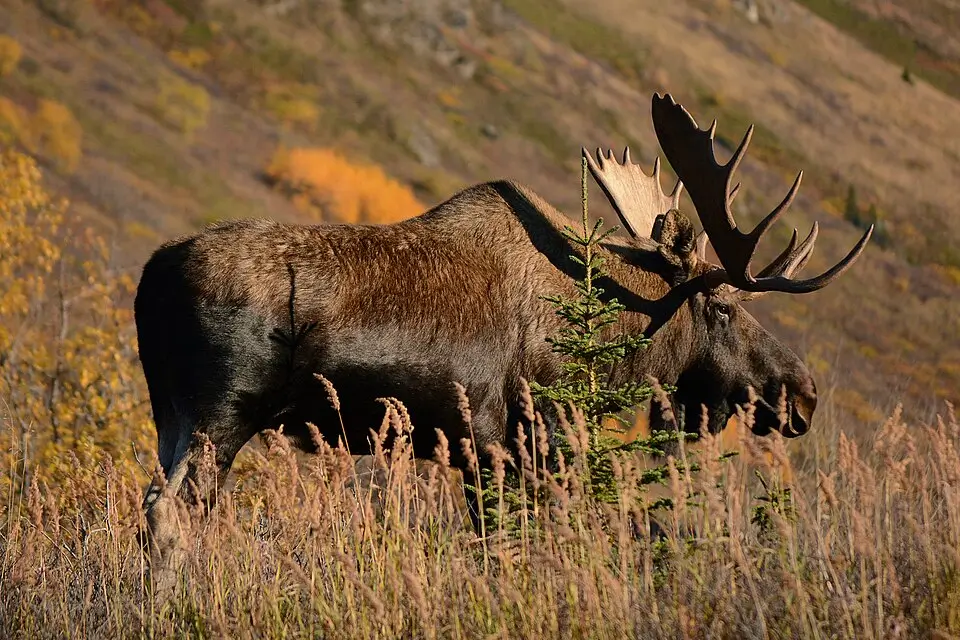
The moose, known scientifically as Alces alces, is the largest and heaviest member of the family Cervidae, the deer family. Bulls (males) are significantly larger than cows (females), a trait known as sexual dimorphism. Mature bulls can weigh anywhere from 800 to over 1,500 pounds in prime condition, while cows are generally smaller but still impressively sized. From their towering shoulder height — which can exceed six feet — to their long, bulbous nose designed to help them forage underwater and in snow, every aspect of a moose's anatomy speaks to centuries of evolutionary adaptation.
One of the moose's most iconic features is its antlers, which are grown exclusively by bulls. Unlike the pointed, branching tines of white-tailed deer or elk, moose antlers grow in broad, flattened "palms" that can span more than five feet from tip to tip in a mature animal. These antlers are shed each winter and regrown annually, reaching their full development by late summer when the velvet — the soft, vascular skin that nourishes growing antler tissue — is stripped away in preparation for the autumn rut. During the rut, bulls become highly competitive, using their antlers in dramatic clashes to establish dominance and earn breeding rights with cows.
The moose's body is built for cold-weather survival. Its coat consists of hollow guard hairs that trap air and provide outstanding insulation against frigid temperatures. A dewlap — sometimes called a "bell" — hangs beneath the throat and is more pronounced in bulls, though its exact biological function remains a subject of scientific discussion. The moose's long legs are not merely for show; they allow the animal to wade through deep snow, cross rivers with ease, and navigate rugged terrain that would challenge most other large mammals.
Moose are herbivores with a highly varied diet that shifts with the seasons. In summer, they are known to wade into ponds, lakes, and streams to feed on aquatic vegetation, which provides essential sodium and other minerals. In winter, they browse on woody shrubs, willows, birches, and the bark of various trees. This dietary flexibility makes the moose a remarkably resilient animal in the face of seasonal change.
Cows typically give birth to one or two calves in late spring, following a gestation period of approximately eight months. Calves grow rapidly and can weigh several hundred pounds by the time their first winter arrives. Moose are generally solitary animals outside of the rut and the cow-calf bond, though they may share feeding areas without significant conflict.
Habitat & Range
The moose is a creature of the northern latitudes, thriving across a circumpolar range that spans North America, Europe, and Asia. In North America, moose are found from Alaska and Canada southward into the contiguous United States, particularly in states with suitable boreal and subalpine habitat. Their range in the lower 48 states includes portions of the Rocky Mountain West, the upper Great Lakes region, and the forests of New England.
In Wyoming specifically, moose inhabit a variety of high-elevation ecosystems. The Greater Yellowstone Ecosystem, which encompasses Yellowstone and Grand Teton National Parks along with surrounding national forests and wilderness areas, provides ideal moose habitat. Dense stands of willows along stream corridors, subalpine forests of spruce, fir, and lodgepole pine, and the network of rivers and lakes throughout the state create a mosaic of habitats perfectly suited to moose life history needs.
Moose in Wyoming are particularly associated with riparian zones — the vegetated areas along rivers and streams — where willows and other shrubs provide both food and cover. Elevation plays a key role in their seasonal movements; moose may migrate to higher alpine meadows in summer and descend to lower valley bottoms as winter snows deepen. The Bridger-Teton National Forest, the Wind River Range, and the areas surrounding the Snake River drainage are among the most celebrated moose habitats in the state.
Wyoming, despite being the least populous state in the nation with an estimated population of just 587,618 residents as of 2024, contains some of the most intact and expansive wildlife habitat in the American West. This is a significant advantage for moose and many other large mammals. Vast stretches of public land managed by the U.S. Forest Service, the Bureau of Land Management, and other agencies ensure that moose habitat is not only preserved but actively stewarded for future generations.
Hunting Information
Moose hunting is a deeply cherished tradition across their North American range, and Wyoming is no exception. Pursuing a moose is considered by many big game hunters to be one of the most challenging and rewarding experiences available in North America. The sheer size of the animal, the remoteness of its habitat, and the physical demands of a moose hunt combine to make it a true wilderness adventure.
In Wyoming, moose hunting is managed by the Wyoming Game and Fish Department, which oversees licensing, season structures, and population management. Because moose populations must be carefully managed to ensure long-term sustainability, moose tags in Wyoming are typically issued through a limited-entry draw system. This means that hunters apply for tags through a preference point system, and the number of tags issued in any given unit is based on current population data and management objectives.
It is important for prospective moose hunters to consult the Wyoming Game and Fish Department directly for the most current and accurate information regarding season dates, license requirements, legal units, and application deadlines, as these regulations can change from year to year. The specific details of licensing requirements and season dates were not available in the source data consulted for this article, so hunters are strongly encouraged to visit the Wyoming Game and Fish Department's official website or contact their nearest regional office before making any hunting plans.
What can be said with confidence is that a Wyoming moose hunt is an expedition-level undertaking. Many prime moose habitats are located in remote backcountry areas accessible only by foot or horseback. Hunters should be prepared for physically demanding terrain, rapidly changing mountain weather, and the considerable logistical challenge of packing out a large animal. Many hunters choose to hire outfitters with experience in moose country, particularly for backcountry hunts in areas like the Thorofare or the Wind River Wilderness.
Calling during the rut, which typically occurs in September and into early October, is one of the most effective and exciting methods for locating and attracting bull moose. Using cow calls or raking antlers against brush to simulate the sounds of a rival bull can draw in a mature moose from surprising distances. Still-hunting and glassing open hillsides and willow-choked drainages are also productive strategies.
Conservation
The moose has fared well in Wyoming thanks to a combination of responsible wildlife management, abundant public land, and the relatively low human population density that characterizes the state. Wildlife managers with the Wyoming Game and Fish Department monitor moose populations through aerial surveys, hunter harvest data, and ground-based studies to ensure that hunting pressure remains within sustainable limits.
Moose face a variety of natural and emerging challenges across their range. Wolves, grizzly bears, and mountain lions are natural predators that keep moose populations in check within Wyoming's ecosystems — a natural balance that is itself a sign of ecological health. In other parts of North America, moose populations have faced pressure from winter tick infestations and the effects of a warming climate, which can reduce suitable habitat and increase parasite loads. Wildlife biologists and conservation organizations continue to study these dynamics closely.
The preservation of riparian corridors and healthy wetland ecosystems is among the most important conservation priorities for moose. These habitats not only support moose but also benefit a wide array of other wildlife species, from songbirds to beaver to cutthroat trout. Conservation partnerships between state agencies, federal land managers, and private landowners play a crucial role in maintaining the landscape connectivity that moose need to thrive.
Hunters themselves have long been among the most dedicated advocates for moose conservation. License fees and excise taxes on hunting equipment, collected under the Federal Aid in Wildlife Restoration Act (commonly known as the Pittman-Robertson Act), fund critical wildlife research, habitat acquisition, and management programs that benefit moose and countless other species across the country.
The future of the moose in Wyoming looks bright, provided that habitat is protected, populations are carefully managed, and the wild landscapes that define this remarkable state continue to be cherished and stewarded with care.