Overview
Among the many fascinating wildlife species that inhabit the diverse landscapes of North America, the gray fox (Urocyon cinereoargenteus) stands out as one of the continent's most distinctive and ecologically interesting canids. Often overshadowed by its more commonly discussed cousin, the red fox, the gray fox possesses a remarkable set of biological traits and behavioral adaptations that set it apart from virtually every other member of the dog family. From its salt-and-pepper coat to its extraordinary ability to scale trees — a skill almost unheard of among canines — the gray fox is a creature that rewards careful observation and deep study.
In Wyoming, this species represents one of many wild fox species that inhabit the rugged, varied terrain of the Cowboy State. Wyoming, the tenth-largest state by area yet the least populous in the entire nation with an estimated population of just 587,618 residents as of 2024, offers enormous stretches of wild, undisturbed habitat. That combination of expansive wilderness, low human density, and diverse ecosystems makes it a compelling place for wildlife enthusiasts, hunters, and conservationists who share an interest in the gray fox and the broader ecological tapestry it inhabits.
This article explores the gray fox in depth — its biology, its range, its role in ecosystems, its relationship with hunters, and the conservation considerations that will shape its future.
Biological Traits
The gray fox is classified under the genus Urocyon, a name derived from the Greek words for "tailed dog." This genus is considered one of the most ancient lineages within the family Canidae, with fossil evidence suggesting that Urocyon diverged from other canid lineages millions of years ago. This deep evolutionary heritage makes the gray fox not just interesting from a wildlife perspective, but scientifically significant as a living link to the early history of North American carnivores.
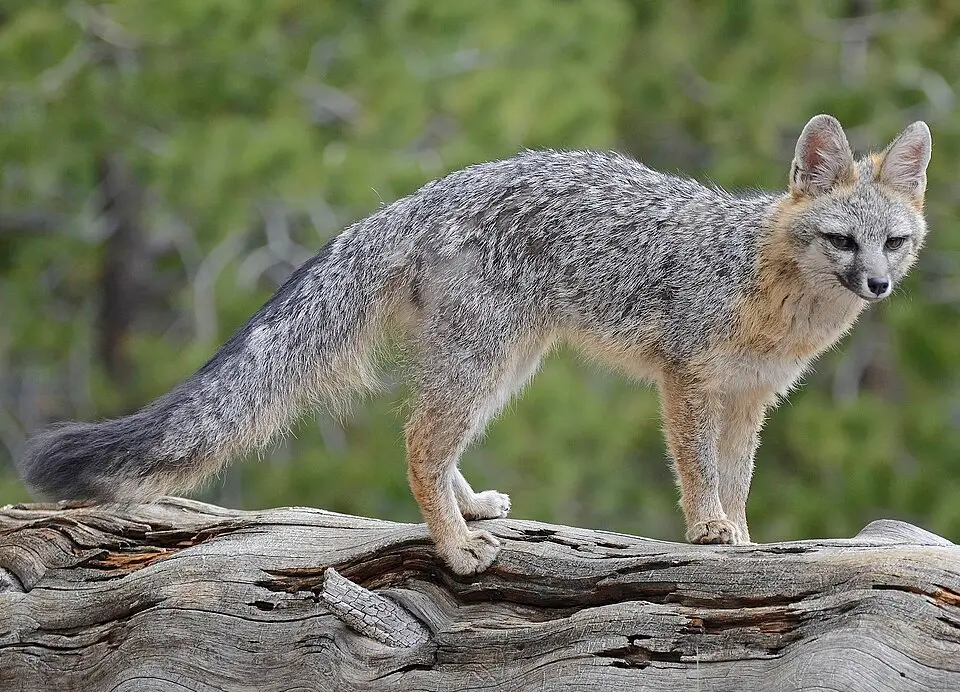
Physically, the gray fox is a medium-sized canid with a striking appearance. Its coat is primarily a grizzled gray along the back and sides, giving the animal its common name, but this coloration is complemented by rich reddish-brown tones along the neck, chest, and legs. The undersides tend to be lighter, often white or pale buff. One of the most distinctive physical features is the black stripe running along the top of the tail, ending in a black tip — a characteristic that helps differentiate the gray fox from the red fox, which typically has a white-tipped tail. The face of the gray fox often shows a dark facial mask and a distinctive pattern of rusty and white markings that give it an almost foxlike-yet-unique appearance.
One of the most celebrated and unusual behaviors of the gray fox is its ability to climb trees. Unlike virtually all other members of the Canidae family, the gray fox possesses semi-retractable claws and rotating forearms that allow it to grip tree trunks and scramble upward with surprising agility. This adaptation serves multiple purposes: escaping predators, accessing elevated food sources such as fruit and bird eggs, and even resting in the branches above the forest floor. This tree-climbing ability is so distinctive that the gray fox is sometimes called the "tree fox" by those familiar with its habits.
The gray fox is an omnivore, and its diet reflects a flexible, opportunistic approach to feeding. It consumes small mammals such as rabbits, voles, and mice, but also readily eats birds, insects, fruits, and berries. This dietary flexibility is a key reason why the gray fox has been able to thrive across such a broad geographic range. During certain seasons, plant material — including wild grapes, persimmons, and other fruits — can constitute a significant portion of the diet, making the gray fox an important seed disperser in many ecosystems.
Gray foxes are generally monogamous during the breeding season, which typically occurs in late winter. Litters usually consist of several pups, which are born blind and helpless in a den that may be located in a hollow tree, a rock crevice, or dense brush. Both parents participate in raising the young, with the male providing food for the female during the early weeks of pup development. By late summer or early fall, the young foxes are typically independent and dispersing into their own territories.
Habitat & Range
The gray fox has one of the broadest ranges of any fox species in the Western Hemisphere. Its distribution extends from southern Canada through most of the contiguous United States, through Mexico, Central America, and into portions of South America. This wide range speaks to the species' adaptability across a spectrum of habitats.
Within the United States, gray foxes are particularly associated with wooded and brushy environments. They tend to favor areas with a mix of deciduous or mixed forests, shrublands, and rocky terrain. Unlike the red fox, which often thrives in open agricultural landscapes and suburban edges, the gray fox tends to prefer denser cover, which aligns with its tree-climbing instincts and its preference for hunting in areas with ample structural complexity.
In the Mountain West, including Wyoming, gray foxes occupy a range of habitats from canyon lands and rocky outcroppings to shrubby draws, riparian corridors, and mixed woodland areas. Wyoming's dramatic landscape — encompassing everything from the high plains of the east to the mountain ranges and high desert terrain of the west — provides a variety of niches where gray foxes can establish territories. The state's low human population density means that large tracts of relatively undisturbed habitat remain available.
Gray foxes are largely crepuscular and nocturnal, meaning they are most active during the hours around dawn and dusk and through the night. Their secretive habits make them less frequently observed than some other wildlife species, and casual visitors to the field may spend considerable time in gray fox country without ever spotting one. However, experienced trackers and wildlife watchers who know the signs — tracks, scat, and the distinctive scratch marks left on tree bark — can piece together a picture of a thriving population operating quietly in the background.
Hunting Information
Hunting foxes, including the gray fox, has a long tradition in North America rooted in both practical wildlife management and sport. Fox hunting serves multiple purposes: it provides an opportunity for hunters to engage with challenging, highly mobile quarry; it contributes to wildlife population data through harvest records; and it connects participants with the broader tradition of small game and predator hunting.
In Wyoming, prospective hunters interested in pursuing gray fox should consult the Wyoming Game and Fish Department directly for the most current and accurate information regarding season dates, licensing requirements, and any applicable regulations. Specific season dates and license requirements for gray fox in Wyoming were not available in the data reviewed for this article, and regulations can change from year to year. Always verify with the official state wildlife agency before heading afield.
Gray fox hunting is typically pursued through a combination of methods. Calling — using electronic or mouth-blown predator calls that mimic the sounds of distressed prey animals — is one of the most popular and effective techniques. Gray foxes, like other predators, are drawn in by the prospect of an easy meal, and a well-executed calling setup can bring them into range in open country or at the edge of cover. Stand hunting over likely travel corridors, den sites, or food sources is another productive approach.
Because of the gray fox's preference for dense cover and its relatively secretive nature, hunters in Wyoming may find them most commonly in areas with brushy draws, rocky hillsides, and riparian vegetation rather than in wide-open plains. Early morning and evening hunts, timed to align with the species' natural activity peaks, tend to produce the best results.
For those who enjoy hunting with dogs, the gray fox's tree-climbing behavior creates a unique dynamic compared to hunting other canids. A pursued gray fox may quickly take to a tree, making treeing hounds an especially relevant tool for this quarry in wooded portions of its range.
Conservation
The gray fox is currently listed as a species of Least Concern by the International Union for Conservation of Nature (IUCN), reflecting a population that is broadly stable across its wide range. This positive conservation status is a testament to the species' adaptability, its broad habitat tolerance, and its ability to persist even in landscapes that have been significantly altered by human activity.
That said, conservation of the gray fox — like that of all wildlife — depends on the maintenance of healthy habitats, sustainable harvest practices where hunting is permitted, and continued monitoring by state and federal wildlife agencies. Habitat loss and fragmentation represent long-term concerns for many wildlife species, and the gray fox is not immune to pressures that reduce the availability of brushy, wooded cover.
In Wyoming and across the West, public lands managed by agencies such as the Bureau of Land Management, the U.S. Forest Service, and the Wyoming Game and Fish Department provide critical habitat for gray foxes and many other species. The responsible stewardship of these lands, guided by sound science and input from hunters, conservationists, and the public, is essential to ensuring that future generations can enjoy encounters with this remarkable animal.
Hunters, in particular, play a meaningful role in gray fox conservation. License fees and excise taxes on sporting equipment, collected through programs such as the Federal Aid in Wildlife Restoration Act (commonly known as the Pittman-Robertson Act), fund wildlife management programs across the country. In this way, the hunting community directly supports the research, habitat work, and population monitoring that benefit gray foxes and countless other species.
Conclusion
The gray fox is one of North America's most uniquely adapted and ecologically important wild canids. Its ancient lineage, tree-climbing ability, omnivorous diet, and broad habitat tolerance make it a fascinating subject for wildlife enthusiasts, naturalists, and hunters alike. In Wyoming — a state defined by its vast wild spaces, dramatic landscapes, and deeply rooted outdoor culture — the gray fox finds both suitable habitat and a community of people who value the natural world.
Whether you encounter a gray fox slipping silently through a brushy canyon at dusk, pick up its tracks along a frozen creek bank, or pursue it as sporting quarry, this remarkable animal deserves appreciation and respect. Understanding the gray fox — its biology, its habits, and its place in the ecosystem — is the first step toward ensuring that it remains a vibrant part of Wyoming's wildlife heritage for generations to come.