Overview
Among the many fascinating mammals that inhabit the forests, woodlands, and suburban landscapes of North America, the fox squirrel (Sciurus niger) stands out as a truly remarkable creature. Known for its impressive size, striking color variations, and adaptable nature, the fox squirrel has captured the attention of wildlife enthusiasts, naturalists, and hunters alike for generations. As the largest tree squirrel native to North America, this species occupies a unique ecological niche and plays an important role in the health of the ecosystems it calls home.
Whether you encounter one bounding through a hardwood forest, raiding a backyard bird feeder, or foraging along a woodland edge at the crack of dawn, the fox squirrel is an animal worth knowing. Its biology is fascinating, its behavior is engaging, and its presence in the landscape speaks to the resilience and diversity of North American wildlife. In this article, we explore what makes Sciurus niger such a compelling species — from its biological traits and preferred habitats to its historical relationship with hunters and its current conservation status across the continent.
Biological Traits
The fox squirrel (Sciurus niger) belongs to the family Sciuridae, the large and diverse family of squirrels that includes chipmunks, marmots, prairie dogs, and dozens of other squirrel species found around the world. Within this family, the fox squirrel is classified in the genus Sciurus, which also includes the well-known eastern gray squirrel (Sciurus carolinensis) and the western gray squirrel (Sciurus griseus).
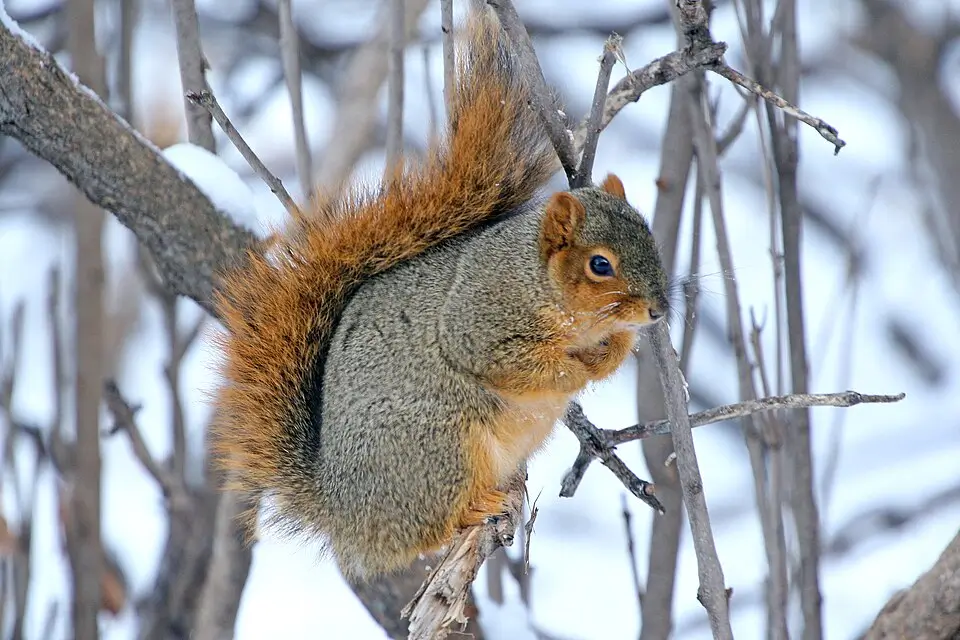
What immediately sets the fox squirrel apart from other tree squirrels is its sheer size. Adults are noticeably larger and more robust than their gray squirrel counterparts, with body lengths typically ranging from 17 to 27 inches from nose to tail tip, and weights that can reach up to three pounds in well-fed individuals. This substantial build gives the species its common name, as early observers felt the animal's size and rusty-orange coloration were reminiscent of a red fox.
One of the most visually striking characteristics of the fox squirrel is its remarkable variation in coat color. Unlike the relatively uniform appearance of many squirrel species, fox squirrels can display a wide range of pelage, from the classic rusty-orange and yellowish-brown tones seen across much of their range, to nearly all-black individuals found in parts of the American South, to pale, almost grizzled gray morphs in certain regional populations. This color diversity across subspecies and geographic locations makes the fox squirrel one of the more visually variable mammals in North America.
The fox squirrel's anatomy reflects its life as both a capable climber and a ground forager. It possesses strong, curved claws well-suited for gripping bark and navigating tree limbs, along with powerful hind legs that allow it to leap impressive distances. Its long, bushy tail — often as long as its body — serves multiple functions, acting as a counterbalance during aerial maneuvers, a blanket during cold weather, and a communication tool when the animal is threatened or excited.
Like all members of the squirrel family, fox squirrels are scatter hoarders. Rather than storing all of their food in a single location, they bury thousands of individual nuts, seeds, and other food items at scattered points across their home range. This behavior — known as caching — is critical to their survival during lean winter months. Remarkably, fox squirrels are able to relocate many of their cached food items even under a blanket of snow, relying on a combination of spatial memory and their highly developed sense of smell. Perhaps equally remarkable is the ecological consequence of this behavior: unclaimed caches frequently germinate, making fox squirrels important agents of forest regeneration and seed dispersal.
Fox squirrels are primarily diurnal, meaning they are most active during the daylight hours — particularly in the early morning and late afternoon. They communicate through a variety of vocalizations, including sharp barking calls and chattering sounds, as well as through tail movements that convey alertness and agitation. During the breeding season, which typically occurs in late winter and again in midsummer in many parts of their range, males will actively pursue females in energetic chases through the treetops.
Females give birth to litters of two to four young after a gestation period of approximately 44 to 45 days. The young are born hairless and helpless, relying entirely on their mother for warmth and nourishment. They develop rapidly, however, and are typically weaned and beginning to venture out of the nest within a few months. Nests, called dreys, are constructed from leaves, bark, and other plant materials either in tree cavities or among the branches of large trees.
Habitat & Range
The fox squirrel is a species with a broad native range that spans much of the central and eastern United States, from the Atlantic seaboard westward through the Great Plains and into parts of the Rocky Mountain foothills. They are also found in portions of southern Canada and northern Mexico, though their distribution thins considerably at the edges of these geographic boundaries.
Within this range, fox squirrels show a notable preference for open woodland environments rather than dense, closed-canopy forests. They thrive in areas where mature hardwood trees — particularly oaks, hickories, walnuts, and pecans — are interspersed with open grassy areas or agricultural fields. This preference for woodland edges and open savannas distinguishes them ecologically from the eastern gray squirrel, which tends to favor denser forest interior habitats.
Fox squirrels are also well known for their adaptability to human-altered landscapes. They have successfully colonized suburban parks, golf courses, college campuses, and even urban green spaces where suitable trees are present. In many parts of the American Midwest and South, fox squirrels are a familiar and beloved feature of small-town and suburban life.
In the context of Wyoming specifically, the fox squirrel's presence is limited. Wyoming's landscape — dominated by high-elevation mountain ranges, sagebrush steppe, and wide-open plains — does not represent the core of the species' preferred habitat. While fox squirrels have been documented in portions of Wyoming, particularly in areas along river corridors and in the eastern portions of the state where deciduous trees are more prevalent, they are not nearly as abundant or widespread as they are in the Midwest and the East. Wyoming's vast, open terrain and relatively sparse deciduous forest cover mean that fox squirrel populations here are localized and closely tied to specific habitat features like riparian woodlands and shelterbelts.
Hunting Information
Squirrel hunting, including hunting for fox squirrels, has a rich and storied tradition in North American outdoor culture. For many hunters, pursuing squirrels in the autumn woods represents an accessible, affordable, and deeply rewarding form of small game hunting that hones woodsmanship skills and provides outstanding table fare.
Fox squirrels are widely hunted across their core range in states such as Ohio, Indiana, Illinois, Missouri, Kansas, and Kentucky, where populations are robust and hunting seasons are well-established. Hunters typically pursue fox squirrels with small-caliber rifles (such as the .22 LR), shotguns loaded with small shot, or even recurve and compound bows for those seeking an additional challenge. Early autumn, when leaves are still on the trees, rewards patient hunters who know how to watch and listen for the telltale sounds of feeding squirrels — the sharp snipping of nuts, the patter of cut fragments falling through the canopy, and the occasional chattering alarm call.
Regarding Wyoming specifically, the state's official hunting regulations for fox squirrel are not readily available in the sources used for this article. Prospective hunters interested in pursuing fox squirrels in Wyoming should contact the Wyoming Game and Fish Department directly for the most current and accurate information regarding seasons, bag limits, and licensing requirements. Given that fox squirrel populations in Wyoming are not as well-established as in core range states, opportunities may be limited, and it is especially important to consult official state guidance before planning a hunt.
As always, ethical hunting practices — including proper licensing, adherence to bag limits, and respect for private and public land access rules — are essential components of responsible small game hunting anywhere in the country.
Conservation
The fox squirrel enjoys a relatively stable conservation status across much of its range. The species is currently listed as a species of Least Concern by the International Union for Conservation of Nature (IUCN), reflecting the fact that overall populations remain healthy and widespread. However, this broad status does not tell the complete story, as certain regional populations and subspecies face more specific challenges.
Habitat loss has historically been the most significant pressure on fox squirrel populations in some areas. Because the species depends on mature hardwood trees and open woodland habitats, the clearing of forests for agriculture and urban development can fragment populations and reduce carrying capacity. Conservation efforts that focus on preserving and restoring open woodlands, oak savannas, and riparian corridors are particularly beneficial for fox squirrel populations.
Several subspecies of fox squirrel have attracted focused conservation attention. The Delmarva fox squirrel (Sciurus niger cinereus), found along the Delmarva Peninsula on the Atlantic Coast, was listed under the Endangered Species Act for several decades before being delisted in 2015 following successful recovery efforts — a genuine conservation success story. The Sherman's fox squirrel (Sciurus niger shermani) in Florida is another subspecies that continues to receive attention from wildlife managers due to habitat concerns in that region.
For the broader species, maintaining diverse and structurally complex woodland habitats — including both mature mast-producing trees and open understories — remains the cornerstone of fox squirrel conservation. Hunters, wildlife managers, and landowners all play important roles in ensuring that healthy fox squirrel populations persist for future generations to enjoy.