Overview
Few animals capture the spirit of the American West quite like the elk. Towering in stature, bugling through misty mountain meadows at dawn, and moving in sweeping herds across open valleys, the elk (Cervus canadensis) is one of the most iconic and awe-inspiring large mammals on the North American continent. Known by many names — wapiti, American elk, or simply "elk" — this magnificent member of the deer family has shaped the culture, ecology, and outdoor heritage of the West for thousands of years. Nowhere is that heritage more alive than in Wyoming, a state whose rugged mountain terrain, vast public lands, and commitment to wildlife management make it one of the premier destinations for elk enthusiasts and hunters alike.
For generations, elk have held a central place in the traditions of indigenous peoples, early settlers, naturalists, and modern sportsmen. Their dramatic seasonal migrations, impressive antler growth, and powerful presence in the landscape make them the subject of endless fascination. Whether you are an avid hunter preparing for a backcountry expedition, a wildlife photographer hoping to capture a bull in full rut, or simply a nature lover curious about one of North America's grandest creatures, understanding the biology, behavior, and habitat of the elk is a richly rewarding endeavor.
Biological Traits
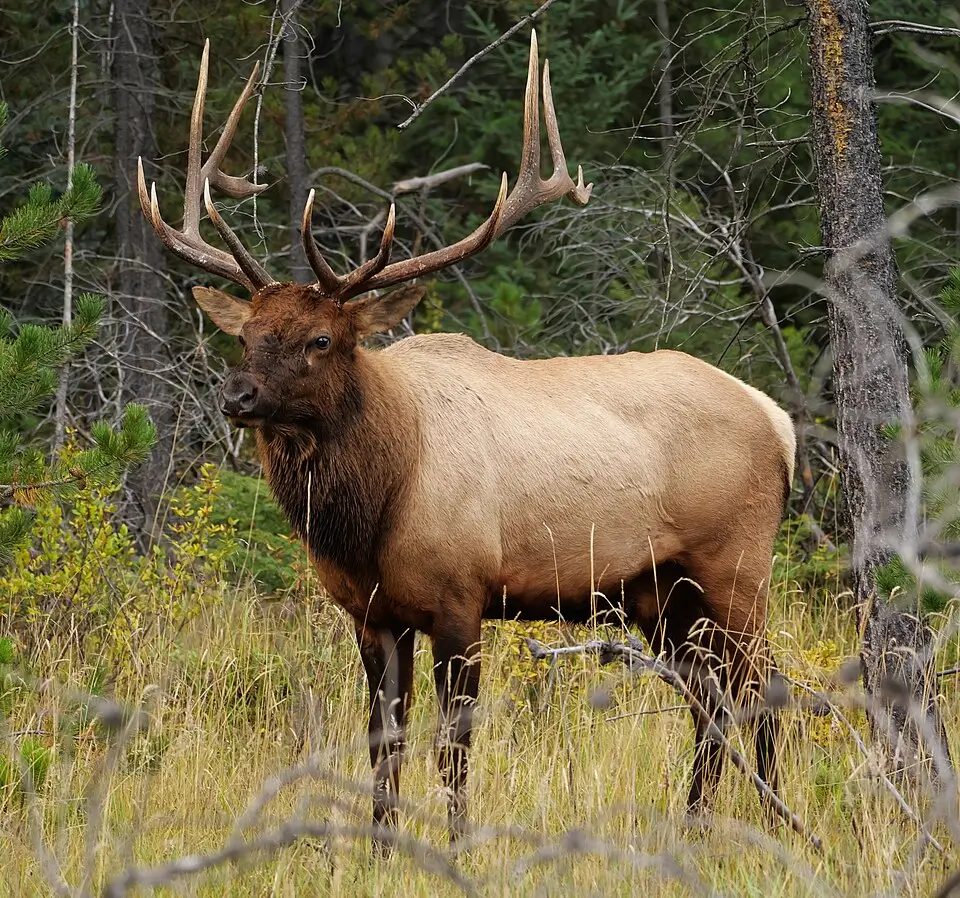
The elk (Cervus canadensis) belongs to the family Cervidae and is one of the largest members of the deer family in the world. Only the moose surpasses it in size among North American cervids. Adult bull elk are particularly impressive animals, often standing well over four feet at the shoulder and carrying massive, multi-tined antlers that can span five feet or more in width. These antlers are shed and regrown annually, representing one of the fastest-growing tissues in the animal kingdom. During the growing season, antlers are covered in a soft, blood-rich tissue called velvet, which supplies nutrients and oxygen to the rapidly developing bone structure. By late summer, bulls shed this velvet as their antlers harden in preparation for the breeding season.
Elk are highly social animals, and their behavior changes dramatically with the seasons. Cows and calves typically form nursery groups during the spring and summer months, while bulls often travel in bachelor groups. As autumn arrives, the dynamic shifts entirely with the onset of the rut — the elk breeding season. Bull elk become intensely competitive, using their iconic bugle call to announce their presence, challenge rivals, and attract cows. The bugle is one of the most distinctive and memorable sounds in nature: a haunting, high-pitched whistle that rises and falls across the mountain landscape. Bulls also engage in direct physical combat during the rut, clashing antlers in contests of strength and dominance.
Cows typically give birth to a single calf in late spring, usually between May and June. Newborn calves are spotted and rely on camouflage and the protective instincts of their mothers for survival in their first weeks of life. Within a matter of days, calves are strong enough to follow the herd, and by their first autumn they have grown considerably, beginning to resemble their adult counterparts. Elk are predominantly grazers and browsers, feeding on grasses, sedges, forbs, and a variety of shrubs and tree bark depending on the season and available forage.
The scientific classification of the elk has been an interesting topic among biologists. For many years, elk were classified under the same species as the European red deer (Cervus elaphus), but modern genetic analysis has confirmed that the North American elk is a distinct species, Cervus canadensis. Several subspecies of elk exist across North America, including the Rocky Mountain elk, the Roosevelt elk of the Pacific Northwest, and the Tule elk of California, each adapted to the particular conditions of its regional habitat.
Habitat & Range
Elk are highly adaptable animals capable of thriving in a diverse range of environments, from dense boreal forests to open grasslands, high alpine meadows, and semi-arid sagebrush flats. Historically, their range extended across much of North America, from the Pacific Coast to the eastern seaboard. Today, healthy elk populations are concentrated in the Rocky Mountain West, Pacific Northwest, and portions of the Great Plains, with smaller reintroduced populations in several eastern states.
Wyoming stands out as one of the most important strongholds for elk in the entire world. The state's combination of high-elevation mountain ranges, broad river valleys, and vast stretches of national forest and public land provide exceptional habitat. The Greater Yellowstone Ecosystem — encompassing Yellowstone National Park, Grand Teton National Park, and surrounding national forests — supports one of the largest and most studied elk herds on Earth. Elk in this region undertake some of the longest overland migrations of any land mammal in the lower 48 states, traveling dozens of miles between their summer ranges in high alpine terrain and their winter ranges in lower-elevation valleys.
Wyoming's landscape is ideally suited to elk. The state's position in the Mountain West subregion of the Western United States means it encompasses a dramatic range of elevations and ecosystems. Elk move fluidly between these zones as the seasons change, following the availability of forage and the movement of snowpack. In summer, herds climb to high meadows rich with nutritious grasses and wildflowers. As winter approaches and snow accumulates, they descend to lower elevations where food remains accessible. The National Elk Refuge near Jackson, Wyoming, is perhaps the most famous wintering ground for elk in the world, drawing thousands of animals each year and providing a world-class wildlife viewing experience for visitors from around the globe.
Hunting Information
Elk hunting is a deeply rooted tradition in Wyoming and across the American West. The pursuit of a bull elk through steep mountain terrain, dense timber, and high-country meadows is considered by many hunters to be the ultimate North American big game challenge. It demands physical fitness, woodsmanship, patience, and a thorough understanding of elk behavior and habitat.
Wyoming is widely regarded as one of the top elk hunting destinations in the United States. The state's combination of abundant public land, diverse terrain, and well-managed elk populations provides outstanding opportunities for both resident and non-resident hunters. Elk hunting in Wyoming takes many forms, from guided horseback expeditions into remote wilderness areas to do-it-yourself public land hunts on foot.
Because the source data available for this article does not include specific current season dates, license fees, or quota information for Wyoming elk hunting, prospective hunters are strongly encouraged to consult the Wyoming Game and Fish Department directly for the most accurate and up-to-date regulations. Hunting regulations in Wyoming — as in all states — are subject to change from year to year based on population surveys, habitat conditions, and management objectives. The Wyoming Game and Fish Department publishes comprehensive annual hunting regulation booklets that outline season dates, legal methods of take, license and tag requirements, and specific area regulations.
What is well established is that Wyoming offers a wide variety of hunting seasons and methods, including archery, muzzleloader, and general firearm seasons. The rut, which typically peaks in September, is a particularly exciting time for archery hunters who can use elk vocalizations and calling techniques to bring bulls into close range. Hunters planning a Wyoming elk hunt should also familiarize themselves with the state's land ownership patterns, as Wyoming contains a rich mosaic of state, federal, and private lands, each governed by different access rules.
Conservation
The conservation story of the American elk is in many ways a remarkable American success story. By the early twentieth century, unregulated market hunting and habitat loss had reduced elk populations to critically low levels across much of their former range. Conservation efforts led by state wildlife agencies, the federal government, and sportsmen's organizations helped bring elk back from the brink, and today healthy populations thrive across much of the West.
Modern elk management relies on science-based approaches that balance the needs of elk populations with the interests of hunters, livestock producers, and other land users. Hunter-funded conservation dollars, generated through license sales and excise taxes on sporting equipment under the Federal Aid in Wildlife Restoration Act (also known as the Pittman-Robertson Act), have played an enormous role in funding elk research, habitat improvement, and population monitoring. Organizations such as the Rocky Mountain Elk Foundation have been instrumental in protecting and restoring elk habitat across millions of acres.
Wyoming's vast public lands and strong wildlife management traditions position the state as a conservation leader for elk well into the future. The ongoing work of biologists, land managers, hunters, and conservationists ensures that future generations will have the privilege of witnessing one of North America's most magnificent animals in the wild.