Overview
Few animals capture the spirit of the American wilderness quite like the white-tailed deer. Graceful, alert, and remarkably adaptable, the white-tailed deer (Odocoileus virginianus) is one of the most recognized and beloved wildlife species on the continent. From the dense hardwood hollows of West Virginia's Appalachian Mountains to the open plains of the Midwest and the subtropical forests of Florida, this deer has carved out a place in nearly every ecosystem it inhabits. It is a creature of both beauty and resilience — a symbol of wild places that continues to thrive in an ever-changing landscape.
For hunters, wildlife watchers, and conservationists alike, the white-tailed deer holds a special significance. It is the most widely hunted big game animal in North America, providing millions of families with wholesome, free-range venison each year while simultaneously fueling a multi-billion-dollar outdoor recreation economy. In states like West Virginia — a place proudly known as "Almost Heaven" — the pursuit of white-tailed deer is not merely a sport but a deeply rooted cultural tradition passed down through generations of mountain families.
This guide explores the biology, behavior, habitat, and hunting heritage of the white-tailed deer, with a special focus on the magnificent hunting opportunities that West Virginia has to offer.
Biological Traits
The white-tailed deer belongs to the family Cervidae and the order Artiodactyla, placing it among the even-toed ungulates alongside elk, moose, and caribou. Its scientific name, Odocoileus virginianus, is a nod to both its hollow-toothed anatomy and its early documentation in the Virginia region — a fitting tribute to an animal so deeply tied to Appalachian heritage.
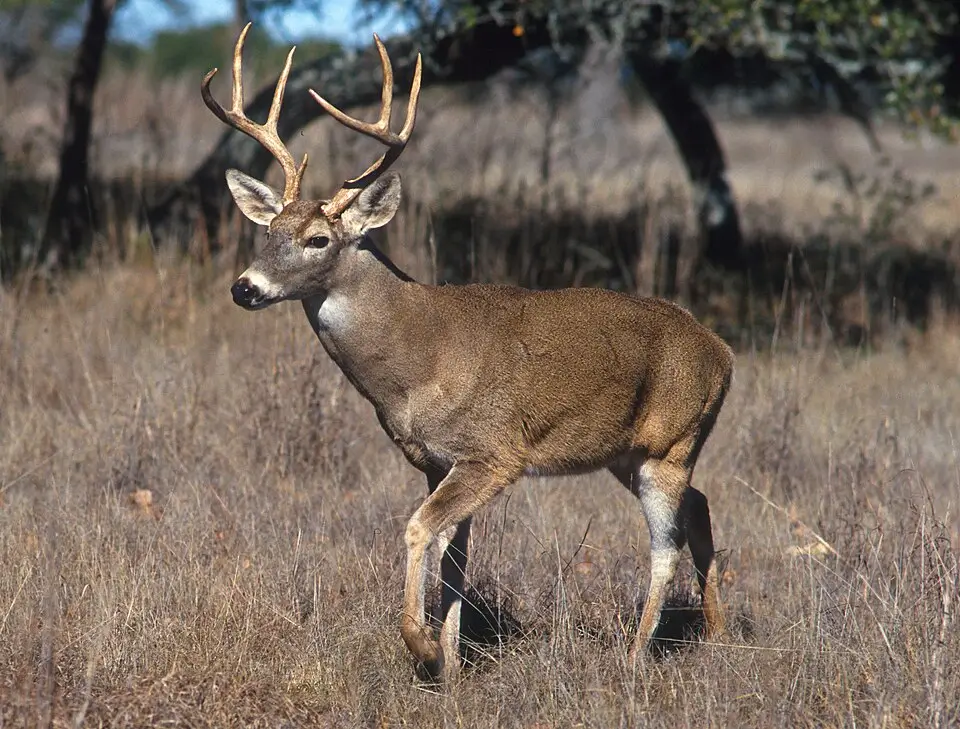
One of the most distinctive physical features of the white-tailed deer is the bright white underside of its tail, which it raises like a flag when alarmed, warning other deer of potential danger. This "flagging" behavior is one of nature's most elegant alarm systems, a flash of white that signals flight through dense woodland undergrowth.
White-tailed deer are medium-to-large cervids. Adult bucks typically weigh between 130 and 300 pounds, though exceptional individuals in northern climates can exceed this range due to Bergmann's Rule — the biological principle that animals in colder climates tend to be larger. Does are considerably smaller, generally ranging from 90 to 200 pounds. Coat color changes seasonally: the familiar reddish-brown coat of summer transitions to a thicker, grayer coat in winter, providing both insulation and camouflage in leafless forests.
Perhaps the most iconic feature of the mature buck is his antlers. Unlike horns, which are permanent keratin structures, antlers are made of bone and are shed and regrown annually. Each spring, antlers begin growing from bony structures on the skull called pedicles, covered in a soft, blood-rich tissue known as velvet. By late summer, growth is complete, the velvet dries and is rubbed away, and the hardened antlers are ready for the autumn breeding season — known as the rut. Antler size is influenced by age, genetics, and nutrition, and a mature buck in his prime can carry an impressive, multi-pointed rack that is prized by hunters throughout the country.
White-tailed deer are herbivores with a highly varied diet. They are browsers and grazers, consuming a wide range of vegetation including grasses, forbs, agricultural crops, mast (especially acorns), berries, and woody browse. This dietary flexibility is a key reason for their extraordinary success as a species. They are also crepuscular by nature, meaning they are most active at dawn and dusk — a behavioral pattern well-known to any experienced deer hunter.
Does typically give birth to one or two fawns in late spring, usually in May or June. Newborn fawns are spotted, a natural camouflage that helps them remain hidden in dappled forest light during their first vulnerable weeks of life. Does will leave their fawns bedded in tall grass or brush while they feed, returning periodically to nurse. Fawns grow rapidly and are typically weaned by autumn.
The breeding season, or rut, is one of the most dramatic periods in the white-tailed deer's annual cycle. Occurring primarily in November across much of the eastern United States, the rut sees bucks abandon their normally cautious behavior in the pursuit of does. Bucks will scrape the ground, rub their antlers on trees to mark territory, and travel great distances in search of receptive females. This period of reduced wariness makes the rut one of the most productive and exciting times to hunt white-tailed deer.
Habitat & Range
The white-tailed deer boasts one of the widest geographic ranges of any large mammal in the Western Hemisphere. Its range extends from southern Canada throughout the entire continental United States, south through Central America, and into northern portions of South America. Across this vast range, numerous subspecies have been identified, each adapted to local environmental conditions.
White-tailed deer are the quintessential edge-habitat species. They thrive in areas where forests meet open fields, meadows, or agricultural land — environments that provide both food and cover in close proximity. Mature forests, young regenerating timber cuts, river bottoms, agricultural fields, and brushy fence lines all serve important roles in deer habitat. Their adaptability to fragmented, human-altered landscapes has allowed them to persist — and in many areas flourish — even as development has transformed much of North America.
In West Virginia, the white-tailed deer finds itself in ideal territory. The state's rugged, mountainous landscape is covered in vast tracts of mixed hardwood forest, including oak, hickory, cherry, and maple — all of which provide critical food sources. West Virginia's numerous ridges, hollows, creek bottoms, and regenerating timber cuts create a patchwork of habitats perfectly suited to white-tailed deer. The state's public lands, including national forests and wildlife management areas, provide enormous expanses of quality deer habitat accessible to hunters and wildlife watchers.
Hunting Information
Hunting white-tailed deer is a cornerstone of outdoor culture across the United States, and West Virginia is no exception. Known as "Almost Heaven," West Virginia offers hunters a truly exceptional experience, combining wild, scenic terrain with healthy deer populations and a rich hunting heritage.
West Virginia's Division of Natural Resources (WVDNR) manages white-tailed deer hunting in the state and provides hunters with up-to-date regulations, season dates, and licensing information through the official West Virginia Hunting Guide. Prospective hunters — whether residents or non-residents — can conveniently purchase hunting licenses online or through authorized vendors. The state actively encourages first-time hunters with dedicated resources to help newcomers get started safely and successfully.
Deer hunting in West Virginia takes many forms. Archery hunters take to the woods in the early fall, often hunting from elevated stands positioned along deer trails, food sources, or field edges. Firearms hunters eagerly anticipate the rifle season, which typically coincides with or falls near the peak of the rut — a period when bucks are actively moving in search of does. Muzzleloader seasons offer yet another traditional hunting opportunity for those who appreciate the challenge and heritage of black-powder hunting.
West Virginia's terrain demands physical fitness and a spirit of adventure. Many of the state's most productive deer hunting areas require hiking into remote hollows or climbing steep ridgelines — a challenge that rewards those who put in the effort with solitude, stunning scenery, and the opportunity to encounter mature whitetails in truly wild settings. Public land hunting is widely available across West Virginia's national forests, state forests, and wildlife management areas, making quality deer hunting accessible to hunters of all backgrounds.
For those new to hunting in West Virginia, the state's official hunting guide is an invaluable starting point. It covers licensing requirements, season structures, legal methods of take, and important check-in regulations. Hunters are encouraged to familiarize themselves with current regulations before heading afield, as seasons and rules are subject to annual review and adjustment by wildlife managers.
Conservation
The conservation story of the white-tailed deer is one of North American wildlife management's greatest success narratives. In the late 19th and early 20th centuries, populations across much of the country were decimated by unregulated market hunting and widespread habitat loss. Through the implementation of science-based wildlife management, regulated hunting seasons, and habitat restoration efforts, white-tailed deer populations rebounded spectacularly throughout the 20th century.
Today, hunters play a central role in deer conservation. License fees and excise taxes collected through the Federal Aid in Wildlife Restoration Act (commonly known as the Pittman-Robertson Act) fund wildlife research, habitat improvement, and conservation programs across the country. In West Virginia, these funds support the WVDNR's ongoing efforts to monitor deer populations, manage habitat on public lands, and ensure sustainable harvest levels that keep populations healthy for future generations.
The white-tailed deer is not merely a game animal — it is a keystone species in many eastern forest ecosystems. As a prey species, it supports populations of large predators such as black bears, coyotes, and bobcats. As a herbivore, it plays a role in shaping forest vegetation structure. And as an ambassador for wildlife conservation, it inspires millions of Americans to connect with the natural world each year.
West Virginia's wild mountains and forests are a fitting home for this remarkable animal. Whether you encounter a white-tailed deer bounding through autumn leaves on a crisp October morning or spot a trophy buck silhouetted against a ridge at last light, the experience is one that stays with you — a reminder of the extraordinary wildlife heritage that makes "Almost Heaven" live up to its name.