Overview
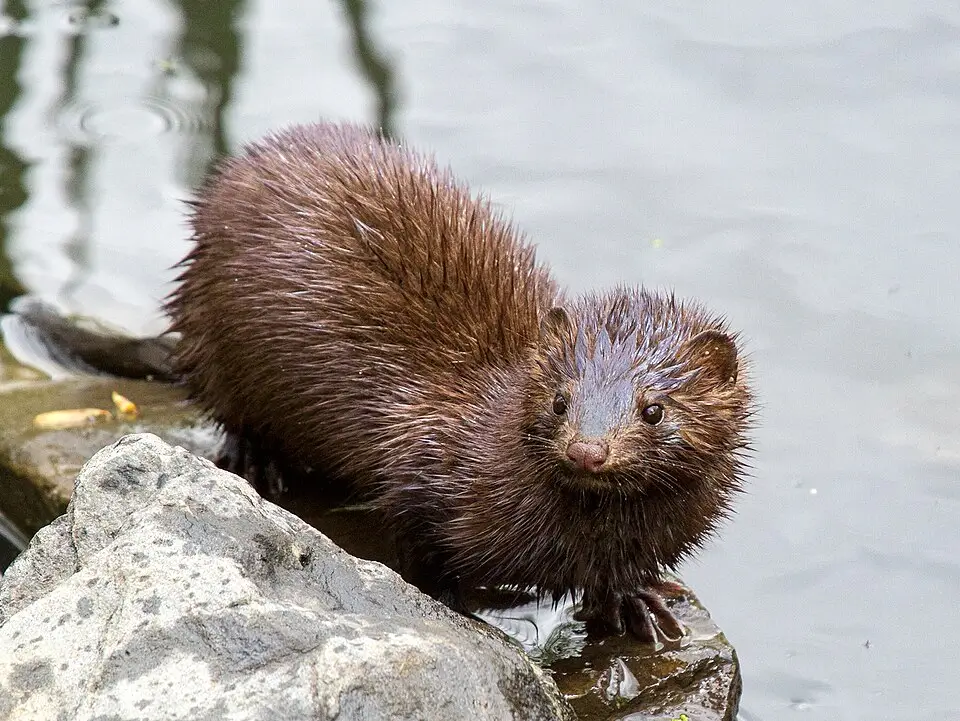
Few animals embody the wild spirit of North America's waterways quite like the American mink (Neogale vison). With its glossy, chocolate-brown fur, sinuous body, and razor-sharp instincts, this semi-aquatic mustelid has captivated the attention of naturalists, trappers, and wildlife enthusiasts for centuries. Found across a vast swath of the continent — from the boreal forests of Canada to the mountain hollows of Appalachia — the American mink is a study in evolutionary elegance. It is equally at home slipping beneath the surface of a cold mountain stream as it is threading through dense streamside brush in pursuit of prey.
In the state of West Virginia, often celebrated as "Almost Heaven" for its rugged, mountainous character and extraordinary natural diversity, the American mink finds a welcoming landscape. The state's network of rivers, creeks, wetlands, and forested stream corridors provides ideal habitat for this tenacious little predator. Whether you are a wildlife enthusiast hoping to catch a glimpse of one darting along a streambank or an outdoorsman interested in the rich trapping traditions of the Mountain State, understanding the American mink is both rewarding and deeply connected to the region's heritage.
Biological Traits
The American mink is a member of the family Mustelidae — a diverse and widespread group of carnivorous mammals that also includes otters, weasels, badgers, and wolverines. Taxonomically classified as Neogale vison, the American mink is one of the most well-recognized members of this family, largely due to its historical significance in the fur trade and its widespread presence across North America.
Physically, the American mink is a sleek and muscular animal built for both speed and agility. Its body is long and low-slung, perfectly adapted for navigating dense riparian vegetation and pursuing prey both on land and in water. Adult males are typically larger than females — a common trait among mustelids known as sexual dimorphism. Males generally measure longer from nose to tail and carry considerably more body mass than their female counterparts. Both sexes sport the species' signature rich, dark brown fur, which is dense, water-resistant, and lustrous — qualities that made the mink one of the most prized fur-bearing animals in North America and beyond.
The mink's feet are partially webbed, giving it excellent swimming ability. It can dive and pursue fish, frogs, and aquatic invertebrates beneath the surface with remarkable efficiency. On land, it moves in a characteristic bounding gait, often pausing to investigate burrows, log piles, and root masses where prey might be concealed.
American minks are solitary and territorial animals. Both males and females maintain home ranges along waterways, with males typically occupying larger territories that may overlap with those of several females. They communicate through scent markings produced by well-developed anal scent glands — a trait shared with their mustelid relatives.
Breeding in the American mink typically occurs in late winter to early spring. One interesting biological feature of this species is the phenomenon of delayed implantation, where the fertilized egg does not immediately attach to the uterine wall. This allows the female to time the birth of her young — called kits — to coincide with optimal environmental conditions. Litters typically consist of several kits, which are born blind and helpless but develop quickly under the attentive care of their mother.
As carnivores, American minks are highly opportunistic hunters. Their diet is diverse and reflects the prey available in their local environment. Fish, crayfish, frogs, small mammals such as muskrats and voles, birds, and invertebrates all feature prominently on the mink's menu. This dietary flexibility is one of the reasons the species has been so successful across such a broad geographic range.
Habitat & Range
The American mink is broadly distributed across North America. Its range extends from the Atlantic Coast to the Pacific, and from the northern reaches of Canada and Alaska southward through much of the contiguous United States. The species is generally absent from the driest desert regions of the American Southwest, but it thrives wherever reliable water sources and suitable riparian habitat exist.
In terms of habitat preference, the American mink is closely tied to aquatic environments. It is most commonly associated with the edges of streams, rivers, lakes, ponds, marshes, and wetlands. Riparian zones — the vegetated corridors along the banks of waterways — provide the mink with everything it needs: abundant prey, cover from predators, and suitable den sites. Dens are often located in streambanks, among tree roots, in hollow logs, or in abandoned burrows of other animals such as muskrats.
West Virginia, with its extraordinarily rugged topography and abundant water resources, represents an outstanding example of prime mink habitat in the eastern United States. The state is laced with rivers, streams, and mountain creeks flowing through deeply forested hollows and valleys. The New River, the Greenbrier River, the Cheat River, the Elk River, and countless smaller tributaries create a rich mosaic of aquatic and riparian habitat that supports a healthy diversity of wildlife — including the American mink.
The mountainous, largely forested character of West Virginia also helps maintain high water quality in many of the state's streams, which in turn supports the fish, crayfish, and amphibian populations that mink depend upon for food. The state's relatively low population density and vast areas of public land — including national forests and state wildlife management areas — further ensure that suitable mink habitat remains intact across much of the region.
Hunting and Trapping Information
The American mink has a long and storied history as a pursued species in North America. Long before European settlement, Indigenous peoples valued the mink's pelt for its warmth and beauty. The colonial fur trade brought mink trapping to prominence, and for centuries the pursuit of this animal has been a meaningful part of Appalachian outdoor culture.
In West Virginia, hunting and trapping are deeply woven into the fabric of the state's outdoor heritage. The West Virginia Hunting Guide serves as the official resource for hunters and trappers seeking information on licenses, seasons, and regulations for the state. Prospective mink trappers are encouraged to consult the most current edition of the West Virginia Hunting Guide and to purchase the required licenses and permits through the official state licensing system, which the state notes is more convenient than ever before. Regulations governing the trapping of mink — including season dates, bag limits, and legal methods — are established by the West Virginia Division of Natural Resources and are subject to change from year to year.
Because specific season dates and license requirements for mink were not detailed in the source data available for this article, readers are strongly encouraged to visit the West Virginia Division of Natural Resources website or consult the current West Virginia Hunting Guide directly to obtain up-to-date and accurate regulatory information before planning any trapping or hunting activity.
Trapping is the most traditional and commonly employed method for harvesting mink. Foothold traps and body-gripping traps set along stream corridors, near culverts, and at the entrances to mink runs and dens are standard approaches. Mink are curious and bold animals, which can make them responsive to well-placed sets using natural lures or baits such as fish or muskrat musk. Successful mink trapping requires an understanding of the animal's habits, preferred travel routes, and habitat use — knowledge that experienced Appalachian trappers have refined over many generations.
Beyond trapping, simply observing the American mink in its natural environment is a rewarding experience for any outdoor enthusiast. Early morning and late evening hours along undisturbed stream corridors offer the best opportunities for mink sightings. The flash of a dark, slender form diving from a streambank or bounding across ice-covered shallows is one of the genuine thrills of winter wildlife watching in the Mountain State.
Conservation
The American mink is currently classified as a species of least concern by the International Union for Conservation of Nature (IUCN), reflecting its broad distribution and generally stable populations across its native range. The species has demonstrated considerable adaptability in the face of habitat changes and has maintained healthy numbers across much of North America.
That said, like all wildlife, the American mink is not without its vulnerabilities. Habitat loss and degradation — particularly the destruction or alteration of riparian zones through development, agriculture, and stream channelization — represents the most significant long-term threat to mink populations. Clean water is essential not only for the mink itself but for the prey species it depends upon. Pollution, sedimentation, and the loss of streamside vegetation can all reduce the carrying capacity of a given watershed for mink and other riparian wildlife.
In West Virginia, conservation efforts aimed at protecting the state's exceptional water resources and forested landscapes benefit the American mink directly. The preservation of intact riparian buffers, the management of public lands for wildlife, and sustainable trapping regulations all play important roles in ensuring that healthy mink populations persist for future generations of West Virginians to enjoy.
The regulated trapping season itself serves an important conservation function — providing wildlife managers with harvest data that helps monitor population trends and inform management decisions. Responsible trappers who report their harvests and adhere to established regulations are active participants in the conservation of this remarkable species.
Conclusion
The American mink is a fascinating, capable, and ecologically important predator that thrives in the streams and wetlands of West Virginia and across much of North America. Its sleek form, predatory skill, and intimate association with the health of aquatic ecosystems make it a compelling subject for wildlife enthusiasts and a worthy quarry for the tradition-minded trapper. As West Virginia continues to protect its extraordinary natural heritage — its mountains, forests, rivers, and the remarkable creatures that inhabit them — the American mink stands as a symbol of what wild Appalachia has to offer.
For those heading into the field, always consult the current West Virginia Hunting Guide and ensure all required licenses are obtained before the season begins. The state's licensing system makes it easier than ever to get properly equipped for a legal and enjoyable outdoor experience in Almost Heaven.