Overview
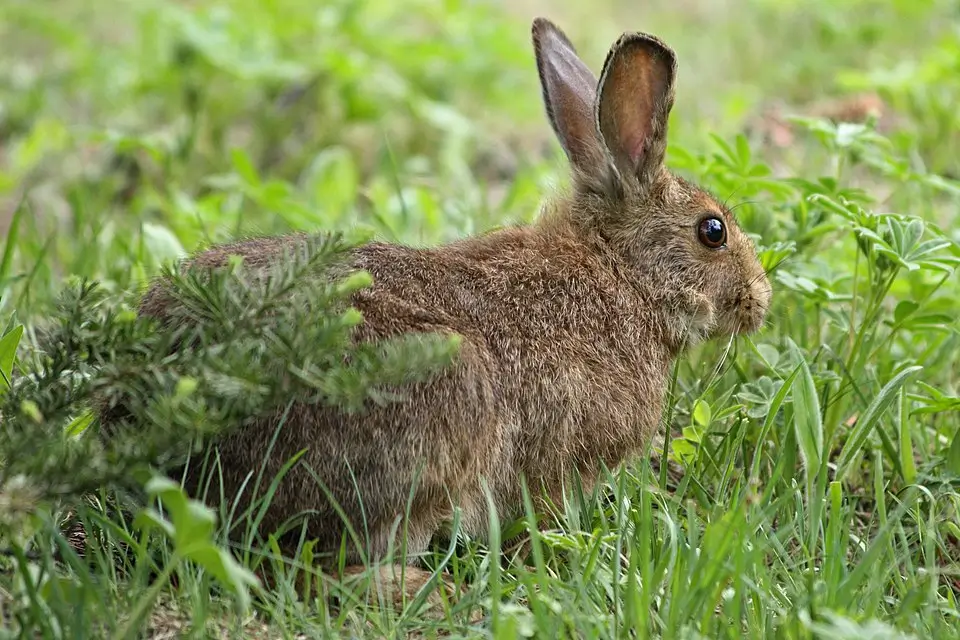
Few animals in North America capture the imagination quite like the snowshoe hare (Lepus americanus). Known for one of the most dramatic physical transformations in the animal kingdom, this medium-sized lagomorph shifts from a rich, earthy brown in summer to a strikingly pure white coat in winter — a seasonal disguise so effective that it has allowed the species to thrive across some of the continent's most challenging cold-weather environments for thousands of years.
The snowshoe hare is a cornerstone species in the ecosystems it inhabits. It serves as a critical food source for a wide array of predators, from Canada lynx and great horned owls to foxes, coyotes, and hawks. Its population cycles — famous among wildlife biologists and naturalists alike — send ripple effects throughout entire forest ecosystems, influencing predator numbers, vegetation dynamics, and the overall health of northern wilderness landscapes. For hunters, naturalists, and outdoor enthusiasts, the snowshoe hare represents both a challenging and rewarding quarry, as well as a fascinating subject of ecological study.
Whether you are a seasoned small game hunter hoping to pursue snowshoe hares through dense boreal thickets, a wildlife photographer seeking to capture that iconic white winter coat against fresh snow, or simply a curious nature lover wanting to learn more about one of North America's most adaptable mammals, this guide will walk you through everything you need to know about the snowshoe hare — from its biology and behavior to its habitat, hunting traditions, and conservation status.
Biological Traits
The snowshoe hare (Lepus americanus) belongs to the family Leporidae and the order Lagomorpha, placing it alongside rabbits and pikas as a distinct group separate from rodents, though they are sometimes confused with them. The "snowshoe" name is not merely a poetic description — it refers directly to the hare's remarkably large hind feet, which are heavily furred and spread wide, functioning almost exactly like the snowshoes used by human travelers in deep winter conditions. These oversized hind feet distribute the animal's weight across the surface of snow, allowing it to move with surprising speed and agility through deep snowpack that would mire other animals of similar size.
Adult snowshoe hares are medium in size, generally weighing between three and four pounds, though individual sizes can vary based on geography and seasonal food availability. Their bodies are compact and muscular, built for explosive bursts of speed and sharp, zigzagging evasive maneuvers when pursued by predators. The hind legs are exceptionally powerful and provide the primary means of locomotion — snowshoe hares can reach speeds of up to 27 miles per hour and execute leaps of considerable distance when startled or threatened.
Perhaps the most celebrated biological feature of the snowshoe hare is its seasonal coat change, a process known as molting. As day length shortens in autumn, hormonal changes triggered by photoperiod — the amount of daylight — prompt a gradual replacement of the brown summer fur with dense, insulating white winter fur. This process reverses in spring as days lengthen again. The white winter coat serves two important functions: thermal insulation against brutal northern winters and camouflage against predators in snow-covered landscapes. The timing of this molt is largely governed by light cycles rather than temperature, which means that in years of early snowfall or late spring snow melt, hares can briefly find themselves conspicuously mismatched against their background — a fascinating quirk of evolutionary timing.
Snowshoe hares are primarily nocturnal and crepuscular, meaning they are most active during the hours around dawn, dusk, and throughout the night. During daylight hours they typically rest in sheltered "forms" — shallow depressions in the ground or under dense brush — where their camouflage provides critical protection. Their diet is largely herbivorous and shifts with the seasons. In summer, snowshoe hares consume grasses, forbs, ferns, and leafy vegetation. In winter, when such foods are buried under snow, they shift to woody browse — the twigs, bark, and buds of shrubs and young trees such as willows, aspens, and birches.
One of the most scientifically intriguing aspects of snowshoe hare biology is their famous population cycle. Roughly every eight to eleven years, snowshoe hare populations in the boreal regions of Canada and the northern United States undergo dramatic boom-and-bust fluctuations. Populations can increase by staggering multiples over a few years, followed by equally dramatic crashes. These cycles are closely linked to food availability, predator pressure, and physiological stress, and they drive corresponding cycles in predator populations — most famously the Canada lynx, which depends so heavily on snowshoe hares that its population tracks the hare cycle with remarkable fidelity. This predator-prey relationship between the snowshoe hare and the Canada lynx is one of the most studied examples of population dynamics in all of ecology.
Reproduction in snowshoe hares is prolific. Females, called does, can produce multiple litters per year, with each litter containing several young called leverets. Unlike rabbit kits, which are born hairless and helpless in underground burrows, snowshoe hare leverets are born fully furred with open eyes and are capable of independent movement within hours. This is characteristic of the genus Lepus and represents an adaptation to the exposed environments where hares typically give birth.
Habitat and Range
The snowshoe hare is one of the most widely distributed mammals in North America. Its range stretches across the boreal forest belt of Canada and extends southward along the Rocky Mountains, the Appalachian Mountains, the Sierra Nevada, and other major mountain ranges that provide suitable cold-climate habitat. The species is well adapted to dense coniferous and mixed forests, where thick understory vegetation provides both food and cover from the abundant predators that share its range.
In the eastern United States, snowshoe hare populations are generally associated with mountainous terrain and higher elevations where climatic conditions approximate those of the northern boreal forests the species favors. Dense stands of young conifers, alder thickets, spruce bogs, and brushy forest edges are classic snowshoe hare habitats. The availability of thick overhead cover — which protects hares from aerial predators and provides concealment from ground hunters — is a key habitat requirement across all parts of the range.
In the context of West Virginia, snowshoe hares represent an interesting edge-of-range population. West Virginia's rugged, heavily forested mountains — including the highlands of Pocahontas, Tucker, Randolph, and surrounding counties — provide pockets of habitat that can support snowshoe hares, particularly at higher elevations where conditions more closely resemble the northern forests the species typically occupies. The state's mountainous character, earned through the same Appalachian ridges and hollows that define much of its identity, creates the mosaic of dense forest and brushy cover that snowshoe hares require.
Hunting Information
Snowshoe hare hunting is a beloved small game tradition across much of North America, cherished both for the culinary quality of the quarry and for the sporting challenge it presents. Pursuing snowshoe hares through dense thickets of young conifers or brushy mountain terrain is physically demanding and genuinely exciting work, especially when a pack of beagles is involved. The classic method of snowshoe hare hunting involves the use of beagles or other hounds to circle hares back toward waiting hunters — a technique that highlights the hare's instinct to run in large loops through familiar home territory rather than running straight away as a rabbit might.
In West Virginia, hunters interested in pursuing snowshoe hare should consult the official West Virginia Hunting Guide published by the West Virginia Division of Natural Resources (WVDNR) for the most current and accurate season dates, bag limits, and licensing requirements. West Virginia offers hunting licenses for both residents and non-residents, and the state has made the purchase of hunting licenses more convenient than ever, with online purchase options available. Prospective hunters are encouraged to review all applicable regulations carefully, as rules can change from season to season.
Given the snowshoe hare's status as an edge-of-range population in West Virginia, hunters should focus their efforts on the higher-elevation mountainous regions of the state, where dense coniferous cover and brushy understory vegetation provide the most suitable habitat. Patience, good footwear for deep mountain terrain, and a willingness to push through thick cover are the hallmarks of a successful snowshoe hare hunt.
As with all hunting in West Virginia, ethical and responsible practices are encouraged. Always obtain the proper licensing, respect private land boundaries, and adhere to all seasons and bag limits as published by the WVDNR.
Conservation
The snowshoe hare is currently listed as a species of Least Concern by conservation authorities, reflecting its broad range and healthy population across most of its North American distribution. The species' remarkable reproductive capacity and adaptability have allowed it to persist across a vast geographic range despite the natural boom-and-bust cycles that periodically drive local populations to very low numbers.
That said, conservation awareness remains important. Habitat loss through deforestation, forest fragmentation, and land use change can reduce the quality and connectivity of snowshoe hare habitat. In the context of climate change, scientists have expressed interest in how shifting snow cover timing may affect the survival of hares caught in transitional coat phases — the brief but potentially dangerous periods when white winter fur is visible against bare ground, or brown summer fur persists against early snow. Research into the evolutionary capacity of hare populations to adjust their molt timing in response to changing climate conditions is ongoing and represents an important area of wildlife science.
For hunters and outdoor enthusiasts in West Virginia and beyond, supporting healthy forest habitat, advocating for science-based wildlife management, and participating in regulated hunting seasons all contribute to the long-term conservation of snowshoe hare populations. The snowshoe hare is a species that rewards careful stewardship — and one that will continue to fascinate and inspire all who encounter it in the wild for generations to come.