Overview
Few animals capture the imagination quite like the red fox. With its iconic russet coat, bushy tail, and sharp, intelligent eyes, Vulpes vulpes is one of the most recognizable and widely admired wild animals in North America. Celebrated in folklore, studied extensively by scientists, and pursued by hunters and trappers for centuries, the red fox occupies a unique place in both natural history and outdoor tradition. In West Virginia — a state defined by its rolling mountains, dense hardwood forests, and rich hunting heritage — the red fox is a fixture of the wild landscape, a creature that embodies the spirit of the backcountry and the enduring appeal of the chase.
This article provides a thorough look at the red fox: its biology, behavior, habitat preferences, and its significance to hunters and wildlife enthusiasts, particularly those in the Mountain State. Whether you are a seasoned hunter, a curious naturalist, or someone new to the outdoors, understanding the red fox deepens your appreciation for one of nature's most adaptable and fascinating predators.
Biological Traits
The red fox, Vulpes vulpes, belongs to the family Canidae — the same family that includes wolves, coyotes, and domestic dogs. It holds the distinction of being the largest of the true foxes (genus Vulpes) and boasts the widest geographic range of any wild canid on Earth.
Physical Appearance
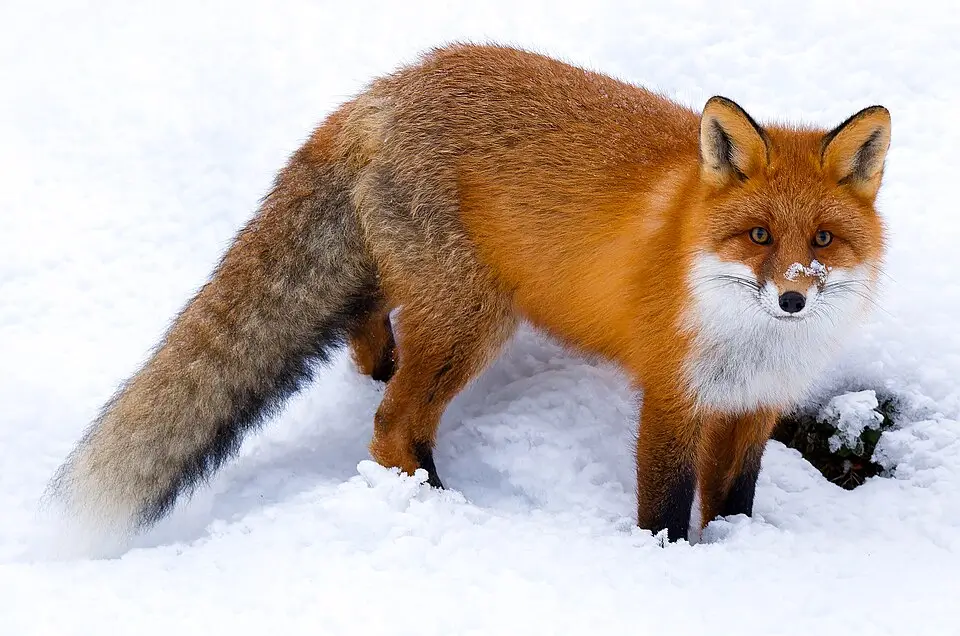
The red fox is most immediately recognized by its brilliant reddish-orange fur, which covers the upper body, flanks, and most of the face. The underparts — chin, chest, and belly — are typically white or pale, and the lower legs and feet are often marked with black. The tail, known as a "brush," is long, thick, and magnificently fluffy, usually tipped with white. This bushy tail serves multiple functions: it helps the fox balance during quick maneuvers, provides warmth during cold nights, and is used for communication with other foxes.
However, not all red foxes wear the classic red coat. Color morphs are well documented in this species, including the "cross fox," which displays a darker stripe running across the shoulders and down the back, and the striking "silver fox," which is melanistic and appears black with silver-tipped guard hairs. These natural color variations occur across the species' range, including in the eastern United States.
Adult red foxes are medium-sized animals, generally slender and athletic in build. They possess pointed, upright ears that are highly mobile and capable of detecting sounds at great distances. Their eyes feature vertically elliptical pupils — a trait that enhances their vision in low-light conditions and contributes to their effectiveness as crepuscular and nocturnal hunters. The muzzle is long and narrow, well suited for sniffing out prey concealed beneath snow, leaf litter, or soil.
Senses and Intelligence
The red fox is widely regarded as one of the most intelligent of all wild canids. It possesses acute senses of hearing, smell, and vision, and is capable of problem-solving and adaptive behavior that continues to impress researchers. A fox's hearing is sensitive enough to detect the movement of small rodents underground, and its olfactory capabilities are used not only for hunting but also for social communication through scent marking.
Diet and Feeding Behavior
Red foxes are opportunistic omnivores with a remarkably flexible diet. Their preferred prey includes small mammals such as mice, voles, rabbits, and squirrels, but they will readily consume birds, eggs, insects, earthworms, berries, fruits, and carrion. This dietary flexibility is one of the key reasons the red fox thrives in such a broad variety of environments. Their hunting technique is notable: a fox will often stop, listen intently, and then perform a dramatic leaping pounce — launching itself into the air and diving nose-first into grass or snow to pin prey beneath its forepaws.
Reproduction and Social Structure
Red foxes are generally monogamous during the breeding season. Mating typically occurs in late winter, and after a gestation period of approximately 51 to 53 days, the vixen (female) gives birth to a litter of pups, commonly ranging from four to six individuals, though larger litters are possible. Pups are born blind and helpless in underground dens and are cared for by both parents. By midsummer, young foxes are learning to hunt and will typically disperse in the fall to establish their own territories. Red foxes are largely solitary outside of the breeding and pup-rearing season, each individual maintaining a home range that it marks and defends through scent marking and vocalizations.
Vocalizations
One of the more surprising aspects of red fox biology is the diversity of sounds they produce. Unlike many other canids, red foxes are capable of a wide variety of vocalizations, including barks, yelps, and the distinctive high-pitched scream that can be startling when heard at night in the forest. These vocalizations play important roles in communication between individuals, especially during the breeding season.
Habitat & Range
Vulpes vulpes holds the remarkable distinction of being the most widely distributed wild carnivore on Earth. Its native range spans much of the Northern Hemisphere, including North America, Europe, Asia, and North Africa. In North America, the red fox is found from Alaska and northern Canada down through the contiguous United States, though its distribution is not perfectly uniform — it tends to favor edge habitats and areas with a mosaic of cover types rather than unbroken dense forest or open grassland.
In West Virginia, the red fox is well at home. The state's landscape — characterized by the Appalachian Mountains, mixed hardwood forests, river valleys, open meadows, and agricultural land — provides an ideal combination of habitat types for this adaptable predator. Red foxes thrive in areas where forest edges meet open land, where fields and woodlots intermingle, and where small mammal prey is abundant. The farmlands of the eastern panhandle, the rolling hills of the southern coalfields, and the highland plateaus of Pocahontas and Randolph counties all offer suitable red fox habitat.
Red foxes are notably comfortable in proximity to human habitation. They frequently inhabit suburban and even semi-urban environments, taking advantage of the food resources and shelter opportunities that human-altered landscapes provide. This adaptability has allowed the red fox to thrive even as land use patterns have changed dramatically over the past century.
Hunting Information
Hunting the red fox is a time-honored tradition across the eastern United States, and West Virginia is no exception. Fox hunting — whether through traditional hound-running, rifle hunting, calling, or trapping — is a pursuit that demands knowledge of the animal's habits, patience, and woodsmanship.
Fox Hunting Traditions
One of the oldest and most beloved forms of fox hunting in Appalachia is the practice of running foxes with hounds. Hunters release trained hounds into likely fox country and listen as the dogs work out the trail, their voices carrying through the still night air. For many participants, the pleasure lies as much in the music of the hounds and the camaraderie around the fire as in any harvest. This tradition remains a meaningful part of rural culture in West Virginia and the broader Appalachian region.
For hunters who prefer spot-and-stalk or calling methods, the red fox presents an exciting challenge. Electronic and mouth-blown predator calls that mimic the distress cries of rabbits or mice can be extremely effective at drawing foxes within range, particularly during the winter months when food is scarcer and foxes are more actively hunting.
Licensing and Regulations
Hunters and trappers wishing to pursue red fox in West Virginia should consult the official West Virginia Hunting Guide for current licensing requirements, season dates, and regulations. The West Virginia Division of Natural Resources manages hunting and trapping seasons, and purchasing the appropriate license is both a legal requirement and a direct contribution to wildlife conservation funding in the state. Licenses can be purchased conveniently through state-authorized channels, and the West Virginia Hunting Guide provides all the information a first-time or returning hunter needs to get started legally and safely.
Because regulations can change from season to season, it is always recommended that hunters verify current rules directly with the West Virginia Division of Natural Resources before heading afield.
Calling and Hunting Techniques
When calling red foxes, hunters typically set up at the edge of fields or along brushy fence lines where foxes are known to travel. Calling sessions are most productive in the early morning or late evening hours, aligned with the fox's natural activity patterns. Patience and scent control are important — foxes are sharp-nosed animals and will readily detect and avoid human odor. Camouflage and remaining motionless once set up greatly increase the odds of bringing a fox close enough for a clean shot.
Conservation
The red fox is currently listed as a species of Least Concern by the International Union for Conservation of Nature (IUCN), reflecting its broad range, large population, and remarkable adaptability. Populations are generally stable across North America, and the species has demonstrated a notable ability to adjust to changing landscapes and human pressures.
In West Virginia, as in other states, regulated hunting and trapping seasons are managed to ensure sustainable harvest levels. The state's wildlife management framework is designed to balance the interests of hunters and trappers with the long-term health of predator populations and the broader ecosystem. Fox populations play an important role in controlling populations of small rodents and rabbits, contributing to the ecological balance of the habitats they occupy.
Public interest in wildlife observation and non-consumptive outdoor recreation also benefits from healthy fox populations, as red foxes are among the most charismatic and visible of wild predators. Their presence in forests, fields, and even suburban green spaces provides countless opportunities for wildlife watching and photography.