Overview
Few animals have shaped the North American landscape as profoundly as the North American beaver (Castor canadensis). From the forested highlands of Appalachia to the sweeping river systems of the Great Plains, this industrious mammal has played a central role in defining the continent's ecology for thousands of years. As the largest rodent native to North America and one of only two living species in the family Castoridae, the beaver occupies a unique and irreplaceable niche in the natural world. Its remarkable ability to modify aquatic environments has earned it the well-deserved title of "nature's engineer," and its presence — or absence — in any given watershed can have cascading effects on virtually every other species sharing that habitat.
In West Virginia, a state celebrated for its rugged mountains, winding rivers, and rich hunting heritage, the North American beaver is a familiar and valued part of the wildlife community. The Mountain State's network of streams, hollows, and forested bottomlands provides ideal conditions for beaver populations to thrive. Whether you're a wildlife enthusiast drawn to the sound of rushing water and the sight of a freshly gnawed tree stump, or a hunter seeking a challenging and rewarding fur-bearing quarry, understanding the biology, behavior, and ecology of Castor canadensis is essential to appreciating this extraordinary animal.
Biological Traits
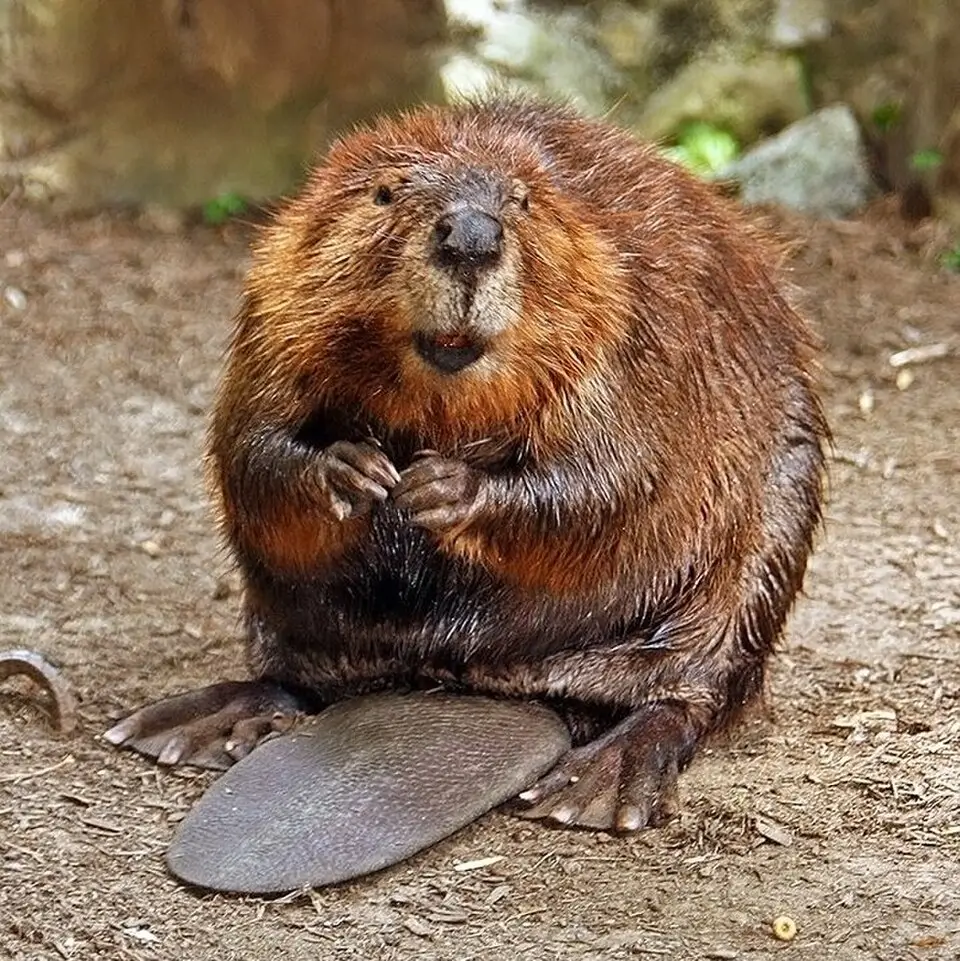
The North American beaver is built for life in and around the water, and virtually every aspect of its anatomy reflects that aquatic lifestyle. As the largest rodent on the continent, adult beavers are substantial animals, typically weighing between 35 and 65 pounds at maturity, though exceptionally large individuals can exceed that range. Their bodies are compact and powerful, covered in a dense, layered coat of fur — a soft, insulating underfur beneath a layer of longer, coarser guard hairs. This fur provides excellent waterproofing and insulation, allowing beavers to remain active even in cold water temperatures that would be dangerous for most mammals.
Among the beaver's most recognizable features is its broad, flat, scaly tail. This remarkable appendage serves multiple purposes: it acts as a rudder during swimming, helps the beaver maintain balance while standing upright to gnaw on trees, and is used to deliver the iconic loud slap on the water's surface that warns fellow beavers of potential danger. The beaver's large, webbed hind feet propel it efficiently through the water, while its smaller front paws are surprisingly dexterous, used to manipulate branches, mud, and other building materials with considerable precision.
The beaver's most celebrated tools are its large, chisel-like incisor teeth, which are coated with a distinctive orange enamel rich in iron compounds that contributes to their exceptional hardness. These self-sharpening teeth grow continuously throughout the animal's life and are capable of felling trees several inches in diameter. Beavers are primarily nocturnal, though they may be seen active during the early morning and evening hours, particularly in areas where they feel secure from predators.
Beavers are monogamous and typically mate for life. Family units, called colonies, generally consist of an adult breeding pair and their offspring from the current and previous year. Young beavers, known as kits, are born in late spring or early summer after a gestation period of roughly three months. Kits are precocial — born fully furred with eyes open — and are swimming within days of birth. Most young beavers disperse from the family colony at around two years of age to establish their own territories.
The beaver's diet is entirely herbivorous. During warmer months, they consume a wide variety of aquatic and terrestrial vegetation, including grasses, sedges, water lilies, and the leaves and bark of deciduous trees. As winter approaches, beavers engage in intensive food-caching behavior, cutting branches and anchoring them underwater near the lodge entrance to provide a readily accessible food supply beneath the ice during the cold months.
Habitat & Range
Castor canadensis has one of the broadest ranges of any North American mammal, historically occupying virtually every forested watershed on the continent outside of desert regions and the far northern Arctic. Today, following dramatic population recoveries from historical over-trapping, the species is once again widely distributed across Canada, the United States, and into northern Mexico.
The beaver is fundamentally a riparian species, meaning it is closely tied to rivers, streams, ponds, and wetland systems. It shows a strong preference for slow-moving or still water with abundant woody vegetation in the surrounding landscape. Beavers are most commonly found along smaller streams and rivers where they can effectively dam the water flow, creating the deep, still ponds that protect their lodges and food caches from predators and winter freeze.
The transformation that beavers bring to their habitat is extraordinary in scope. By felling trees and constructing dams from logs, branches, mud, and stones, they convert free-flowing streams into complex wetland systems. These beaver-created wetlands dramatically increase local biodiversity, providing habitat for waterfowl, amphibians, fish, songbirds, and countless invertebrate species. The ponds also raise the local water table, reduce downstream flooding, filter sediment, and increase water retention across the landscape — ecological services of enormous value.
In West Virginia, the beaver finds an ideal home across the state's many mountain streams, bottomland rivers, and forested valleys. The state's terrain — characterized by the ridges and hollows of the Appalachian Mountains and the broad river valleys of the Ohio and Kanawha river systems — supports healthy beaver populations. The availability of riparian hardwood forest, particularly species such as aspen, willow, birch, and poplar that beavers favor both for food and construction material, makes West Virginia's watersheds productive beaver habitat. The state's rural character and extensive public lands further support the species' continued presence throughout the region.
Hunting Information
The North American beaver has been one of North America's most historically significant fur-bearing animals. The demand for beaver fur — particularly for the manufacture of felt hats — drove much of the early European exploration and settlement of the continent during the 17th, 18th, and early 19th centuries. Beaver pelts remain commercially valuable today, and trapping and hunting beaver continues as a legal, regulated activity throughout much of its range, including in West Virginia.
In West Virginia, beaver is classified as a fur-bearing animal and is subject to the state's hunting and trapping regulations as managed by the West Virginia Division of Natural Resources (WVDNR). Hunters and trappers interested in pursuing beaver in the Mountain State should consult the official West Virginia Hunting Guide and purchase the appropriate licenses and permits through the WVDNR's licensing system. The state provides convenient online and in-person options for purchasing hunting and trapping licenses, and the process has been streamlined in recent years to be more accessible than ever for both residents and non-residents.
Beaver trapping is the most common and traditional method of harvest, with leg-hold traps and body-gripping (conibear-style) traps set along runs, near dam structures, or at feed piles being the standard approaches. Some hunters also pursue beaver by stalking and calling during legal shooting hours. Because of the beaver's largely nocturnal habits and its tendency to remain close to water, successful harvest typically requires patience, woodsmanship, and a solid understanding of the animal's behavior and habitat use patterns.
For those new to hunting in West Virginia, the state's WVDNR provides a wealth of resources, including a dedicated guide for first-time hunters visiting the Mountain State. Purchasing a valid West Virginia hunting license is the essential first step for anyone wishing to pursue beaver or any other game species in "Almost Heaven." The WVDNR encourages all hunters to familiarize themselves with current regulations before heading afield, as season dates, bag limits, and licensing requirements are subject to change.
Conservation
The story of the North American beaver is, in many respects, one of conservation's great success stories. By the early 20th century, centuries of intensive fur trapping had reduced beaver populations across much of their range to critically low levels, with local extinctions occurring throughout large portions of the eastern United States, including in Appalachia. Through coordinated reintroduction programs, regulated trapping, and habitat protection efforts, beaver populations rebounded dramatically across the continent during the 20th century.
Today, Castor canadensis is listed as a species of Least Concern by the International Union for Conservation of Nature (IUCN), a testament to the success of North American wildlife management practices. Sustainable trapping, regulated by state and provincial wildlife agencies, continues to play an important role in managing beaver populations and ensuring that conflicts between beavers and human land uses — such as flooded agricultural land or damaged timber — are addressed responsibly.
The ecological role of the beaver in maintaining healthy watershed ecosystems has gained increasing recognition among scientists, land managers, and conservationists in recent decades. Beaver-created wetlands sequester carbon, improve water quality, support biodiversity, and increase landscape resilience to drought. In West Virginia and across Appalachia, there is growing appreciation for the beaver not just as a game species, but as a keystone ecological engineer whose activities benefit the entire community of life in the region's mountains and streams.