Overview
In the vast tapestry of North American wildlife, few creatures capture the imagination quite like the least weasel (Mustela nivalis). Despite holding the title of the world's smallest carnivore, this remarkable little predator punches far above its weight class in terms of ferocity, agility, and ecological importance. Found across a sweeping range that spans multiple continents, the least weasel is a testament to the incredible efficiency of nature's design. Whether you are a wildlife enthusiast, a naturalist, or an outdoor sportsman exploring the hills and hollows of West Virginia, understanding the least weasel offers a fascinating window into the complex web of life that thrives in North America's wildlands.
Small enough to fit in the palm of a hand yet bold enough to take down prey many times its own size, Mustela nivalis has earned its place as one of the most extraordinary members of the family Mustelidae — a family that also includes otters, badgers, minks, and their larger weasel cousins. This article explores the biology, behavior, habitat, and conservation status of the least weasel, with particular attention to how this species fits into the rich outdoor heritage of West Virginia, one of the most biodiverse states in the eastern United States.
Biological Traits
The least weasel, Mustela nivalis, belongs to the order Carnivora and the family Mustelidae. It is universally recognized as the smallest living member of the order Carnivora, a distinction that makes it biologically unique among all meat-eating mammals on Earth. Its scientific name, nivalis, comes from the Latin word for "snow," a nod to the animal's remarkable ability to turn white in winter in many northern populations — a seasonal adaptation known as seasonal pelage change, or molting.
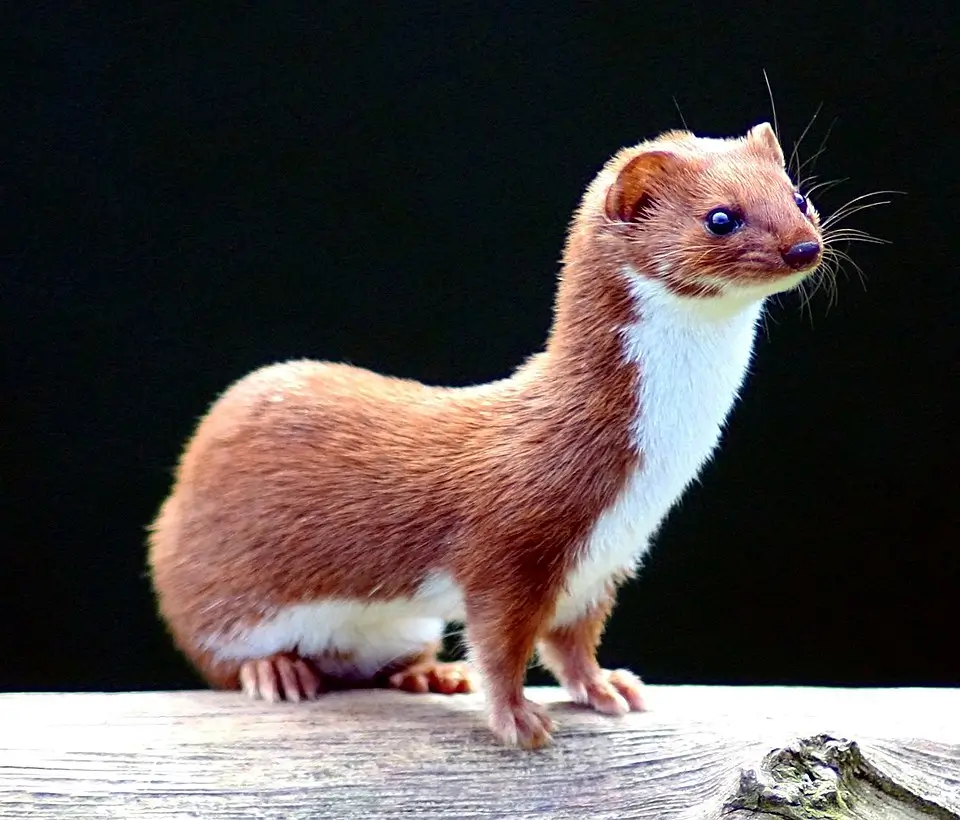
In its summer coat, the least weasel displays a chestnut-brown dorsal surface with a creamy white or pale yellow underside. The line dividing these two colors tends to be irregular, which distinguishes it from some of its close relatives. In colder climates and higher latitudes, individuals undergo a dramatic winter transformation, turning almost entirely white to blend seamlessly with snow-covered landscapes. This camouflage serves dual purposes: it helps the weasel ambush prey and simultaneously helps it avoid predators such as raptors, foxes, and larger mustelids.
Despite its diminutive stature — with body lengths typically ranging between 11 and 26 centimeters and weights that can be as low as 25 grams in the smallest individuals — the least weasel is a highly effective and aggressive predator. Its slender, elongated body is perfectly engineered to pursue prey through narrow underground tunnels and burrows, a hunting strategy that sets it apart from most other carnivores. The skull is long and flattened, the neck is flexible and powerful, and the legs are short but muscular, all contributing to the animal's ability to move with remarkable speed and precision in tight spaces.
The least weasel's diet consists primarily of small rodents, with voles and mice making up the bulk of its nutritional intake. However, it is also known to hunt shrews, small birds, bird eggs, frogs, and insects when mammalian prey is scarce. What is particularly astonishing is the prey-to-predator size ratio: a least weasel may regularly take down prey equal to or exceeding its own body weight. It delivers a precise, lethal bite to the back of the skull — a technique honed through millions of years of evolutionary refinement.
Reproduction in the least weasel is notably flexible. In favorable conditions, females may produce multiple litters per year, with each litter typically containing between three and seven young. This high reproductive rate allows populations to track closely with the boom-and-bust cycles of their rodent prey, surging in numbers when food is plentiful and declining when prey populations crash. Young weasels, called kits, are born blind and helpless but grow rapidly, becoming capable hunters within a matter of weeks. The mother alone raises the young, as least weasels are primarily solitary animals outside of the brief mating season.
Like many mustelids, the least weasel possesses scent glands that produce a strong musky odor used for territorial marking and communication. Its senses are finely tuned, with acute hearing and a well-developed sense of smell that compensate for eyesight that, while adequate, is not the animal's primary hunting tool. Their high metabolic rate means they must eat frequently — consuming roughly a third of their body weight in food each day — making them relentless hunters that are active both day and night.
Habitat & Range
The least weasel boasts one of the most expansive geographic ranges of any terrestrial carnivore. It is native to Europe, Asia, and North America, and has been introduced to New Zealand. Across this vast range, it occupies an extraordinary variety of habitats, demonstrating a behavioral and physiological flexibility that few predators can match.
In North America, the least weasel is found from Alaska and Canada southward through the northern United States, with populations extending into the Appalachian Mountains. This Appalachian range brings the species into the rugged terrain of states like West Virginia, where the mountainous landscape, dense forests, and abundant small mammal communities provide ideal conditions for this tiny predator.
Within its range, the least weasel is not particularly selective about habitat type, provided that sufficient prey is available. It thrives in open grasslands, agricultural fields, forest edges, mixed woodlands, meadows, marshes, and hedgerows. In West Virginia, the patchwork of forested ridges, river valleys, farmland, and upland meadows creates a mosaic of habitats well-suited to supporting least weasel populations. The state's abundant rodent populations — including numerous species of voles, mice, and shrews — provide a reliable and diverse prey base for this efficient little hunter.
The least weasel does not dig its own burrows but instead takes advantage of the tunnel systems created by its prey. It may occupy the same burrow in which it has just captured and consumed a rodent, lining a nest chamber with the fur of its victims to create a warm, insulated den. Home ranges vary considerably depending on prey availability, sex, and season, with males typically maintaining larger territories than females.
Hunting Information
When it comes to hunting the least weasel in West Virginia, it is important for all prospective hunters and wildlife observers to consult the official West Virginia Hunting Guide published by the West Virginia Division of Natural Resources. West Virginia's hunting regulations are detailed and regularly updated, and the official guide covers licensing requirements, seasons, and legal methods of take for all regulated species in the state.
The West Virginia Hunting Guide notes that purchasing a hunting or fishing license is more convenient than ever before, with both resident and non-resident licenses available for purchase. The state takes pride in welcoming hunters of all experience levels, including those who are visiting "Almost Heaven" — as West Virginia is affectionately known — for the very first time. The guide encourages first-time hunters to read all relevant regulations thoroughly before heading into the field.
It is worth noting that the least weasel is a small, swift, and largely secretive animal that is rarely encountered by hunters in the field, primarily because of its size and nocturnal tendencies. Hunters and trappers operating in West Virginia should be familiar with regulations pertaining to non-target species and ensure that all activities comply with current state law. Anyone seeking to specifically pursue or trap least weasels or any small predators in West Virginia should contact the West Virginia Division of Natural Resources directly for the most accurate and current regulatory information, as specific season dates and license requirements were not detailed in the available source data for this species.
Conservation
The least weasel is currently classified as a species of Least Concern on the International Union for Conservation of Nature (IUCN) Red List, reflecting its wide distribution, adaptable nature, and generally stable populations across most of its range. However, like many small predators, the least weasel faces localized pressures that deserve attention from conservationists and wildlife managers alike.
Habitat loss and fragmentation represent the most significant long-term threats to least weasel populations. As agricultural practices intensify and natural landscapes are converted to developed land, the hedgerows, field margins, and mixed habitat corridors that least weasels depend upon can be reduced or eliminated. The decline of small mammal prey populations, often linked to the use of rodenticides in agricultural settings, can also have cascading negative effects on least weasels and other small predators that rely on rodents as their primary food source.
In West Virginia, the conservation of the least weasel is inherently linked to the broader health of the state's ecosystems. West Virginia's extensive public lands, including national forests, state parks, and wildlife management areas, provide protected habitat where least weasels and their prey can thrive with minimal human disturbance. The state's mountainous terrain has also historically limited large-scale agricultural development in many areas, preserving the natural landscapes that support diverse wildlife communities.
From an ecological standpoint, the least weasel plays an important role as a predator of small rodents, helping to regulate populations that could otherwise grow to pest-level densities. This natural pest control service benefits farmers, foresters, and landowners, making the least weasel a valuable, if often overlooked, component of healthy ecosystems.
Conservation efforts that protect grasslands, maintain diverse forest structures, reduce the use of second-generation rodenticides, and preserve habitat connectivity all contribute to the long-term well-being of least weasel populations. Citizen science programs and wildlife monitoring initiatives can help track population trends and identify areas where additional conservation attention may be warranted.