Overview
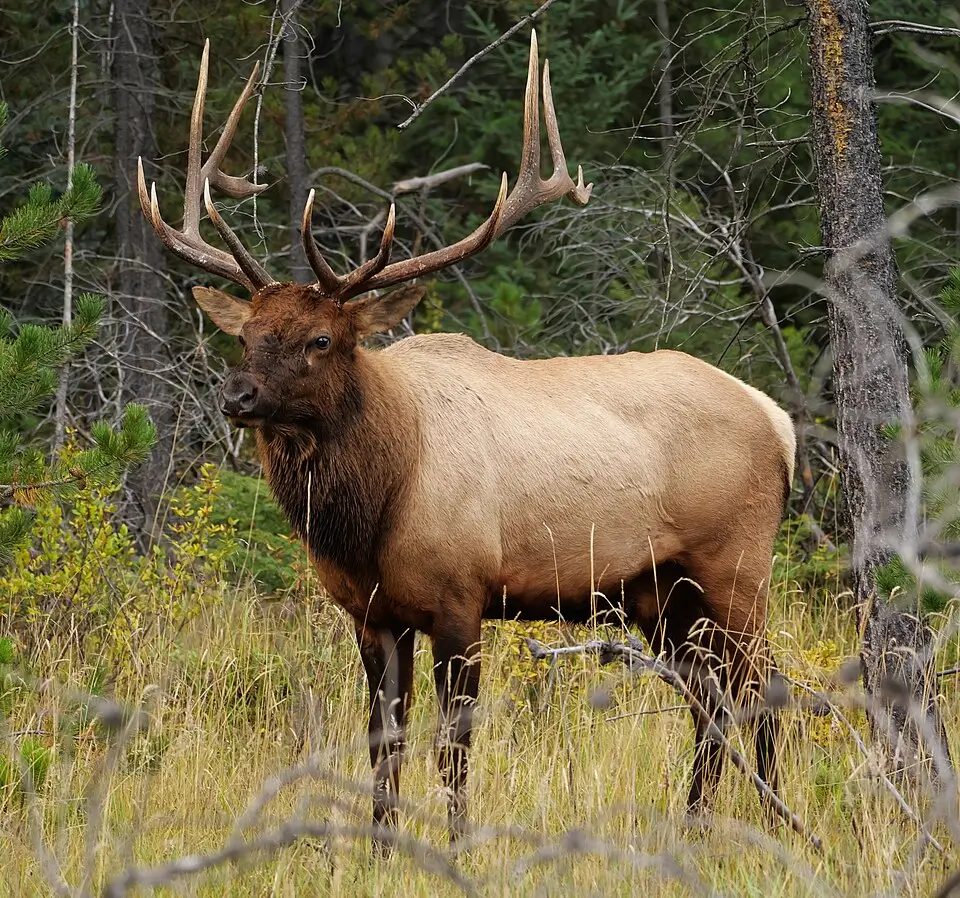
Few animals capture the imagination of hunters, wildlife enthusiasts, and outdoor adventurers quite like the American elk. Known scientifically as Cervus canadensis, the elk is one of the largest members of the deer family (Cervidae) and one of the most iconic large mammals in North America. With its sweeping antlers, bugling call that echoes through mountain valleys, and impressive muscular frame, the elk represents a symbol of wild America in its most majestic form.
For West Virginia — the Mountain State, known affectionately as "Almost Heaven" — the story of elk is one of both historical loss and hopeful restoration. The rugged ridges, dense hardwood forests, and remote hollows of this landlocked Appalachian state once provided prime habitat for elk populations. Over time, habitat change and unregulated harvest led to the species' disappearance from the region. Today, elk are making a quiet but meaningful comeback in parts of the eastern United States, and West Virginia's landscape is once again drawing attention as potentially suitable terrain for these magnificent animals.
Whether you are a hunter considering a future elk pursuit, a wildlife watcher hoping to catch a glimpse of a bull in his prime, or simply a nature enthusiast curious about this grand species, this guide will walk you through everything you need to know about elk — their biology, their range, their behavior, and their place in West Virginia's wild heritage.
Biological Traits
The elk, Cervus canadensis, is a member of the order Artiodactyla, the even-toed ungulates, and belongs to the family Cervidae alongside white-tailed deer, moose, and caribou. It is one of the largest land mammals in North America, with adult bulls commonly exceeding 700 pounds and standing over four and a half feet at the shoulder. Cows are notably smaller, though still impressively sized compared to most other deer species.
One of the most distinctive features of the elk is its antlers, which are grown exclusively by males. Unlike the bones of the body, antlers are among the fastest-growing biological tissues known to science, capable of growing an inch or more per day during peak development in summer. By the time the rut arrives in late summer and early fall, a mature bull's antlers can span five feet or more and weigh upward of 40 pounds. After the rut, bulls shed their antlers and the cycle begins again the following spring.
The bull's famous bugle is another defining characteristic of the species. This haunting, multi-toned vocalization serves as both a challenge to rival bulls and an advertisement to receptive cows during the breeding season. The rut typically occurs in late September through October, during which bulls become highly active, aggressive, and vocal. Hunters and wildlife observers alike treasure the opportunity to hear and witness this spectacle.
Elk are herbivores with broad dietary flexibility. They graze on grasses, sedges, and forbs during the warmer months, shifting toward browsing on shrubs, bark, and woody vegetation as winter arrives and snow covers available forage. This dietary adaptability is one reason the species can occupy such a wide variety of ecosystems.
Elk are also highly social animals. Cows and calves typically form nursery herds, while bulls tend toward more solitary or bachelor group arrangements outside of the rut. Calves are born in late spring, usually as single offspring, and are spotted at birth — a characteristic that provides camouflage in dappled forest light during their most vulnerable weeks of life.
The lifespan of an elk in the wild typically ranges from 10 to 13 years, though individuals in protected or low-predation environments can live longer. Their senses of smell, hearing, and vision are all well-developed, making them both challenging and rewarding quarry for hunters.
Habitat & Range
Historically, elk ranged across a vast swath of North America, from the Atlantic Coast to the Pacific, and from southern Canada down through the Rocky Mountains and into parts of the American Southwest. The species was once present throughout the Appalachian region, including in the mountains and valleys of what is now West Virginia.
Today, the largest and most well-established elk populations in North America are found in the Rocky Mountain states, including Colorado, Wyoming, Montana, Idaho, and Utah. These western landscapes — with their open meadows, aspen groves, subalpine forests, and montane grasslands — provide ideal year-round habitat for large herds.
In the eastern United States, elk reintroduction efforts have made significant progress in states such as Kentucky, Tennessee, Pennsylvania, and Virginia. West Virginia, situated in the heart of the Appalachian Mountains, shares many landscape characteristics with its neighbors where elk restoration has taken hold. The state's terrain — characterized by rolling ridgelines, dense hardwood forests, river bottoms, and remote reclaimed mine lands — can offer suitable foraging, cover, and movement corridors for elk.
Elk generally prefer habitat at the interface of open feeding areas and forested cover. They are crepuscular by nature, meaning they are most active at dawn and dusk, and they tend to move from forest edges and treelines to open meadows and fields during these low-light periods. Elevation plays an important role in their seasonal movements; many populations migrate to higher elevations in summer and descend to lower, more sheltered terrain in winter.
West Virginia's geography, with its mountain peaks, river valleys, and large tracts of public land including portions of the Monongahela National Forest, provides a landscape that could meaningfully support elk if population restoration efforts were to expand further into the state.
Hunting Information
Elk hunting is widely regarded as one of the most demanding and rewarding pursuits in North American hunting culture. It requires physical fitness, patience, woodsmanship, and a deep respect for wild country. Whether pursued by rifle, archery equipment, or muzzleloader, elk hunting demands preparation and dedication.
At the time of this writing, West Virginia does not have an established elk hunting season with published season dates or specific license structures for elk. Hunters in West Virginia interested in pursuing elk should consult the West Virginia Hunting Guide and the West Virginia Division of Natural Resources (WVDNR) for the most current and accurate information regarding licenses, seasons, and regulations. The state's official hunting resources note that purchasing a hunting or fishing license in West Virginia is more convenient than ever, with options available for both residents and non-residents.
For West Virginia hunters who wish to pursue elk, many choose to apply for tags in western states through lottery or preference point systems. States like Colorado, Wyoming, Montana, and New Mexico offer elk hunting opportunities through draw systems, and building preference points over multiple years can eventually result in a coveted tag. Some states also offer over-the-counter bull tags in certain units, making them accessible options for hunters willing to do their research.
When hunting elk, whether in the West or in eastern reintroduction zones, the general principles remain consistent. Scouting is critical — understanding travel corridors, feeding areas, water sources, and bedding zones dramatically increases success rates. During the rut, calling elk with cow calls, bugles, and estrus sequences can draw bulls into range. Outside the rut, a more methodical, low-impact approach focused on locating fresh sign and intercepting animals on their natural travel routes tends to be most effective.
West Virginia hunters planning an out-of-state elk trip are encouraged to research state-specific regulations thoroughly, hire a reputable guide or outfitter for their first elk hunt if possible, and prepare physically for the demanding terrain that elk country typically involves.
Conservation
The conservation story of the American elk is one of the great wildlife management successes of the twentieth and twenty-first centuries. Once severely reduced in range and number due to market hunting and habitat loss in the 1800s and early 1900s, elk populations have rebounded significantly thanks to science-based wildlife management, regulated hunting, and reintroduction programs.
Hunter-funded conservation has played a central role in this recovery. Organizations such as the Rocky Mountain Elk Foundation have invested hundreds of millions of dollars in habitat protection, land acquisition, and elk restoration projects across North America. Excise taxes on hunting equipment, collected through the Federal Aid in Wildlife Restoration Act (commonly known as the Pittman-Robertson Act), have funded critical wildlife management programs at the state level for decades.
In the eastern United States, ongoing reintroduction efforts are gradually restoring elk to portions of their historical range. West Virginia's neighboring states provide compelling examples of what sustained conservation commitment can achieve — Kentucky's elk herd, reintroduced beginning in the late 1990s, has grown to become the largest in the eastern United States.
For West Virginia, the presence of vast stretches of suitable public and private land, combined with a strong culture of wildlife stewardship and outdoor tradition, positions the state as a meaningful player in the broader story of eastern elk restoration. Hunters, landowners, conservation organizations, and wildlife agencies all have roles to play in ensuring that this iconic species continues to thrive.
Whether you are planning your first elk hunt, advocating for wildlife habitat in your community, or simply pausing to appreciate the bugle of a bull elk drifting across an autumn ridge, the elk represents the enduring promise of wild America — and the rewards of dedicated conservation for generations to come.