Overview
Few birds command attention quite like the Canada goose. Whether you are standing at the edge of a quiet mountain lake, walking through a city park, or scanning the sky on a crisp autumn morning, the sight and sound of a Canada goose — or a V-formation of dozens — is one of North America's most iconic wildlife experiences. With their distinctive black-and-white head markings, resonant honking calls, and remarkable adaptability, Canada geese have woven themselves into the fabric of North American outdoor culture in a way few other birds have managed.
For hunters and wildlife enthusiasts alike, the Canada goose represents both a conservation success story and one of the most rewarding waterfowl pursuits on the continent. In West Virginia — a state defined by its rugged Appalachian character, rolling mountain terrain, and passionate outdoor heritage — the Canada goose holds a special place in the hunting tradition. Whether you are a seasoned waterfowler or a first-time hunter exploring the possibilities of "Almost Heaven," understanding this remarkable bird is the first step toward a successful and responsible time in the field.
This guide draws on the best available biological and general knowledge about the species, alongside the hunting culture and landscape of West Virginia, to give you a thorough introduction to Branta canadensis — the Canada goose.
Biological Traits
The Canada goose, known scientifically as Branta canadensis, belongs to the family Anatidae — the large and diverse group that encompasses all ducks, geese, and swans. Within this family, the genus Branta includes several species of "black geese," but the Canada goose is by far the most widely recognized and widely distributed member.
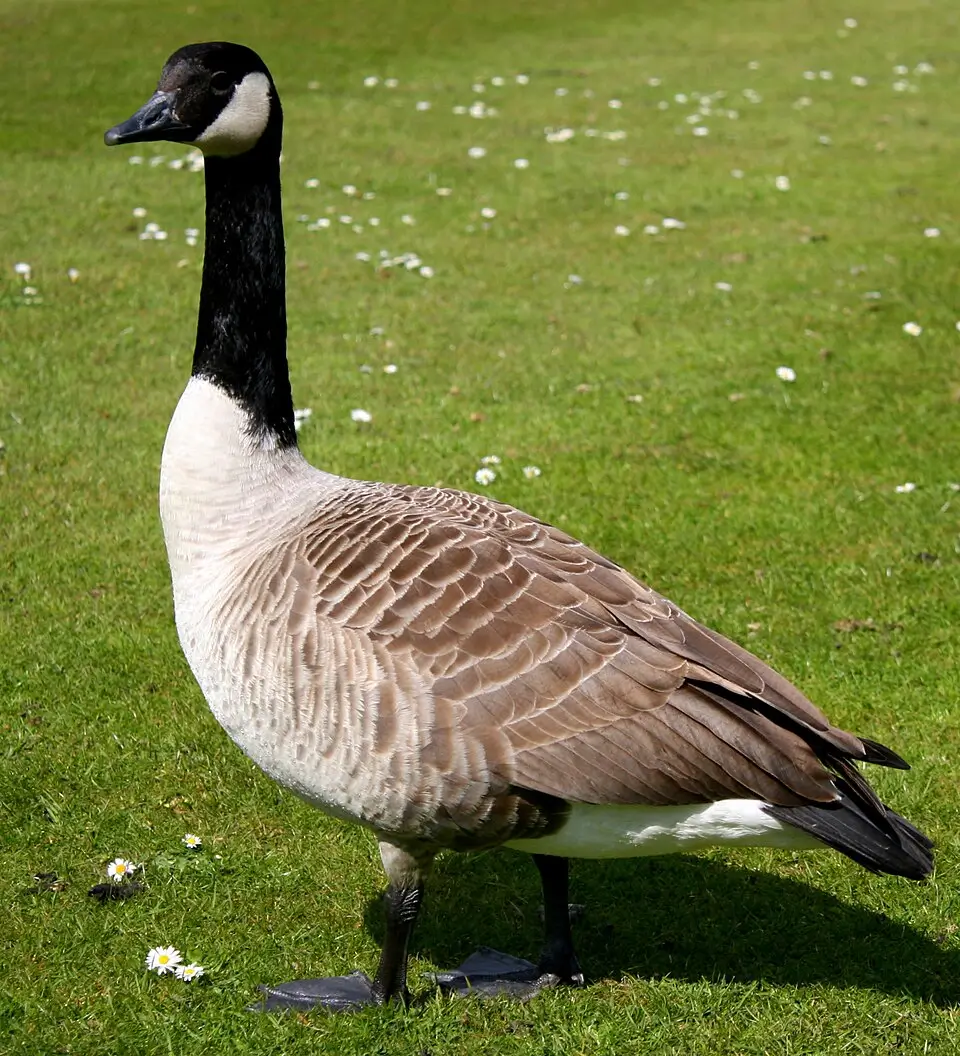
Physically, the Canada goose is a large, robust bird. Adults are characterized by their long black neck and head, which contrast sharply with a prominent white chin patch and cheek patch that extends from the throat up toward the eyes. The body plumage ranges from brownish-gray on the back and wings to a lighter, often whitish or buff-colored breast and belly. The tail is dark, and a white patch at the base of the tail is especially visible in flight.
One of the most fascinating aspects of Branta canadensis is the sheer breadth of size variation across its numerous subspecies. The species encompasses multiple recognized subspecies ranging from the comparatively small Cackling goose-like forms to the large Giant Canada goose (Branta canadensis maxima), which is among the largest waterfowl species in North America. Adult birds can weigh anywhere from just a few pounds in smaller subspecies to over 20 pounds in the largest individuals of the Giant Canada goose, making them a genuinely impressive animal in the field.
Canada geese are highly social birds. They are well known for traveling in large flocks, particularly during migration, and for their famous V-formation flight pattern, which is believed to reduce wind resistance for trailing birds and conserve energy over long migratory journeys. Their calls — a resonant, two-syllable honk — serve as communication between flock members, alerting the group to danger, signaling direction changes, and maintaining contact during flight.
These birds are also known for their strong pair bonds and devoted family structure. Canada geese typically mate for life, and pairs often return together to the same nesting areas year after year. Nesting typically begins in early spring, with the female selecting a nest site — usually near water — and constructing a nest of grass, moss, and down. Clutch sizes generally range from two to eight eggs, and incubation lasts approximately 25 to 28 days. Both parents are fiercely protective of the nest and goslings, and anyone who has encountered a nesting pair knows firsthand how assertively these birds will defend their young.
Goslings are precocial, meaning they hatch fully feathered and capable of movement, and they follow their parents to water within a day of hatching. The family unit remains tight throughout the first year of life, and young geese learn migration routes by traveling with their parents.
Canada geese are primarily herbivores, feeding on a wide variety of grasses, sedges, aquatic vegetation, grains, and agricultural crops. This feeding flexibility has contributed enormously to their success and adaptability in human-modified landscapes.
Habitat & Range
The Canada goose is one of the most geographically widespread birds in North America. Its breeding range extends across virtually the entire continent, from the high Arctic tundra of northern Canada and Alaska southward through every Canadian province and into many of the contiguous United States. Wintering populations are found throughout the lower 48 states and into northern Mexico.
Originally, Canada geese were primarily migratory birds, breeding in northern latitudes and moving south in large numbers during the fall. However, over the past several decades, a significant resident population has established itself across much of the continental United States, including in West Virginia. These resident birds — often descendants of the Giant Canada goose subspecies — remain year-round in areas where food, water, and open space are available, rather than undertaking traditional long-distance migrations.
Canada geese favor a remarkably wide variety of habitats. They are strongly associated with open water — lakes, ponds, rivers, reservoirs, and wetlands — which provides both safety from predators and access to aquatic vegetation. However, they are equally comfortable in grasslands, agricultural fields, golf courses, parks, and suburban lawns. Their willingness to exploit human-modified environments has made them one of the most visible large birds in North America.
In West Virginia, Canada geese can be found throughout the state, particularly along major river systems such as the Ohio River, the Kanawha River, and the Potomac River, as well as at reservoirs, lakes, and ponds scattered across the state's mountainous terrain. The state's mix of agricultural valleys, forested ridges, and abundant water resources creates suitable conditions for both resident and migratory Canada goose populations.
Hunting Information
Canada goose hunting is a cherished tradition across North America, and West Virginia offers hunters genuine opportunities to pursue these birds in diverse and scenic settings. Waterfowl hunting in the Mountain State takes place against a backdrop of Appalachian beauty — from the broad river bottomlands of the western part of the state to the high mountain reservoirs and pastoral valleys of the eastern highlands.
For those new to hunting in West Virginia, the state's Division of Natural Resources (WVDNR) provides comprehensive guidance through the official West Virginia Hunting Guide, which covers licenses, seasons, and regulations for all game species including waterfowl. Purchasing a hunting license is described as being more convenient than ever, with both resident and non-resident licenses available. Before heading afield, all hunters — whether newcomers or experienced waterfowlers — are encouraged to consult the current year's regulations, as season dates, bag limits, and specific rules can vary annually and by zone.
Canada goose hunting typically involves a combination of decoys, calls, and concealment. Hunters most commonly set up along fields where geese are known to feed, near water where birds are roosting, or along flight corridors between roosting and feeding areas. Effective calling — reproducing the honk, cluck, and murmur of feeding geese — is a skill that many dedicated waterfowlers spend years refining. Layout blinds, pit blinds, and natural ground cover are all commonly used to conceal hunters from the sharp eyes of approaching geese.
For first-time hunters exploring West Virginia's waterfowl opportunities, the state encourages newcomers to get oriented through official resources before heading afield. The WVDNR's guidance emphasizes selecting an appropriate hunting destination, securing proper licensing, and understanding current regulations — all essential steps for a safe, legal, and enjoyable experience.
Conservation
The story of the Canada goose in North America is, in many respects, a genuine conservation triumph. By the early and mid-20th century, populations of some Canada goose subspecies — particularly the Giant Canada goose — had declined significantly due to a combination of market hunting, habitat loss, and egg collection. For a time, it was even feared that the Giant Canada goose might be extinct.
However, sustained conservation efforts, including legal protections under the Migratory Bird Treaty Act of 1918, habitat preservation and restoration programs, and strategic reintroduction of breeding birds into suitable areas, led to a remarkable population recovery. Today, Canada geese are among the most abundant waterfowl species in North America, with populations numbering in the millions across the continent.
Managed hunting, administered through carefully calibrated seasons and bag limits set by federal and state wildlife agencies, plays a central role in maintaining healthy goose populations in balance with their habitat. The North American Waterfowl Management Plan and ongoing collaboration between agencies such as the U.S. Fish and Wildlife Service and state DNR offices ensure that Canada goose management remains science-based and sustainable.
For West Virginia hunters and wildlife watchers alike, the Canada goose is a symbol of what thoughtful conservation can achieve — a species brought back from the edge of serious decline to thrive once again across its historic range, providing enjoyment and recreational opportunity for millions of people every year.