A Complete Guide to Lynx rufus — Including Hunting in West Virginia
Few animals embody the spirit of the American wilderness quite like the bobcat. Secretive, self-sufficient, and strikingly beautiful, this medium-sized wild cat has captivated hunters, wildlife enthusiasts, and biologists for generations. Known scientifically as Lynx rufus, the bobcat is the most widely distributed wild cat in North America, and one of the most ecologically resilient predators on the continent. From the sun-baked deserts of the American Southwest to the dense hardwood forests of the Appalachian Mountains, the bobcat has carved out a life in nearly every terrestrial habitat the continent has to offer.
In a state like West Virginia — a rugged, mountainous landscape of deep hollows, ridge lines, and dense mixed forests — the bobcat is not merely a visitor. It is a permanent resident, a keystone predator, and a prized quarry for hunters who pursue it with hounds and traps. West Virginia's "Almost Heaven" moniker feels especially appropriate for those who have experienced the thrill of a bobcat hunt in its misty highlands. Understanding this remarkable animal — its biology, its behavior, its habitat requirements, and the regulations that govern its pursuit — is the first step toward a rewarding encounter with one of America's most elusive wild cats.
Biological Traits
The bobcat (Lynx rufus) is a member of the family Felidae and belongs to the genus Lynx, which it shares with three other species: the Canada lynx (Lynx canadensis), the Eurasian lynx (Lynx lynx), and the Iberian lynx (Lynx pardinus). While closely related to the Canada lynx, the bobcat is a distinctly separate species with its own unique adaptations and characteristics.
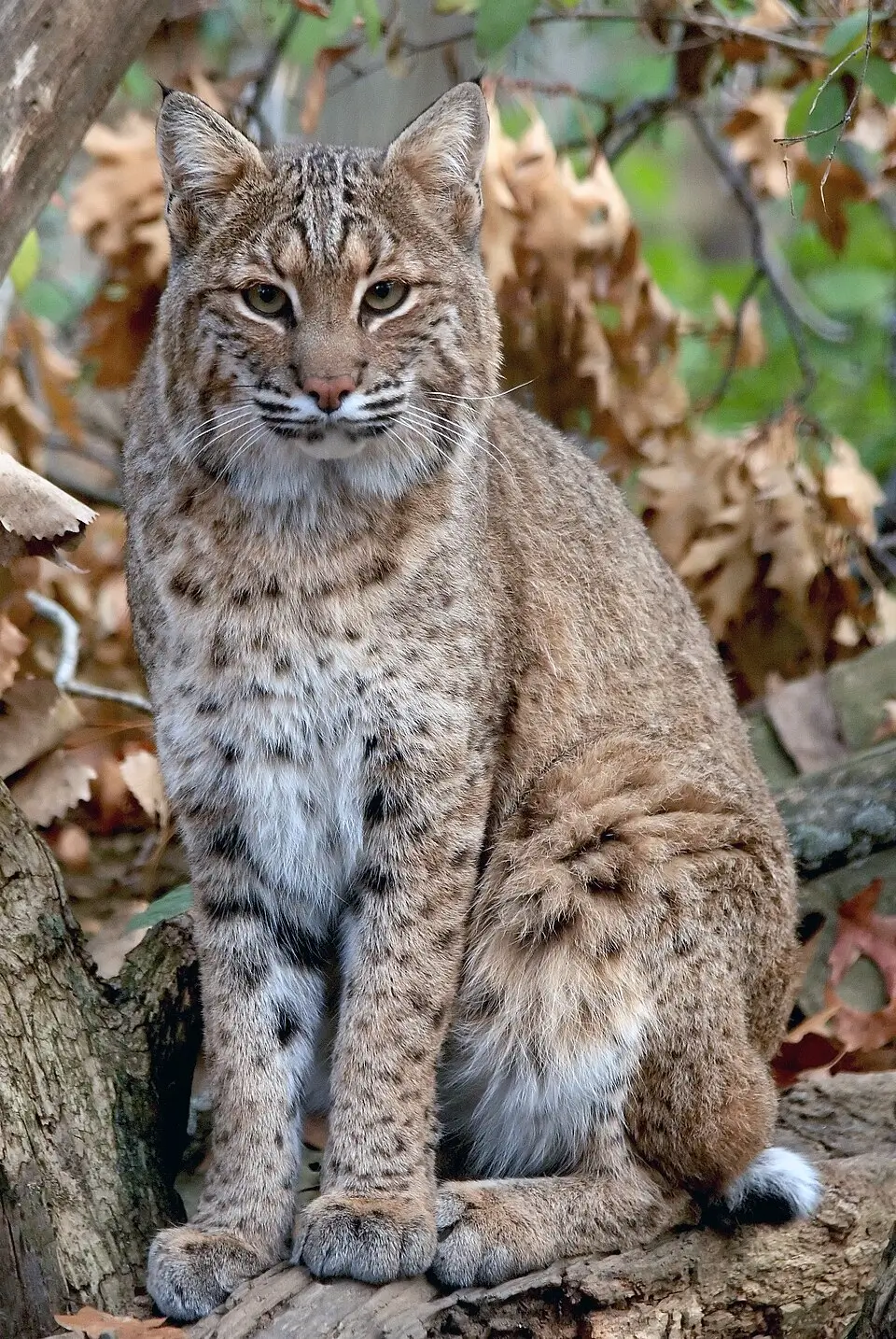
In terms of physical appearance, the bobcat is a compact and muscular animal. Adults typically weigh between 11 and 30 pounds, though larger individuals have been recorded, and males are generally significantly larger than females. The body length of an adult bobcat typically ranges from 26 to 41 inches, with a short, "bobbed" tail — the feature that gives the animal its common name — measuring between 4 and 7 inches. Despite its relatively modest size, the bobcat is an extraordinarily capable predator, possessing sharp retractile claws, powerful hind legs, and highly developed senses of sight and hearing.
The bobcat's coat is one of its most distinctive features. The fur is typically tawny to grayish-brown with dark brown or black streaking and spotting across much of the body. The undersides are white or pale and spotted. The ears are tipped with short tufts of black fur — a characteristic shared with its lynx relatives — and the face features distinctive facial ruffs of longer fur around the cheeks. The tail is marked with black bars and a black tip on the upper surface, while the underside of the tail is white. This combination of coloration and pattern makes the bobcat extraordinarily well camouflaged in virtually any of the environments it inhabits.
Bobcats are obligate carnivores. Their diet is varied but consists primarily of small to medium-sized prey. Cottontail rabbits and snowshoe hares form the core of the diet across much of the range, but bobcats are highly opportunistic hunters. They readily take white-tailed deer — particularly fawns and weakened individuals — as well as squirrels, mice, voles, birds, and even insects when prey is scarce. Their hunting strategy relies heavily on stealth and a burst of speed or a powerful pounce from ambush rather than sustained pursuit. Bobcats are solitary and primarily crepuscular to nocturnal in their activity patterns, though daytime activity is not uncommon, particularly in areas with lower human disturbance.
Reproduction in bobcats occurs primarily in late winter and early spring. After a gestation period of approximately 60 to 70 days, females give birth to litters typically ranging from one to six kittens, with two to four being most common. Kittens are born in a den — often a rocky outcrop, a hollow log, or a dense thicket — and remain dependent on their mother for several months. By autumn, young bobcats typically begin to disperse and establish their own home ranges. Males may have home ranges that overlap with several females but will not tolerate overlap with other males. Home range sizes vary considerably depending on habitat quality and prey availability.
The bobcat communicates through a variety of vocalizations, scent markings, and visual signals. Their calls, which can include yowls, hisses, and a haunting screaming cry during the breeding season, are among the most startling sounds in the North American wild.
Habitat & Range
The bobcat's range is one of the most expansive of any wild cat species in the Western Hemisphere. It extends from southern Canada southward through all of the contiguous United States and into Mexico. This extraordinary geographic spread is a testament to the species' remarkable adaptability. Unlike its cousin the Canada lynx, which is tightly linked to boreal forest habitats and snowshoe hare populations, the bobcat thrives in a far broader array of environments.
In West Virginia, the bobcat finds an ideal combination of conditions. The state's mountainous terrain — characterized by the Allegheny Plateau, the Ridge and Valley province, and numerous rugged hollows and forested ridges — provides ample cover and denning habitat. The mixed hardwood and conifer forests that blanket much of the state support healthy populations of cottontail rabbits, white-tailed deer, and the many other prey species on which bobcats depend.
West Virginia's position in the Appalachian Mountains is particularly significant for bobcat ecology. The region's topographic complexity creates a mosaic of forest types, edge habitats, and isolated terrain features — brushy clear-cuts, rocky outcrops, laurel thickets, and forested stream corridors — that are strongly associated with bobcat presence. Bobcats are frequently detected in areas where mature forest meets younger, regenerating forest or agricultural land, as these edge environments support dense prey populations.
Across their broader range, bobcats are found in forests, deserts, swamps, scrublands, and even suburban fringes. They are one of the few large predators that have maintained or even expanded their range in recent decades despite widespread habitat alteration and human population growth.
Hunting Information
The bobcat holds a special place in the traditions of American hunting, particularly in the Appalachian region. Hunters have long pursued bobcats with packs of hounds trained to trail and tree the cat, a form of hunting that demands patience, skill, and a deep knowledge of the animal and the terrain. Trapping is also a long-established method of bobcat harvest, practiced by traditional fur trappers across the eastern United States.
For hunters considering pursuing bobcat in West Virginia, the starting point is always the official regulatory framework. West Virginia has a rich hunting heritage, and the West Virginia Division of Natural Resources (WDNR) manages game populations — including bobcat — through the state's annual hunting guide. Prospective hunters should consult the official West Virginia Hunting Guide for current season dates, license requirements, and any applicable regulations before heading afield. The guide outlines the licensing system for both residents and non-residents, and purchasing a hunting license through the state's online platform has become more convenient than ever.
It is important to note that specific season dates, bag limits, and licensing fees are subject to change from year to year and are set by wildlife management authorities based on population surveys and conservation goals. Hunters are always encouraged to verify current regulations directly through the West Virginia Division of Natural Resources or the official state hunting guide rather than relying on third-party sources.
Calling is another effective technique for bobcat hunters. Predator calls mimicking the sounds of wounded prey — particularly rabbits in distress — can bring a bobcat within range, especially during the colder months when prey may be less abundant. Hunters employing this method should be patient and well-concealed, as bobcats are cautious animals that will often circle and approach slowly, checking for danger before committing.
Regardless of method, ethical hunting practices and full compliance with state regulations are the foundation of responsible bobcat hunting. Habitat conservation and thoughtful game management ensure that bobcat populations remain healthy and that future generations of hunters and wildlife enthusiasts will continue to enjoy encounters with this magnificent animal in the hills and hollows of West Virginia.
Conservation
The bobcat's conservation status is a genuine success story in North American wildlife management. The species is currently listed as Least Concern by the International Union for Conservation of Nature (IUCN), reflecting a stable and widely distributed global population. Unlike many predator species that have faced dramatic range contractions in the modern era, the bobcat has demonstrated remarkable resilience.
During the early and mid-20th century, bobcat populations in parts of the eastern United States faced pressure from unregulated harvest for the fur trade, as well as widespread habitat loss. As wildlife management practices matured and state agencies implemented regulated hunting seasons and harvest limits, bobcat populations recovered strongly across much of their historical range.
Today, the bobcat benefits from legal protections under the Convention on International Trade in Endangered Species (CITES), which regulates the international trade of bobcat pelts and ensures that harvest levels remain sustainable. Most U.S. states, including West Virginia, manage bobcat populations through annual regulated hunting and trapping seasons informed by population monitoring and biological survey data.
For West Virginia's bobcat population specifically, the state's extensive forested landscape, combined with active wildlife management by state authorities, provides a strong foundation for maintaining healthy bobcat numbers. The species continues to be part of the ecological fabric of the Appalachian Mountains, playing an important role as a mid-level predator in regulating prey populations and contributing to the overall health of the forest ecosystem.
Public appreciation for the bobcat — both among hunters who pursue it and among wildlife watchers and photographers who seek it — is itself a conservation asset. The economic value generated by legal bobcat hunting supports wildlife management programs, habitat conservation initiatives, and the enforcement of regulations that protect the species from illegal take.