Overview
Few animals are as deeply woven into the fabric of North American wildlife culture as the white-tailed deer. Graceful, adaptable, and endlessly fascinating, Odocoileus virginianus — commonly known as the white-tailed deer — stands as one of the most iconic and widely recognized large mammals on the continent. From the dense hardwood forests of the eastern United States to the rolling grasslands of the Midwest, and even into portions of the Pacific Northwest, the white-tailed deer has demonstrated a remarkable ability to thrive across a vast array of environments.
In Washington State, a region celebrated for its extraordinary natural diversity, the white-tailed deer occupies a distinctive and important ecological role. Nestled in the Pacific Northwest, Washington borders the Pacific Ocean to the west, Oregon to the south, Idaho to the east, and shares an international border with the Canadian province of British Columbia to the north. This geographic variety — encompassing lush temperate rainforests, rugged mountain ranges, shrub-steppe landscapes, and fertile river valleys — creates a mosaic of habitats that support a wide range of wildlife species, including the white-tailed deer.
Whether you are a dedicated hunter, a wildlife enthusiast, a photographer, or simply a curious observer of the natural world, understanding the biology, behavior, and conservation status of the white-tailed deer enriches every encounter with this magnificent animal. This article explores the essential characteristics of the species, its presence in Washington State, and what hunters and wildlife watchers alike should know before venturing into the field.
Biological Traits
The white-tailed deer (Odocoileus virginianus) belongs to the family Cervidae, the deer family, and is the most widely distributed wild ungulate in the Americas. The species name virginianus reflects the fact that early scientific descriptions of the animal were based on specimens collected in the state of Virginia.
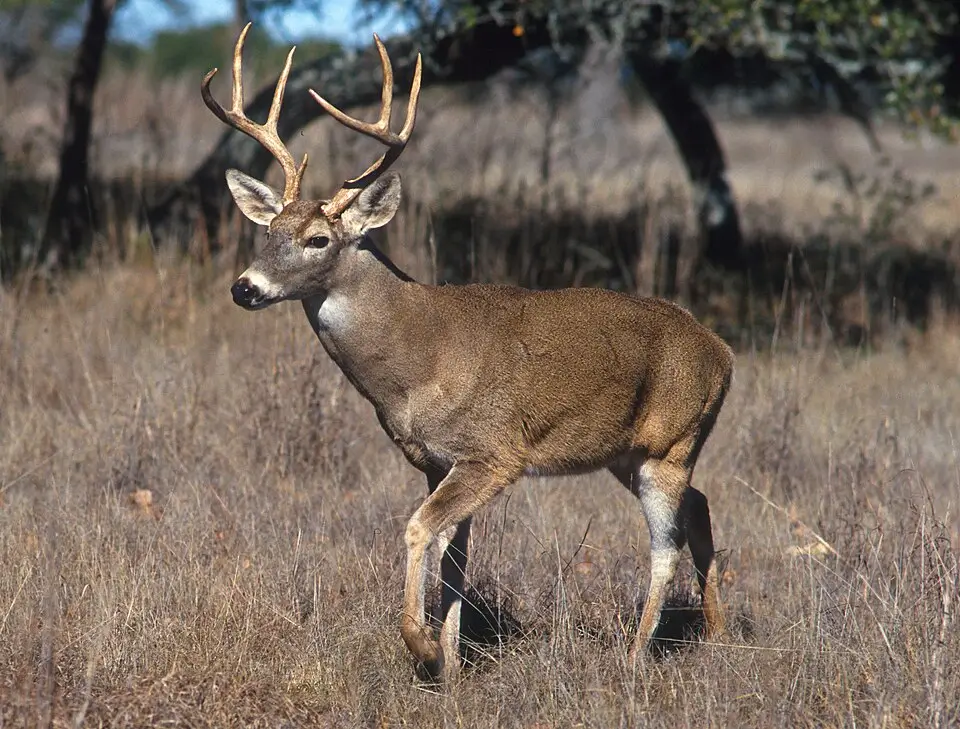
One of the most recognizable features of this deer is, of course, its namesake tail. When alarmed or fleeing from a predator, white-tailed deer raise their tails to reveal a brilliant flash of white on the underside — a behavior thought to serve as a warning signal to other deer nearby, as well as a possible means of confusing or distracting pursuing predators. This distinctive flag-like display is one of the surest ways to identify the species at a distance.
White-tailed deer exhibit a classic cervid body plan: long, slender legs built for speed and agility, a compact torso, and large, expressive eyes positioned on the sides of the head to provide a wide field of vision. Their coat changes seasonally, shifting from a reddish-brown in summer to a grayer, thicker coat in winter that provides effective insulation against cold temperatures. Fawns are born with white spots on their reddish coats — a form of disruptive coloration that helps them blend into dappled forest light during their most vulnerable early weeks of life.
Antlers are grown exclusively by males (bucks) and are among the most remarkable structures in the animal kingdom. Beginning growth in spring, antlers are covered in a soft, blood-vessel-rich tissue called velvet that supplies nutrients to the rapidly growing bone. By late summer and early fall, bucks shed the velvet as antler growth is complete, revealing the hardened, polished antlers used during the rut — the annual breeding season. After breeding season concludes, bucks shed their antlers entirely, beginning the cycle anew in spring.
The rut is a period of intense activity for white-tailed bucks, who engage in sparring matches, scraping, and rubbing of trees to establish dominance and attract does. During this time, bucks become notably less cautious and may be seen moving during daylight hours more frequently than at other times of year — a behavior well known to hunters.
Does typically give birth to one to three fawns in late spring or early summer, after a gestation period of roughly six to seven months. Fawns are able to stand and walk within hours of birth, though they remain hidden in vegetation for the first few weeks of life while their mother feeds nearby and returns periodically to nurse.
White-tailed deer are herbivores with a broad, opportunistic diet. They browse on a wide variety of plant material including leaves, twigs, grasses, forbs, agricultural crops, acorns, and fruits. Their four-chambered stomach allows them to digest coarse plant material efficiently, and they are known to adapt their diet seasonally based on what is available.
Habitat & Range
The white-tailed deer boasts one of the broadest ranges of any large mammal in the Western Hemisphere. The species is found across much of North America, from southern Canada through the continental United States and into Central and South America. Within the United States, white-tailed deer are present in 48 of the 50 states, and they have proven remarkably adaptable to a wide range of habitat types.
In Washington State, white-tailed deer are primarily found in the northeastern corner of the state — particularly in and around the forests and river valleys of Ferry, Stevens, Pend Oreille, and Spokane counties. This region, characterized by coniferous and mixed forests, agricultural lands, and riparian corridors, provides the kind of edge habitat that white-tailed deer strongly prefer. Unlike the closely related mule deer (Odocoileus hemionus), which is more commonly associated with Washington's drier shrub-steppe and mountainous terrain, white-tailed deer in the state tend to favor lower elevations with dense cover and ready access to food.
The proximity of northeastern Washington to Idaho and British Columbia means that deer populations in this area are part of a broader regional population that moves relatively freely across political boundaries. River valleys such as those of the Pend Oreille and Columbia Rivers provide important travel corridors and wintering habitat for these animals.
White-tailed deer are classic "edge species," meaning they thrive at the transitional zones between different habitat types — where forest meets field, or where riparian vegetation borders open meadows. This preference makes agricultural areas, forest clearcuts in early successional stages, and stream corridors particularly productive habitat for the species.
Hunting Information
White-tailed deer hunting holds a cherished place in North American outdoor tradition, and Washington State offers hunters the opportunity to pursue this species in its northeastern range. The experience of hunting white-tailed deer in the forests and valleys of eastern Washington is distinct from hunting their mule deer cousins in other parts of the state, requiring hunters to adapt their strategies to the terrain and the deer's behavioral tendencies.
Because white-tailed deer rely heavily on their sense of smell and their intimate knowledge of home ranges, successful hunting often requires careful attention to wind direction, scent control, and the selection of stand or blind locations near natural travel routes, food sources, and bedding areas. Stand hunting — whether from a tree stand or a ground blind — is a popular and effective method well-suited to the dense cover these deer prefer.
The rut presents one of the most exciting opportunities for hunters each season. As bucks abandon much of their usual caution in search of does, calling techniques such as rattling antlers together to simulate sparring, using grunt calls, or employing doe bleats can be highly effective at drawing curious or competitive bucks within range.
It is important for all hunters to obtain current and accurate information about seasons, licensing requirements, and regulations directly from the Washington Department of Fish and Wildlife (WDFW) before heading into the field. Specific season dates, tag requirements, legal shooting hours, and weapon restrictions are subject to change from year to year, and hunting regulations in Washington differ by game management unit. Consulting the most recent WDFW hunting pamphlet or official website ensures that hunters remain in full compliance with state law and contribute to responsible wildlife management.
Always prioritize safety, ethical shot selection, and respectful behavior toward both the resource and other users of public land.
Conservation
The conservation story of the white-tailed deer in North America is, in many respects, a genuine success story. By the late 19th and early 20th centuries, unregulated market hunting and widespread habitat loss had dramatically reduced white-tailed deer populations across much of their range. The establishment of scientific wildlife management, regulated hunting seasons, and habitat conservation efforts through the 20th century allowed populations to recover strongly — to the point where white-tailed deer are today among the most abundant large mammals in North America.
In Washington State, white-tailed deer populations in the northeast are managed as part of a broader wildlife stewardship effort by the Washington Department of Fish and Wildlife. Hunters play a direct and meaningful role in this conservation framework: license and tag fees fund wildlife research, habitat improvement projects, and the enforcement of game laws that benefit all wildlife species.
The Pittman-Robertson Federal Aid in Wildlife Restoration Act, funded through an excise tax on firearms, ammunition, and archery equipment, has channeled billions of dollars into wildlife conservation efforts across the United States since its passage in 1937 — and hunters have been the primary contributors to this landmark program.
Maintaining healthy white-tailed deer populations requires ongoing attention to habitat quality, predator-prey dynamics, disease monitoring (including conditions such as Chronic Wasting Disease, which affects cervids), and adaptive harvest management. Hunters, wildlife managers, and conservation organizations all share a stake in ensuring that this magnificent species continues to thrive for generations to come.