Overview
Few animals embody the spirit of the North American wilderness quite like the snowshoe hare. Cloaked in a coat that transforms with the seasons, this remarkable lagomorph has captured the imagination of naturalists, wildlife photographers, and hunters for generations. Found across vast stretches of the continent's boreal forests and mountain ranges, the snowshoe hare (Lepus americanus) is one of nature's most fascinating examples of adaptation, resilience, and ecological interdependence.
In Washington State — a land defined by dramatic contrasts, from rain-soaked old-growth forests in the west to the rugged, snow-dusted highlands of the Cascade Range and beyond — the snowshoe hare occupies a vital niche in the local ecosystem. Whether you are a hunter hoping to take to the field in pursuit of this agile quarry, a wildlife enthusiast curious about the animals that share this stunning landscape, or simply someone who wants to understand the web of life that connects predator and prey across the Pacific Northwest, this guide has something for you.
Biological Traits
Scientific Classification
The snowshoe hare belongs to the family Leporidae and the genus Lepus, which also includes jackrabbits and other true hares. Its full scientific name, Lepus americanus, reflects its deep roots in the American continent, where it has evolved over millennia to survive in some of the harshest conditions the land has to offer.
The Iconic Seasonal Color Change
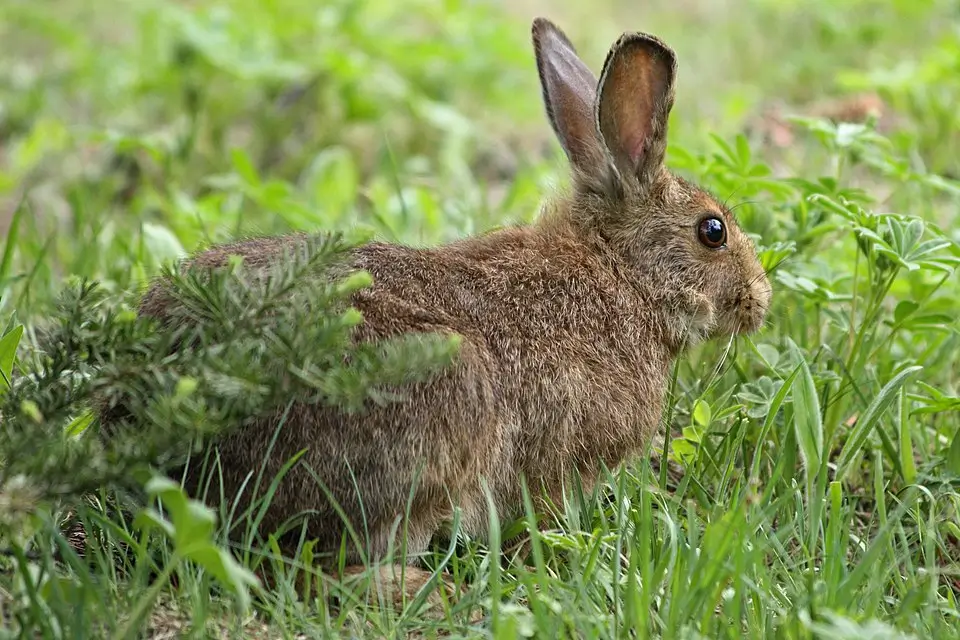
Perhaps the most visually striking trait of the snowshoe hare is its seasonal pelage transformation. During the warmer months, the animal sports a rich, rusty-brown or grayish-brown coat that provides excellent camouflage against the forest floor, leaf litter, and exposed earth. As autumn advances and daylight hours shorten, a remarkable biological process is triggered: the hare's fur gradually transitions to a brilliant white, providing near-perfect concealment against winter snow.
This color change is primarily governed by photoperiod — the length of daylight — rather than temperature alone. The transformation is not instantaneous but occurs gradually over several weeks, with the animal sometimes appearing mottled or patchy during the transition periods of fall and spring. In years when snowfall is delayed or early snowmelt occurs, this timing can occasionally leave hares conspicuously visible against bare ground, a phenomenon that researchers have studied in the context of climate change and shifting seasonal patterns.
The "Snowshoe" Feet
The hare's common name comes directly from one of its most practical physical adaptations: its extraordinarily large hind feet. These oversized paws are covered in dense fur, which effectively broadens the surface area the animal uses to contact the ground, functioning much like a pair of snowshoes. This adaptation allows the snowshoe hare to move swiftly and efficiently across deep, powdery snow that would bog down other similarly sized mammals. The combination of powerful hind legs and these built-in snowshoes allows the snowshoe hare to reach impressive speeds and execute sharp, evasive maneuvers when escaping from predators.
Size and Physical Characteristics
The snowshoe hare is a medium-sized lagomorph. Adults typically weigh in the range of two to four pounds, with body lengths that reflect the compact, muscular build common to true hares. Unlike rabbits, hares are born fully furred and with their eyes open — a trait known as being precocial — and they are capable of movement within hours of birth. This adaptation reflects the open, exposed environments in which hares often give birth, where the young must be ready to flee quickly if threatened.
Population Cycles
One of the most studied and celebrated aspects of snowshoe hare biology is the dramatic population cycle that the species undergoes, typically peaking roughly every eight to eleven years. During peak years, hare populations can be extraordinarily dense. These boom-and-bust cycles have cascading effects throughout the food web. Predators such as Canada lynx, great horned owls, coyotes, bobcats, and various hawks depend heavily on snowshoe hares as a primary food source, and their populations rise and fall in close correspondence with those of the hare. This predator-prey dynamic is one of the most well-documented examples of population cycling in ecological literature and is a cornerstone topic in wildlife biology courses.
Diet and Feeding Behavior
Snowshoe hares are herbivores with diets that shift with the seasons. During summer, they consume a wide variety of green plants, including grasses, forbs, and the leaves and stems of various shrubs. In winter, when green vegetation is buried under snow or has died back, hares shift to a diet of woody browse — the twigs, bark, and buds of trees and shrubs such as willows, aspens, birches, and conifers. This dietary flexibility is essential for survival in environments where food availability changes dramatically between seasons.
Reproduction
Snowshoe hares are prolific breeders, a trait that helps sustain their populations even under significant predation pressure. Females, called does or jills, are capable of producing multiple litters per year during the breeding season, which typically spans from spring through late summer. Litters generally contain two to four young (called leverets), though this can vary. The relatively short gestation period and multiple breeding opportunities per season mean that populations can recover quickly from low points in the cycle.
Habitat & Range
Continental Range
The snowshoe hare has one of the broadest ranges of any lagomorph on the continent, extending from Alaska and Canada southward through the Rocky Mountains, the Sierra Nevada, the Appalachians, and other mountain chains into the northern contiguous United States. It is an animal intimately associated with boreal and subalpine forest environments, where dense coniferous cover, brushy understory, and reliable winter snowpack provide ideal living conditions.
Habitat in Washington State
Washington State offers a rich mosaic of habitats that supports snowshoe hare populations, particularly in the forested mountain regions. The Cascade Range, which bisects the state from north to south, provides extensive areas of coniferous forest, dense brushy undergrowth, and reliable winter snow conditions that the snowshoe hare depends upon. The dense thickets of young conifers, willows, and alders found along streams and avalanche chutes in the Cascades are classic snowshoe hare habitat. Similarly, the Okanogan Highlands in northeastern Washington and portions of the Blue Mountains offer suitable conditions.
The hare tends to favor areas with dense understory cover — thickets, brush piles, and young forest stands — that provide both feeding opportunities and escape cover from aerial and ground predators. Edge habitats, where open areas meet dense forest or brushy patches, can be particularly productive areas to look for signs of snowshoe hare activity.
Hunting Information
Hunting the snowshoe hare is a cherished tradition across much of the animal's range, offering an accessible and highly enjoyable small game experience. In Washington State, snowshoe hares can be pursued by hunters, though prospective hunters should always consult the Washington Department of Fish and Wildlife (WDFW) directly for the most current and accurate regulations, season dates, bag limits, and licensing requirements before heading afield. Regulations can change from year to year, and it is the hunter's responsibility to be fully informed prior to the season. Specific season dates, license requirements, and bag limits were not available in the source data used for this article.
The Hunt Experience
Hunting snowshoe hares can be a wonderfully immersive and challenging experience. Many hunters pursue them on foot through dense brush and snow-covered forests, often accompanied by beagle hounds, which are traditionally used to run hares in looping circles back toward the waiting hunter. This classic style of small game hunting has deep roots in American hunting culture and remains a beloved pursuit today.
Still-hunting — moving slowly and quietly through suitable habitat and watching carefully for the telltale white form of a hare against the snow or frozen forest floor — is another effective method. In winter, fresh tracks in the snow can reveal high-use areas, runways, and feeding spots, allowing hunters to position themselves strategically.
The snowshoe hare's winter-white coat, while excellent camouflage against snow, can actually make the animal easier to spot when perched in a brushy thicket where dark branches create a contrasting backdrop. Sharp eyes and patience are key virtues for the snowshoe hare hunter.
Equipment and Approach
Small-caliber rimfire rifles, such as the .22 LR, and small gauge shotguns are the traditional tools of the snowshoe hare hunter. The choice between a rifle and a shotgun often depends on the hunting method — still-hunters in open terrain may prefer the precision of a rimfire, while hunters working dense brush with dogs often opt for a shotgun's wider pattern. Dressing in warm, layered clothing is essential when hunting in the cold, snowy environments where snowshoe hares thrive. Waterproof boots capable of handling deep snow are a must.
Culinary Value
Beyond the hunt itself, snowshoe hares offer genuine culinary rewards. The meat is lean, mild, and versatile, lending itself well to a variety of preparations including stews, braises, and roasted dishes. Wild game cooks often prize hare meat for its clean flavor and its suitability in hearty, cold-weather recipes. Snowshoe hare is a true table-to-field experience that connects the hunter to the landscape in a deeply satisfying way.
Conservation
The snowshoe hare is currently considered a species of least concern from a conservation standpoint across its broad continental range. Its prolific reproductive capacity, wide distribution, and adaptability make it resilient to many pressures that threaten more specialized species. However, the snowshoe hare's long-term well-being is closely tied to the health of the boreal and subalpine forest ecosystems it inhabits, as well as to the broader dynamics of climate and seasonal snowpack.
Researchers have noted that the synchrony between the hare's coat-color change and actual snow conditions may be disrupted by shifting climate patterns, potentially increasing the animal's vulnerability to predation during mismatched periods. The health of snowshoe hare populations also has significant downstream effects on the predators that depend on them, including the Canada lynx, a species listed as threatened in the contiguous United States.
Responsible hunting, sound habitat management, and the preservation of forested lands in Washington and beyond all contribute positively to the long-term prospects of this iconic species. Hunters, wildlife managers, and conservation organizations can all play meaningful roles in stewardship of the landscapes that snowshoe hares call home.