Overview
Few sights in the natural world are as stirring as a flock of Sandhill Cranes moving across an open sky, their bugling calls echoing across marshes and grasslands. Among North America's most recognizable large birds, the Sandhill Crane (Grus canadensis) has captivated wildlife observers, hunters, and conservationists alike for generations. With a history that stretches back millions of years — making it one of the oldest living bird species on the planet — the Sandhill Crane occupies a unique and celebrated place in both ecological and cultural landscapes. From the vast prairies of the interior continent to the wetlands of the Pacific Northwest, this remarkable bird continues to inspire awe and wonder wherever it appears.
For residents and visitors of Washington State, the Sandhill Crane represents one of the most thrilling wildlife spectacles the Pacific Northwest has to offer. Whether witnessed during spectacular migratory flyovers or spotted foraging in agricultural fields and wetlands, encountering a Sandhill Crane in Washington is an experience that leaves a lasting impression. This article explores the biology, habitat, behavior, and broader significance of this extraordinary species, while also touching on its relationship to hunting traditions and conservation efforts across the region.
Biological Traits
The Sandhill Crane is a large, long-legged wading bird belonging to the family Gruidae, which includes all the world's crane species. Scientifically classified as Grus canadensis, the Sandhill Crane is the most abundant crane species on Earth and one of the most studied large birds in North America.
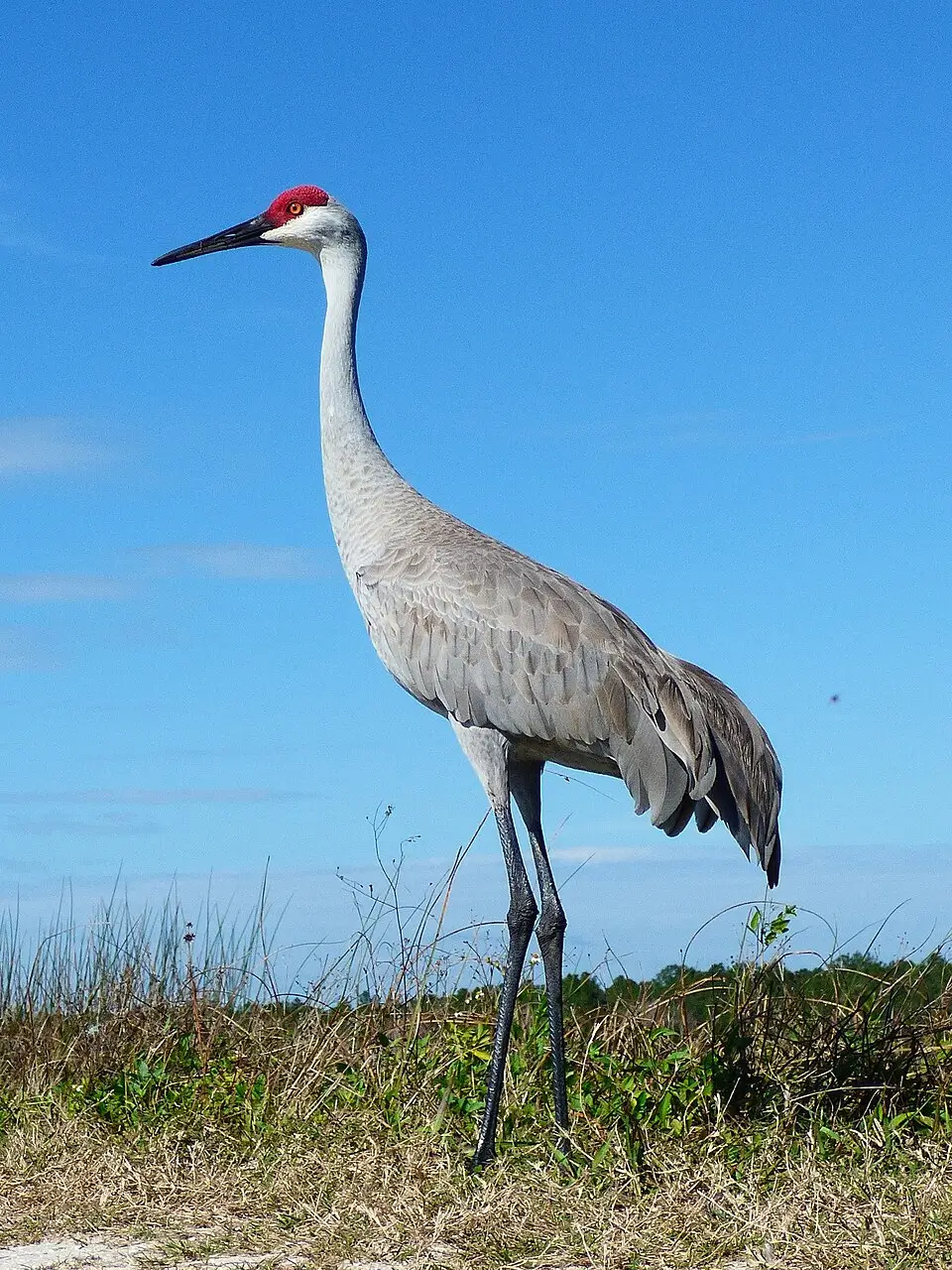
Adult Sandhill Cranes are impressive in stature. They typically stand between three and four feet tall, with a wingspan that can stretch to nearly seven feet, making them one of the largest birds a person is likely to encounter in the wild. Their plumage is predominantly slate gray, though birds in the wild often take on a rusty or brownish hue due to a unique behavior known as "feather painting," in which the cranes preen their feathers with iron-rich mud, imparting a warm, earthy coloration. The most distinctive feature of the adult Sandhill Crane is the bright red patch of bare skin on the forehead — a defining characteristic that sets it apart from other large gray birds.
Juveniles lack the red crown of adults and display more mottled, brownish plumage in their first years of life. Both sexes are similar in appearance, though males tend to be slightly larger on average. The Sandhill Crane has a long, pointed bill well-suited for probing soil and water in search of food, and its legs are long and sturdy, adapted for wading and walking across open terrain.
One of the most captivating aspects of Sandhill Crane biology is its voice. The species is famous for its loud, rattling, bugling call — often described as a rolling, trumpeting "karoo" — that can carry for miles across open landscapes. This powerful vocalization is produced by an elongated trachea, or windpipe, that coils within the sternum, acting as a natural resonating chamber much like a brass instrument. Flocks of migrating cranes can produce a chorus of sound that is unmistakable and deeply evocative of wild places.
Sandhill Cranes are also well known for their elaborate courtship dances, which involve bowing, jumping, wing-spreading, and tossing of grass or sticks into the air. These dances are performed by both sexes and serve to strengthen pair bonds. Sandhill Cranes are monogamous and often mate for life, returning to the same nesting sites year after year. Pairs typically raise one to two chicks, known as colts, per breeding season. Young cranes remain with their parents through their first winter migration, learning essential survival skills along the way.
In terms of diet, Sandhill Cranes are omnivores with broad tastes. They consume a wide variety of foods depending on season and availability, including seeds, grains, berries, tubers, insects, worms, small reptiles, amphibians, and rodents. Their foraging behavior is opportunistic, and in agricultural areas they are well known for feeding on waste grain left in harvested fields — a behavior that has led to both their remarkable population growth in recent decades and occasional conflict with farming interests.
The Sandhill Crane is also notable for its longevity. Wild individuals have been recorded living for more than 20 years, and captive birds can live even longer. This long lifespan, combined with relatively slow reproductive rates, makes population management a nuanced undertaking.
Habitat & Range
Sandhill Cranes occupy a wide variety of habitats across North America, from Arctic tundra to southern grasslands and wetlands. They are broadly distributed across the continent and are known to breed in Alaska, Canada, and portions of the northern and western United States, with some populations found as far south as Florida and Cuba. The species is divided into several recognized subspecies, varying in size and migratory behavior, including the Greater Sandhill Crane, Lesser Sandhill Crane, Canadian Sandhill Crane, and several non-migratory or partially migratory forms.
Breeding habitat typically consists of open wetlands, marshes, bogs, and wet meadows where cranes can nest on elevated platforms of vegetation surrounded by water. This nesting strategy provides protection from many ground-based predators. Outside of the breeding season, Sandhill Cranes gather in enormous numbers at traditional staging areas — most famously along the Platte River in Nebraska, where hundreds of thousands of birds converge each spring in one of the most spectacular wildlife events in the world.
In Washington State, Sandhill Cranes are primarily encountered as migrants passing through during spring and fall movements between their northern breeding grounds and southern wintering areas. The Pacific Flyway, one of the major migratory corridors of North America, passes through Washington, and the state's diverse mosaic of wetlands, agricultural fields, and open landscapes provides important stopover habitat for migrating cranes. Certain areas of Washington, particularly in the eastern portions of the state where agricultural land meets wetland and shrub-steppe habitats, can host notable concentrations of cranes during migration. A small number of Greater Sandhill Cranes also breed in Washington, making the state home to one of the more westerly nesting populations in the Pacific Northwest.
Hunting Information
Sandhill Crane hunting has a long tradition in parts of North America, and the species is legally hunted in a number of U.S. states and Canadian provinces. Often referred to by hunters as the "ribeye of the sky," Sandhill Crane is widely regarded as one of the finest table birds in North America, praised for its rich, dark, flavorful meat.
In the western United States, several states along the Pacific Flyway permit regulated Sandhill Crane hunting seasons. Hunting is managed cooperatively between state wildlife agencies and the U.S. Fish and Wildlife Service to ensure that harvest levels remain sustainable and consistent with conservation objectives. Hunters pursuing Sandhill Cranes typically use large-decoy spreads to attract birds to open fields, and calling can be effective given the cranes' vocal nature.
Regarding Sandhill Crane hunting specifically in Washington State, the source data available for this article does not include specific season dates, license requirements, or bag limit information for Washington. Hunters interested in pursuing Sandhill Cranes in Washington are strongly encouraged to consult the Washington Department of Fish and Wildlife (WDFW) directly for the most current and accurate regulations, as seasons, permit requirements, and legal frameworks can change from year to year. Always ensure all required licenses, tags, and stamps are obtained before hunting, and comply fully with all state and federal regulations governing migratory bird harvest.
Conservation
The Sandhill Crane's conservation story is one of the great success narratives in North American wildlife management. During the early and mid-twentieth century, many crane populations experienced significant declines due to habitat loss, hunting pressure, and human disturbance. Protective legislation, including the Migratory Bird Treaty Act in the United States, played a critical role in allowing populations to recover.
Today, the Sandhill Crane is one of the most abundant crane species in the world, with continental populations estimated in the hundreds of thousands and some subspecies numbering in the millions. This recovery stands as a testament to the effectiveness of science-based wildlife management, habitat conservation, and cooperative international stewardship. However, some subspecies — including the non-migratory Florida Sandhill Crane and the Mississippi Sandhill Crane — remain at much lower numbers and warrant ongoing attention and protection.
Habitat conservation remains a cornerstone of Sandhill Crane management. Protecting and restoring wetlands, preserving migratory staging areas, and maintaining open grassland habitats are all essential to ensuring the long-term health of crane populations. In Washington and across the Pacific Northwest, land conservation efforts that benefit wetland ecosystems also support Sandhill Crane populations as they move through the region each year.
The Sandhill Crane's role in broader ecosystems should not be overlooked. As omnivores moving across large landscapes, cranes contribute to seed dispersal, soil aeration through their foraging activities, and serve as indicators of wetland ecosystem health. Their presence in a landscape is often a sign that the underlying ecosystem is functioning well.
For those who love wild places and wild things, the Sandhill Crane remains an enduring symbol of resilience, natural beauty, and the profound value of conservation commitment across generations.