Overview
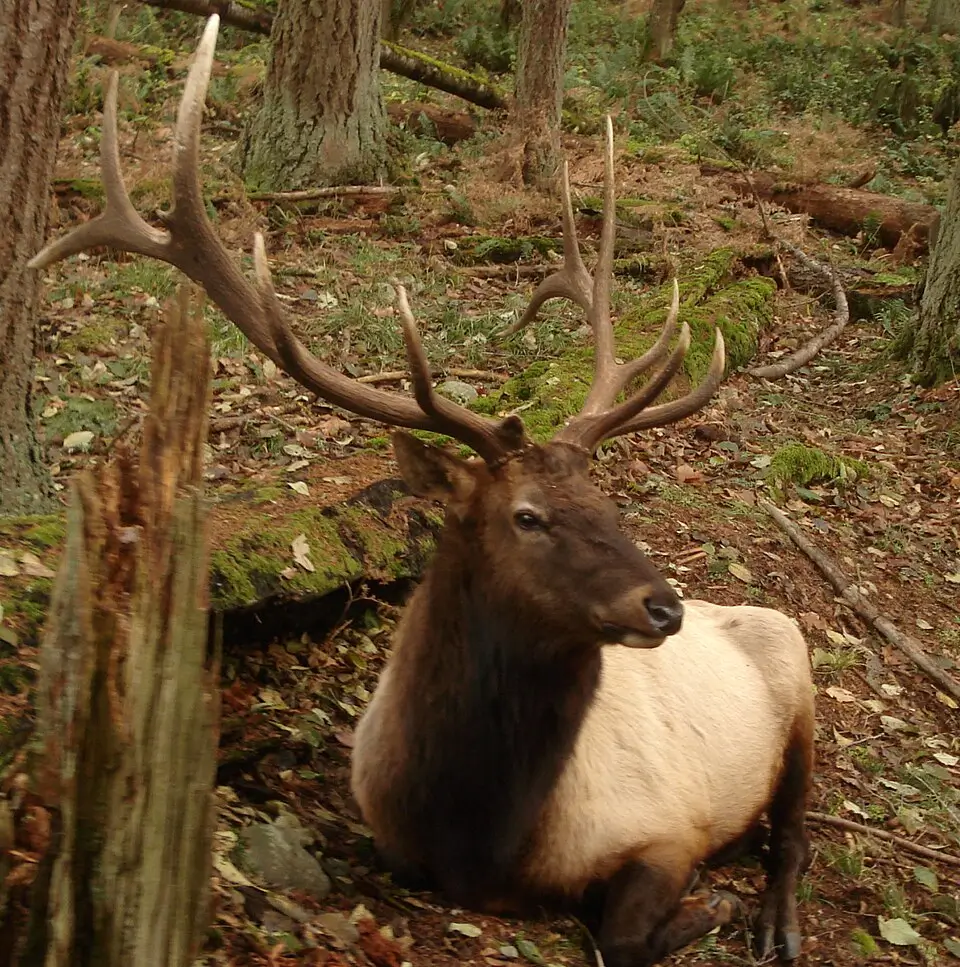
Few wildlife encounters in North America rival the sheer majesty of coming face to face with a Roosevelt elk. Standing as the largest of the four recognized subspecies of North American elk, Cervus canadensis roosevelti commands the forests and river valleys of the Pacific Northwest with an undeniable presence. Named in honor of President Theodore Roosevelt — himself a passionate conservationist and outdoorsman — these magnificent animals are a living symbol of wild America's enduring legacy. For hunters, wildlife photographers, and nature enthusiasts alike, the Roosevelt elk represents one of the most prized and awe-inspiring animals on the continent.
Washington State, nestled in the heart of the Pacific Northwest, provides some of the finest Roosevelt elk habitat in the world. With its dramatic landscape of ancient rainforests, volcanic mountain ranges, sprawling river deltas, and rugged coastal terrain, Washington offers these animals precisely the kind of rich, diverse environment they need to thrive. Whether you're planning a backcountry hunt in the Olympic Peninsula, glassing meadows in the Cascades, or simply hoping to observe these incredible animals in the wild, understanding the biology, behavior, and conservation story of the Roosevelt elk is an essential starting point.
Biological Traits
The Roosevelt elk (Cervus canadensis roosevelti) is a member of the deer family, Cervidae, and belongs to the same genus as the better-known Rocky Mountain elk. However, several key biological traits set the Roosevelt subspecies apart from its relatives, making it a unique and fascinating animal in its own right.
Size and Build
Roosevelt elk are the largest subspecies of elk in North America, and among the largest members of the deer family on the continent. Bulls are particularly impressive, with mature males capable of reaching substantial body weights that frequently exceed those of Rocky Mountain elk bulls. The body of a Roosevelt elk is notably robust and heavily muscled, with a deep chest, thick neck, and powerful legs built for navigating the dense, often wet terrain of the Pacific coast rainforests. Cows are considerably smaller than bulls but are themselves large, athletic animals well-suited to their environment.
Antlers
One of the most striking visual features of a mature Roosevelt elk bull is his antlers. While Rocky Mountain elk are often celebrated for their long, sweeping tines, Roosevelt elk antlers tend to be thicker, more massive at the base, and often feature a distinctive "crown" or cluster of points at the top of the main beam — a characteristic sometimes described as "palmated" or "roosevelting." This heavy, complex antler structure is considered by many hunters and wildlife biologists to be among the most impressive of any North American ungulate. Antlers are shed and regrown each year, with the growing process driven by seasonal changes in daylight and hormonal cycles. During the velvet phase in summer, antlers grow rapidly and are supplied with blood vessels and nerves; they harden by late summer in preparation for the rut.
The Rut
Like all elk subspecies, Roosevelt elk engage in a dramatic annual breeding season known as the rut, which typically takes place in the early fall. During this period, bulls become highly vocal and active, producing the iconic bugling call that echoes through forest valleys. Bulls spar with one another for dominance and access to groups of cows, known as harems. The rut is one of the most spectacular wildlife spectacles in North America and is a key consideration for hunters pursuing these animals, as bulls become more active and visible during this time.
Senses and Behavior
Roosevelt elk rely on a combination of acute senses — particularly smell and hearing — to detect danger. Their eyesight, while functional, is considered somewhat less sharp than their olfactory and auditory capabilities. These animals are highly social, typically living in groups that are segregated by sex outside of the rut. Cows and calves form nursery groups, while bulls often form their own bachelor herds. Calves are typically born in late spring, and a healthy cow will generally produce a single calf per year. The calves are spotted at birth, a natural camouflage adaptation that helps them avoid predators in their early weeks of life.
Diet
Roosevelt elk are generalist herbivores with a broad diet that reflects the diverse plant communities of their Pacific Northwest range. They consume a wide variety of grasses, sedges, forbs, shrubs, and browse material. In the lush coastal rainforests, understory plants such as sword ferns, oxalis, and various shrubs form an important part of their diet. Like other ruminants, elk have a complex digestive system that allows them to extract nutrition from fibrous plant material.
Habitat & Range
The Roosevelt elk's range is intimately tied to the temperate rainforests, coastal mountains, and river systems of the Pacific Northwest. These animals are found along the Pacific coast from northern California through Oregon and Washington and into British Columbia and southeastern Alaska. Within this range, they occupy a diverse array of habitats, from the dense old-growth forests of the Olympic Peninsula to the river valleys and logged forests that have grown back over the past several decades.
Washington State sits at the heart of Roosevelt elk country. The Olympic Peninsula, home to Olympic National Park and the surrounding national forest lands, is particularly famous for its elk population. The rainforests of the Hoh, Queets, and Quinault river valleys support dense concentrations of these animals, and the elk of the Olympic Peninsula have historically existed with relatively few large predators, allowing populations to remain robust. The western slopes of the Cascade Mountains also support significant Roosevelt elk populations, as do many of the lower river valleys and forest lands of western Washington.
Unlike their Rocky Mountain counterparts, Roosevelt elk tend to remain at lower elevations throughout much of the year, relying on the productivity of coastal and lowland forest environments rather than undertaking the dramatic seasonal migrations associated with high-elevation subspecies. However, they do make seasonal movements in response to snow depth, food availability, and human activity.
Hunting Information
Roosevelt elk hunting in Washington State is a time-honored tradition that draws hunters from across the Pacific Northwest and beyond. The opportunity to pursue one of North America's most imposing big game animals in the dramatic landscapes of western Washington is an experience that few hunters ever forget.
Washington State manages Roosevelt elk hunting through a regulated system of licenses and permits administered by the Washington Department of Fish and Wildlife (WDFW). Because specific season dates, license requirements, permit structures, and regulations can change from year to year and vary by wildlife management unit, hunters are strongly encouraged to consult the official Washington Department of Fish and Wildlife website and the current year's hunting pamphlet for the most up-to-date and accurate information before planning any hunt.
Roosevelt elk hunting in Washington generally encompasses both archery and firearm seasons, with opportunities varying by region and management unit. The Olympic Peninsula is among the most sought-after destinations for elk hunters in the state, though competition for permits in some units can be significant. The Cascade foothills and river valleys of western Washington also offer productive hunting grounds. Success in Roosevelt elk hunting often requires a significant investment of time, physical conditioning, and woodsmanship, as these animals live in dense, wet forest environments that demand persistence and skill from the pursuing hunter.
For out-of-state hunters, Washington offers a remarkable destination hunt experience. The combination of dramatic scenery, challenging terrain, and the opportunity to take a world-class bull makes a Washington Roosevelt elk hunt a bucket-list pursuit for many serious big game hunters. Working with a licensed outfitter or guide who is familiar with local regulations and terrain can be a valuable asset for those new to hunting the region.
Conservation
The conservation story of the Roosevelt elk is, in many respects, a testament to the effectiveness of science-based wildlife management and the contributions of the hunting community. Like many large mammals in North America, Roosevelt elk populations were significantly reduced during the late 19th and early 20th centuries due to market hunting, habitat loss, and limited regulatory oversight. The establishment of protective regulations, habitat conservation efforts, and the creation of national parks and forests helped populations recover steadily over the course of the 20th century.
Today, Roosevelt elk are classified as a species of least concern from a broad conservation perspective, and healthy populations exist across much of their historical range. In Washington State, the Washington Department of Fish and Wildlife actively monitors elk populations and adjusts hunting regulations accordingly to ensure sustainable harvests. Conservation organizations, tribal nations, federal agencies, and state wildlife managers all play important roles in maintaining the habitat connectivity and population health that Roosevelt elk require.
Hunter-supported conservation funding — generated through license and permit fees as well as excise taxes on hunting equipment through the Federal Aid in Wildlife Restoration Act (commonly known as the Pittman-Robertson Act) — has contributed substantially to elk habitat preservation and population research in Washington and throughout the Pacific Northwest. This partnership between hunters and wildlife managers remains one of the most effective models of conservation in the world.