Overview
Few animals capture the human imagination quite like the red fox. With its striking russet coat, bushy tail, and sharp, intelligent eyes, Vulpes vulpes has woven itself into folklore, art, and the natural landscapes of nearly every continent on Earth. From the dense forests of the Pacific Northwest to the sprawling grasslands of the American interior, the red fox is a survivor — adaptable, resourceful, and endlessly fascinating to wildlife enthusiasts, naturalists, and hunters alike.
In Washington State, the red fox occupies a particularly interesting ecological role. Nestled in the Pacific Northwest, Washington's diverse landscapes — ranging from coastal rainforests and alpine meadows to high desert shrub-steppe — provide a rich tapestry of habitats where this versatile predator can thrive. Whether you're a hunter looking to test your skills against one of nature's most cunning quarries, a wildlife watcher hoping to catch a glimpse of a fox at dawn, or simply a nature lover curious about the animals sharing your region, understanding the red fox is a deeply rewarding pursuit.
This article explores the biology, behavior, habitat, and hunting culture surrounding Vulpes vulpes, with a particular focus on what makes this animal so remarkable in the context of Washington State and the broader Pacific Northwest.
Biological Traits
The red fox, Vulpes vulpes, belongs to the family Canidae — the same family that includes wolves, coyotes, and domestic dogs. It is the largest species in the genus Vulpes and holds the distinction of having the widest natural range of any terrestrial carnivore in the world. This global distribution speaks volumes about the animal's extraordinary biological flexibility.
Physical Appearance
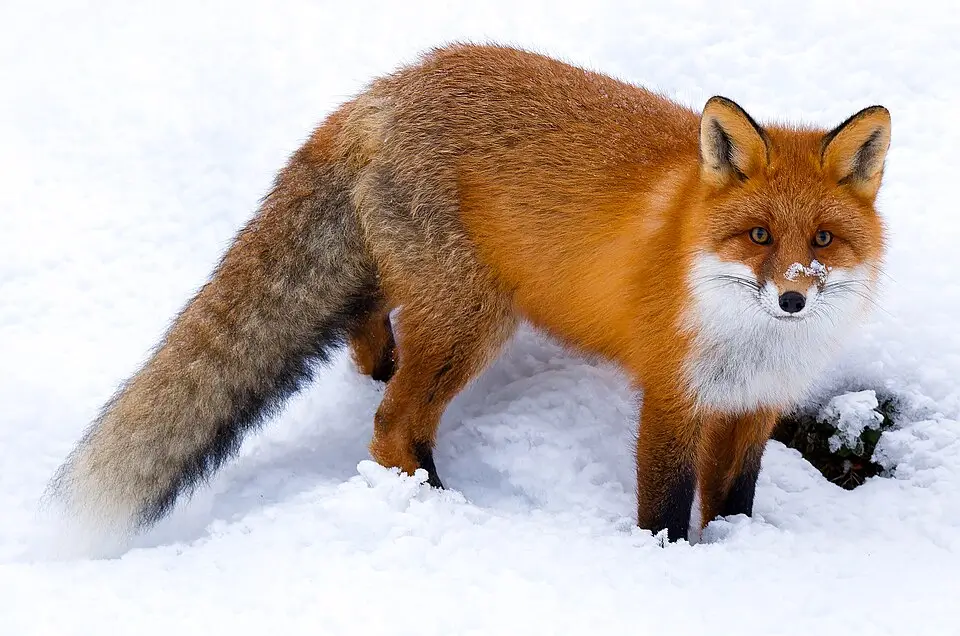
The red fox is immediately recognizable by its warm, reddish-orange fur, which covers most of its body and gives the species its common name. The chest, belly, and inner ears are typically white or cream-colored, while the legs and feet are often black. Perhaps most iconic is the fox's long, bushy tail — known as a "brush" — which is usually tipped in white. This tail serves multiple purposes: it helps the fox balance during quick, agile movements, and it acts as a warm wrap during cold nights when the fox curls up to sleep.
It is worth noting that not all red foxes are actually red. Color morphs exist within the species, including cross foxes (which display a dark stripe across the shoulders), silver foxes (which can appear nearly black with silver-tipped guard hairs), and other variations. These color differences are natural genetic variations within the same species.
Red foxes are medium-sized carnivores, typically weighing between 5 and 15 pounds, though size can vary considerably depending on geography and food availability. They have elongated muzzles, upright triangular ears, and eyes with vertically slit pupils — a feature shared with cats and well-adapted for detecting movement in low-light conditions. Their senses of hearing and smell are highly acute, making them exceptional hunters.
Behavior and Intelligence
The red fox is widely regarded as one of the most intelligent members of the canid family. Unlike pack-oriented canids such as wolves, red foxes are generally solitary hunters, relying on stealth, patience, and cunning to locate and catch prey. They are known for a distinctive hunting technique sometimes called "mousing," in which the fox leaps high into the air and pounces down onto prey hidden beneath snow or tall grass — a behavior that blends remarkable hearing with precise calculation.
Foxes are omnivores with a highly varied diet. They consume small mammals such as mice, voles, and rabbits, but will also eat birds, insects, berries, fruits, earthworms, and carrion. This dietary flexibility is one of the primary reasons Vulpes vulpes has succeeded so broadly across the globe.
Red foxes are largely crepuscular and nocturnal — most active at dawn, dusk, and through the night — though they can be seen during daylight hours, especially during the breeding season or when raising pups.
Reproduction
Red foxes typically breed once per year, with the mating season generally occurring in late winter. After a gestation period of approximately 51 to 53 days, the vixen (female fox) gives birth to a litter of pups, commonly ranging from four to six young, though larger litters are possible. Pups are born blind and helpless, relying entirely on their mother for warmth and nourishment. The male fox, known as a "dog fox," plays an active role in provisioning the family during this period. By late summer, the young foxes are largely independent and disperse to establish their own territories.
Foxes are known for their vocalizations, which include barks, yips, and an eerie, high-pitched scream most often heard during the mating season. These sounds can be startling to those unfamiliar with them but are simply part of the fox's complex communication repertoire.
Habitat & Range
The red fox boasts one of the most impressive geographic distributions of any wild mammal. Vulpes vulpes is native to much of the Northern Hemisphere, including Europe, Asia, and North America, and has been introduced to Australia. In North America, red foxes are found from the Arctic tundra of Alaska and Canada southward through much of the continental United States.
In Washington State, red foxes inhabit a variety of ecosystems. The state's geographic diversity — from the wet, temperate rainforests of the Olympic Peninsula and the Cascade Mountain range to the drier shrub-steppe habitats of eastern Washington — creates a broad spectrum of suitable fox habitat. Foxes tend to favor edge habitats, those transitional zones between forest and open land, such as meadows adjacent to woodlands, riparian corridors along rivers and streams, and agricultural land bordered by natural vegetation. These areas provide both cover for denning and hunting, and open ground for locating prey.
In mountainous regions of Washington, native red fox populations — sometimes referred to as the "cascade red fox" or the mountain-dwelling subspecies — inhabit alpine and subalpine zones. These mountain foxes are considered distinct from lowland red fox populations and occupy some of the most rugged and beautiful terrain the state has to offer. The presence of the red fox in such varied environments, from sea level to timberline, is a testament to the species' remarkable adaptability.
Hunting Information
The red fox has a long and storied history as a game animal. Fox hunting has been practiced for centuries in various cultures, both as a method of wildlife management and as a sporting tradition. In North America, fox hunting takes several forms, including traditional mounted fox hunts, predator calling, and trapping.
For hunters in Washington State, pursuing red fox can be a challenging and rewarding endeavor. The fox's sharp senses, wariness, and general nocturnal behavior make it a demanding quarry that tests a hunter's fieldcraft, patience, and calling ability. Predator calling — using electronic or mouth-blown calls that mimic distressed prey animals — is one of the most popular and effective methods for bringing foxes into range.
Fox hunting typically peaks during the winter months, when fox fur is at its prime condition and when foxes may be more active during daylight hours due to the breeding season. Hunters often set up in areas with known fox activity, near agricultural fields, open meadows, or along brushy fence lines and creek bottoms.
It is essential for anyone interested in hunting red fox in Washington State to consult the Washington Department of Fish and Wildlife (WDFW) for current and accurate regulations, season dates, licensing requirements, and any location-specific rules. Hunting regulations can change from year to year, and specific seasons, bag limits, and permit requirements for red fox in Washington were not detailed in the source data available for this article. Always verify the most current regulations directly with the WDFW before heading afield.
Hunters who pursue red fox for their pelts are participating in a tradition that has deep roots in the North American fur trade. High-quality fox fur, especially the silver and cross color morphs, has historically been prized in the fur market. Ethical, legal harvest of red foxes can contribute to broader wildlife management goals and supports hunting traditions that connect people to the land.
Conservation
The red fox, on a global scale, is classified as a species of Least Concern by the International Union for Conservation of Nature (IUCN). Its enormous range, high reproductive rate, and exceptional adaptability have allowed it to maintain healthy populations across most of its native habitat. In many regions, red fox populations have actually expanded alongside human development, as the species thrives in suburban and agricultural landscapes that provide abundant food sources and denning opportunities.
In Washington State, the situation is somewhat nuanced. While lowland red fox populations appear stable, the native mountain-dwelling red fox populations of the Cascades and other high-elevation areas are considered less numerous and may face pressures from habitat change, including shifts associated with changing climate patterns affecting alpine ecosystems.
Conservation of the red fox in Washington is best supported through responsible land stewardship, ethical hunting and trapping practices conducted within the bounds of state regulations, and ongoing monitoring by wildlife management agencies. The Washington Department of Fish and Wildlife plays a central role in tracking wildlife populations and adjusting management strategies as needed.
For wildlife enthusiasts, simply learning to coexist thoughtfully with red foxes — appreciating them from a respectful distance, securing garbage and pet food that might attract foxes into conflict situations, and reporting unusual fox behavior to wildlife authorities — contributes meaningfully to their long-term wellbeing.
The red fox's ability to thrive alongside human civilization is both a conservation success story and a reminder that the natural world is resilient when given the space and respect it deserves. Few creatures embody the spirit of wild adaptability quite as gracefully as Vulpes vulpes — a flash of auburn fur vanishing into the treeline at first light, leaving only paw prints in the morning frost.