Overview
Few animals have shaped the North American continent — both ecologically and historically — quite like the North American beaver (Castor canadensis). As the largest rodent native to North America, the beaver is a creature of remarkable industriousness, intelligence, and ecological importance. From the boreal forests of Canada to the riparian corridors of the Pacific Northwest, beavers have been building, flooding, and transforming landscapes for millennia. Their legacy is woven into the very fabric of North American history, from the fur trade that drove early European exploration to the modern conservation movement that works to protect them today.
In Washington State, the beaver holds a particularly meaningful place. The Pacific Northwest's lush river systems, forested wetlands, and glacier-fed streams provide some of the most ideal beaver habitat anywhere on the continent. Whether you are a wildlife enthusiast, a hunter, a conservationist, or simply a curious observer of nature, understanding the North American beaver is essential to appreciating the wild character of Washington and the broader region it inhabits.
Biological Traits
The North American beaver (Castor canadensis) belongs to the family Castoridae and the order Rodentia. It is one of only two living species in its genus, the other being the Eurasian beaver (Castor fiber). While they share a genus, the North American and Eurasian beavers are distinct species with notable genetic and behavioral differences.
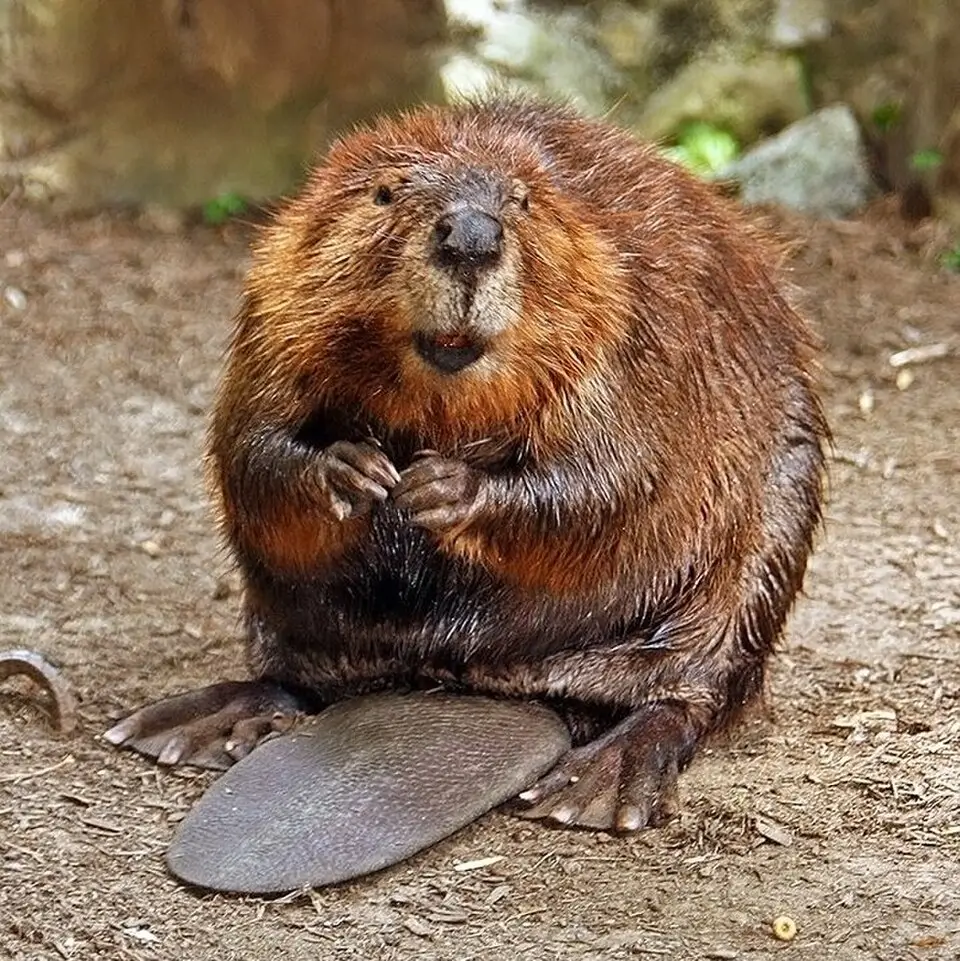
Beavers are immediately recognizable by their large, paddle-shaped tails — a feature unique among North American mammals. This distinctive tail serves multiple purposes: it acts as a rudder when swimming, a prop when the animal is standing upright on land, and a warning device when slapped loudly against the water's surface to alert other beavers of potential danger. The sound of a beaver tail slap echoing across a still pond at dusk is one of the more memorable sounds in the North American wilderness.
The beaver's body is built for aquatic life. Their hind feet are fully webbed, making them powerful and efficient swimmers. Their front feet, by contrast, are small and dexterous, allowing them to manipulate sticks, mud, and rocks with surprising precision. Beavers are capable of staying submerged for up to 15 minutes, aided by a slow heart rate and transparent eyelids (nictitating membranes) that protect their eyes underwater.
One of the beaver's most celebrated biological features is its teeth. The incisors are large, self-sharpening, and coated with iron-rich orange enamel on the front surface, giving them exceptional durability and a distinctive rust-orange color. These teeth grow continuously throughout the animal's life, and beavers keep them sharp and properly sized by gnawing — a behavior that also serves the practical purpose of felling trees for food and construction.
Beavers are herbivores with a diet that shifts seasonally. During the warmer months, they consume a wide variety of aquatic and riparian vegetation, including water lilies, sedges, grasses, and the leaves of deciduous trees. As colder weather approaches, beavers focus heavily on woody material — branches and bark from trees such as aspen, cottonwood, willow, and alder. They are well known for their caching behavior, submerging branches near their lodge entrance to create a winter food supply accessible even when ice covers the surface of their pond.
Beavers are monogamous and typically form long-term pair bonds. Family groups, known as colonies, generally consist of the breeding pair and their offspring from the current and previous year. Young beavers, called kits, are born in late spring and are well-developed at birth, already covered in fur and capable of swimming within days. Kits usually remain with the family for about two years before dispersing to establish their own territories.
Habitat & Range
The North American beaver has one of the broadest ranges of any large mammal in North America. Its territory spans from the northern reaches of Alaska and Canada southward through much of the continental United States, including large portions of Mexico. Historically, beavers were found across virtually every river and stream system on the continent where suitable vegetation and water were present.
Beavers are quintessential riparian animals — their lives revolve entirely around freshwater systems. They thrive in and around rivers, streams, lakes, ponds, marshes, and swamps. What makes beavers truly unique among North American wildlife is their extraordinary capacity to engineer their own habitat. Through the construction of dams, lodges, and canals, beavers can transform a small, unremarkable stream into a complex wetland ecosystem.
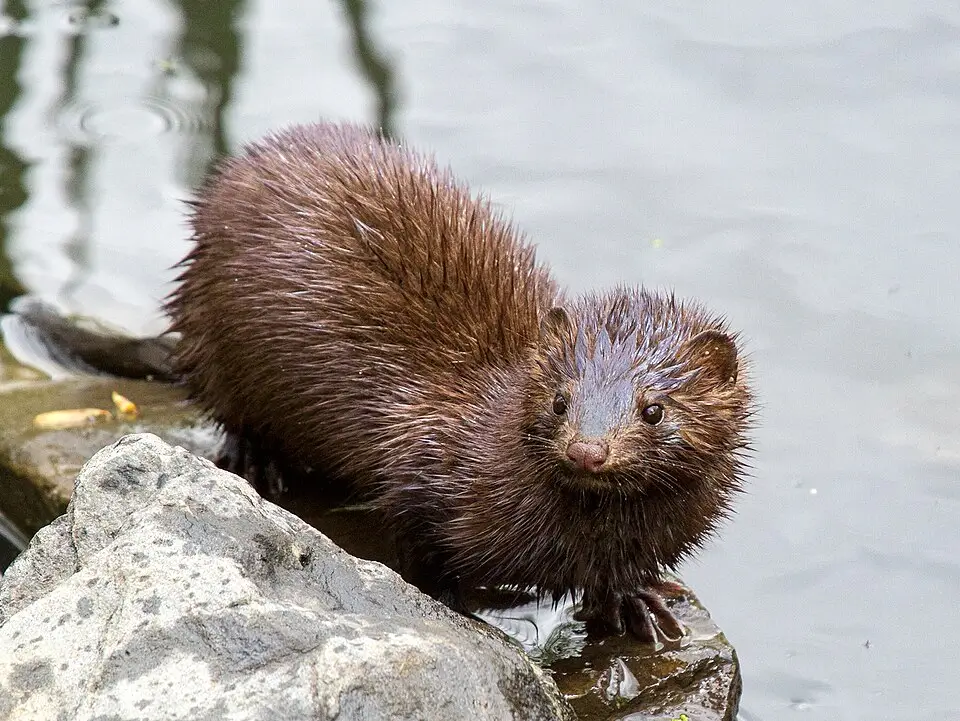
Beaver dams are constructed from a combination of sticks, logs, mud, and rocks. These structures can range from a few feet to hundreds of feet in length, and over generations of maintenance, some dams grow to truly impressive scales. The ponds created behind beaver dams serve as both a safe haven for the beaver family and a magnet for dozens of other wildlife species. Waterfowl, fish, amphibians, otters, mink, herons, and countless invertebrates are among the many creatures that benefit from beaver-created wetlands.
In Washington State, the beaver is found throughout much of the state, taking advantage of the abundant waterways of the Cascades, the Olympic Peninsula, the river valleys of eastern Washington, and the numerous lowland streams and wetlands. The Pacific Northwest's mix of coniferous and deciduous forests, combined with its extensive network of rivers and streams, makes it particularly well-suited to support healthy beaver populations.
Hunting Information
The North American beaver has a rich and storied history as a furbearing species. The dense, waterproof underfur of the beaver — known as "beaver felt" — was among the most prized commodities of the 17th, 18th, and 19th centuries. Demand for beaver pelts fueled the North American fur trade, which in turn drove European exploration and the establishment of trading posts across the continent. Cities, trails, and entire regions owe their historical origins in part to the pursuit of this single species.
Today, beaver trapping and hunting remain legal activities in many parts of North America, managed carefully by state and provincial wildlife agencies to ensure sustainable population levels. Beaver pelts continue to have value in the fur market, and beaver meat — which is said to be rich and flavorful — is consumed by some hunters and trappers.
For hunters and trappers interested in pursuing beavers in Washington State, it is strongly recommended to consult the Washington Department of Fish and Wildlife (WDFW) directly for the most current and accurate regulatory information. Seasons, licensing requirements, bag limits, and allowable methods of take are subject to change from year to year and can vary by region within the state. The WDFW website provides up-to-date hunting and trapping regulations, and licensing can typically be obtained through their official portal.
Washington's diverse landscape offers opportunities for beaver trapping and hunting across a range of environments, from the forested river systems of the west slope of the Cascades to the sagebrush-lined streams of the arid interior. Hunters and trappers operating in Washington should always be mindful of landowner permissions, public land boundaries, and all applicable state and federal regulations.
General best practices for beaver trapping include scouting for active dam and lodge sites, identifying well-used runs and slides along the bank, and selecting appropriate trap types and sizes for the conditions at hand. Beaver are generally most active at dawn and dusk, though nighttime activity is common. Their predictable habits and relatively limited home range can make them a rewarding target for patient and observant trappers.
Conservation
The story of the North American beaver is, in many respects, a conservation success story. By the 19th century, relentless trapping pressure had reduced beaver populations to a fraction of their historical numbers across much of their range. In some regions, beavers had been completely extirpated. Recognizing the ecological importance of the species, wildlife managers and conservationists began working in the early 20th century to protect and restore beaver populations through regulated trapping, reintroduction programs, and habitat conservation.
Today, the North American beaver is listed as a species of Least Concern by the International Union for Conservation of Nature (IUCN), a testament to the success of these recovery efforts. Populations have rebounded strongly across much of the continent, and beavers are now present in many areas where they had previously disappeared.
The beaver's role as a keystone species cannot be overstated. Keystone species are those whose presence and activity have a disproportionately large effect on the ecosystems they inhabit. Beaver-created wetlands raise the water table, slow the flow of streams, reduce erosion, and improve water quality by filtering sediments and nutrients. These wetlands sequester carbon, reduce the impact of drought, and create habitat for an extraordinary diversity of wildlife. In the context of climate change and the increasing importance of water storage and drought resilience, the beaver's engineering activities are increasingly seen as a valuable natural tool.
In Washington and across the Pacific Northwest, conservation organizations and government agencies have embraced the idea of using beavers as a restoration tool — a concept sometimes called "beaver-assisted restoration." By reintroducing beavers to degraded stream systems, land managers can jumpstart the recovery of riparian ecosystems at a fraction of the cost of conventional engineering approaches. The results, in many cases, have been dramatic and heartening.
For anyone who spends time in the outdoors — whether as a hunter, angler, hiker, or wildlife watcher — the beaver represents something fundamental about the richness of North America's natural heritage. Protecting and respecting this remarkable animal ensures that future generations will continue to hear the crack of a tail slap on still water and marvel at the engineering genius of the continent's most industrious rodent.