Overview
Among the diverse wildlife that roams the forests, brushlands, and rugged terrain of North America, few animals capture the imagination quite like the gray fox (Urocyon cinereoargenteus). This medium-sized canid is a remarkable creature — elusive, adaptable, and possessing a suite of physical and behavioral traits that set it apart from virtually every other member of the dog family in the Western Hemisphere. Whether you are a wildlife enthusiast, a hunter, or simply an outdoor explorer, the gray fox offers a fascinating study in survival, adaptability, and natural elegance.
In Washington State and throughout its broader range, the gray fox occupies a distinctive ecological niche. It is a species that rewards patience and careful observation, and one that continues to inspire admiration among naturalists, hunters, and conservationists alike. Understanding this animal — its biology, its habits, and its place in the ecosystem — is a rewarding endeavor for anyone who spends time in the American outdoors.
Biological Traits
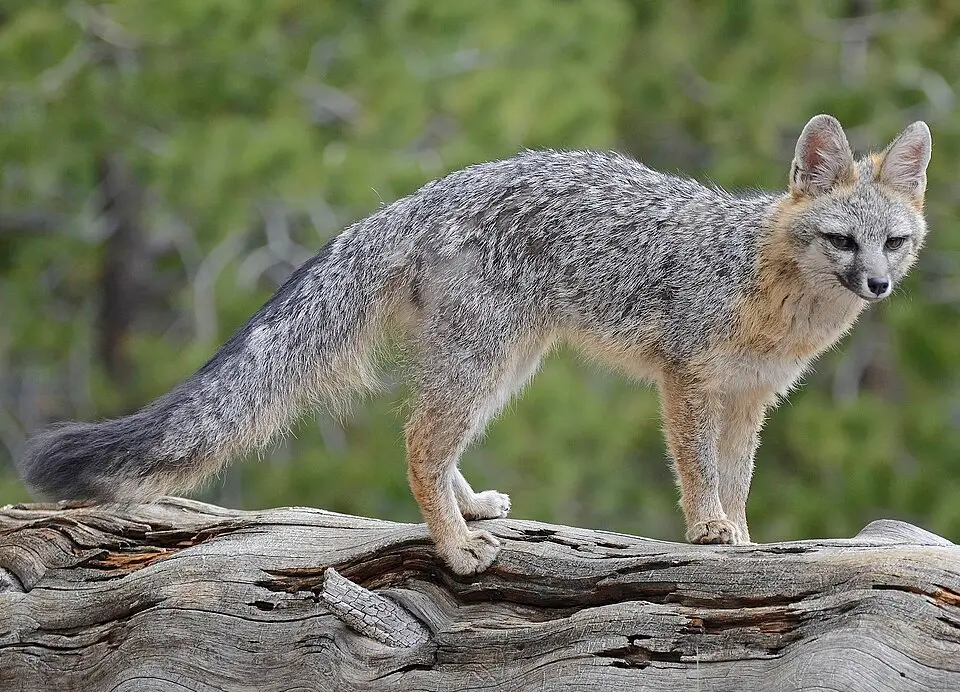
The gray fox belongs to the genus Urocyon, which is considered one of the most ancient lineages within the family Canidae. The scientific name Urocyon cinereoargenteus translates roughly to "ash-silver tailed dog," a fitting description for an animal whose coat shimmers with a grizzled mixture of gray, silver, and russet tones.
One of the most striking and well-known characteristics of the gray fox is its remarkable ability to climb trees — a skill virtually unmatched among canids in North America. Using strong, hooked claws and muscular limbs, gray foxes can ascend trees with surprising agility to escape predators, seek shelter, or even forage for food. This arboreal tendency is so well-documented that the gray fox is sometimes informally called the "tree fox." They have been observed resting on branches and navigating through tree canopies in ways that seem far more reminiscent of a cat than a dog.
The gray fox has a slender, medium-sized body with a bushy tail that is tipped in black — a key distinguishing feature that separates it from the red fox (Vulpes vulpes), whose tail characteristically ends in white. The coat is a salt-and-pepper gray along the back and sides, with warm rufous or reddish-brown coloring along the neck, sides, and legs. The face is typically marked with a dark stripe running from the eye toward the back of the head, and the muzzle is relatively narrow and pointed.
Adult gray foxes are generally between 31 and 44 inches in total length, including the tail, and typically weigh between 7 and 13 pounds, though exact measurements can vary across their range. They are sexually dimorphic to a modest degree, with males tending to be slightly larger than females.
Gray foxes are primarily crepuscular and nocturnal, meaning they are most active during the hours around dawn, dusk, and throughout the night. This behavior helps them avoid daytime predators and human activity. Their senses are finely tuned — sharp hearing, a highly developed sense of smell, and keen eyesight all contribute to their success as hunters and foragers.
As omnivores, gray foxes have a broad and flexible diet. They consume small mammals such as rabbits, mice, and voles, as well as birds, insects, fruits, nuts, and carrion. This dietary flexibility is one of the reasons the species has managed to thrive across a wide variety of landscapes and conditions. In seasons when fruit and berries are abundant, plant material can make up a significant portion of their diet — another behavioral trait more commonly associated with omnivores than strict carnivores.
Gray foxes typically mate in late winter, and after a gestation period of roughly 53 days, females give birth to litters that commonly range from three to seven pups. The young are born helpless and blind, but develop quickly under the attentive care of both parents. By late summer, the young foxes are largely independent and begin dispersing to establish their own territories.
Habitat & Range
The gray fox boasts one of the most expansive geographic ranges of any canid in the Americas. It is found from southern Canada through most of the continental United States, continuing through Mexico and Central America, and into parts of northern South America. This broad distribution speaks to the animal's remarkable adaptability.
In terms of preferred habitat, the gray fox tends to favor areas with dense cover — mixed woodlands, brushy terrain, chaparral, and forested edges are among its most commonly used environments. Unlike the red fox, which often thrives in open agricultural landscapes and suburban settings, the gray fox tends to seek out more secluded, densely vegetated areas. Rocky outcroppings and areas near water are also commonly used.
In Washington State, gray foxes are part of the wildlife mosaic of the Pacific Northwest, a region celebrated for its ecological diversity. Washington's varied landscape — from the dense coniferous forests west of the Cascades to the drier shrub-steppe and woodland habitats of eastern Washington — provides a range of potential habitat types that gray foxes can utilize. The state's brushy canyonlands, riparian corridors, and mixed forest edges are particularly well-suited to a species that values dense cover and varied terrain.
Washington itself is a state of remarkable natural richness. Bordered by the Pacific Ocean to the west, Oregon to the south, Idaho to the east, and the Canadian province of British Columbia to the north, Washington encompasses a stunning range of ecosystems. This geographic and ecological diversity makes the state home to an impressive array of wildlife, and the gray fox is one of the more intriguing members of this community.
Hunting Information
The gray fox has a long history as a game species across North America, valued both for its fur and as a challenging quarry for hunters who pursue predators. Fox hunting and trapping have deep cultural roots in American outdoor tradition, and the gray fox has been a part of that heritage for generations.
The pursuit of gray foxes typically involves methods such as calling, trapping, and hunting with hounds. Predator calling — using electronic or mouth-blown calls that imitate the sounds of distressed prey — can be an effective method for bringing gray foxes within range. Because of their natural curiosity and opportunistic feeding habits, gray foxes often respond well to calls, making them a popular target for predator hunters.
For hunters and trappers in Washington State, it is important to consult the Washington Department of Fish and Wildlife (WDFW) for the most current and accurate information regarding seasons, licensing requirements, and any applicable regulations for gray fox. Hunting regulations can change from year to year, and responsible hunters always verify current rules before heading afield. The source data available for this article does not specify current season dates or licensing requirements for gray fox in Washington, so prospective hunters are strongly encouraged to visit the WDFW's official website or contact the agency directly to obtain up-to-date regulatory information.
What can be said generally is that pursuing gray foxes requires patience, woodsmanship, and a solid understanding of the animal's habits. Early morning and evening hunts, particularly in areas with dense brushy cover near forest edges and rocky terrain, tend to offer the best opportunities. Scouting for tracks, scat, and denning areas in advance of a hunt can greatly improve the chances of a successful outing.
Conservation
The gray fox is currently listed as a species of least concern by major wildlife conservation organizations, reflecting the fact that its populations are generally stable across much of its range. The species' adaptability — both in diet and habitat use — has helped it persist even in landscapes that have been significantly altered by human activity.
That said, like all wildlife, gray foxes benefit from thoughtful land stewardship and responsible hunting and trapping practices. Maintaining healthy woodland and brushland habitats, protecting riparian corridors, and adhering to regulated harvest limits all contribute to the long-term sustainability of gray fox populations.
In Washington and across the broader Pacific Northwest, wildlife management agencies work diligently to monitor predator populations and ensure that harvest levels remain sustainable. Hunters and trappers who engage with these species play an important role in the broader conservation ecosystem — both by contributing to population data through harvest reporting and by supporting wildlife management funding through license purchases.
The gray fox's story is ultimately one of resilience. A species that has survived across millennia, adapted to an extraordinary range of environments, and continued to thrive alongside human civilization, the gray fox is a testament to the enduring vitality of North America's wildlife heritage.