Overview
Few birds are as instantly recognizable across North America as the Canada goose. With its distinctive black head and neck, bright white chinstrap, and resonant honking call, Branta canadensis is a familiar presence on lakes, rivers, golf courses, parks, and farmlands from coast to coast. Whether you encounter a flock migrating in a sweeping V-formation against an autumn sky or a pair of geese guarding their nest along a quiet riverbank, the Canada goose commands attention and respect.
In Washington State, the Canada goose holds a particularly prominent place in the natural landscape. Situated in the Pacific Northwest and bordered by the Pacific Ocean to the west, Oregon to the south, Idaho to the east, and the Canadian province of British Columbia to the north, Washington offers an extraordinary diversity of wetlands, river systems, and open spaces that serve as vital habitat for these birds throughout the year. From the broad agricultural valleys of eastern Washington to the coastal estuaries of Puget Sound, geese are deeply woven into the ecological and cultural fabric of the state.
For hunters, wildlife photographers, and nature lovers alike, understanding the biology, behavior, and habitat preferences of the Canada goose enriches every encounter with this iconic bird. This guide offers a thorough look at Branta canadensis — covering its biological traits, geographic range, hunting traditions, and the conservation principles that help ensure its future.
Biological Traits
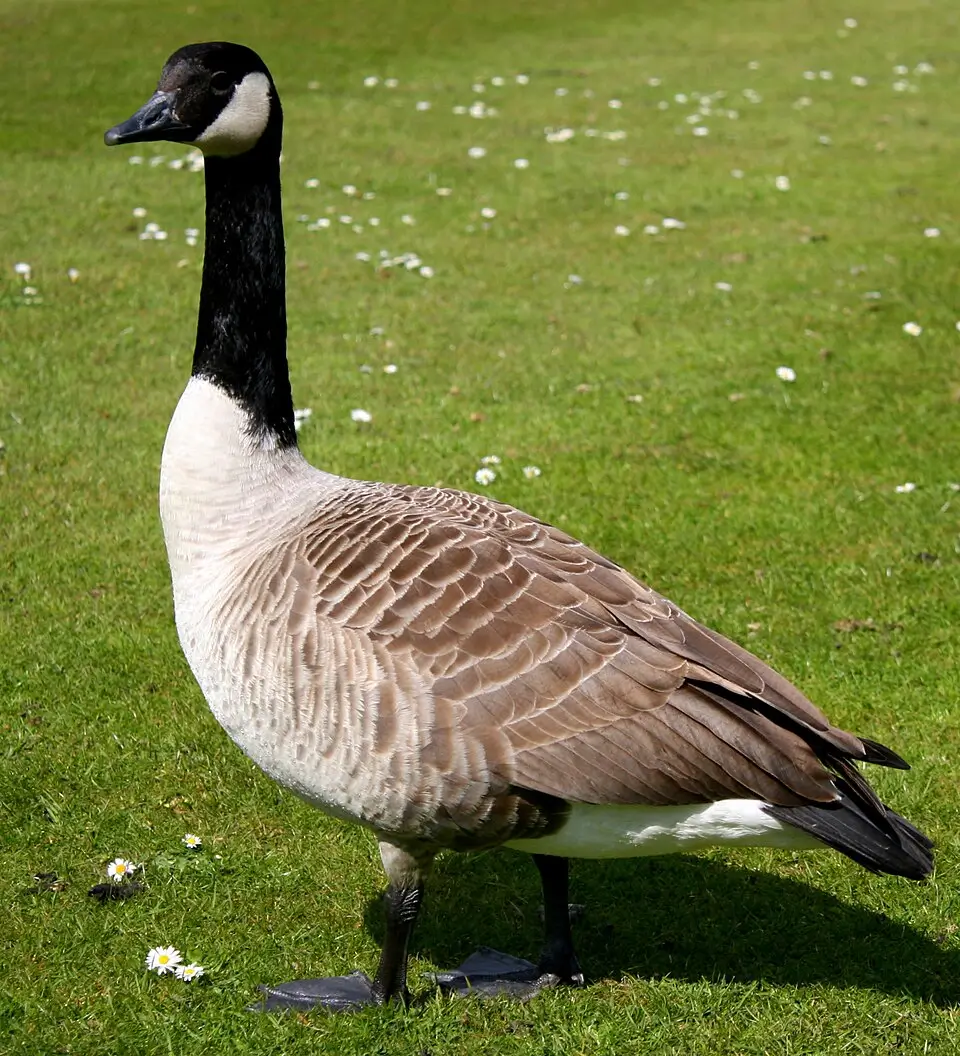
The Canada goose (Branta canadensis) belongs to the family Anatidae, which encompasses ducks, geese, and swans. It is one of the most widespread waterfowl species on the continent and is recognized by its striking and consistent plumage pattern. The bird features a black head and long black neck, sharply contrasted by a white patch on the chin and cheeks — the so-called "chinstrap" — that makes it unmistakable in the field. The body plumage is typically brown on the back and wings, with a lighter, creamy-tan breast and a white undertail region.
Canada geese are among the larger waterfowl species in North America. Body size can vary considerably depending on the subspecies, a topic worth exploring in some depth. Branta canadensis is not a monolithic species in terms of size; it encompasses multiple recognized subspecies that range from the large, familiar Giant Canada Goose (B. c. maxima) to smaller, more compact forms. This natural variation means that what you observe in Washington may differ somewhat in size and structure from populations seen elsewhere on the continent.
Both male (gander) and female (goose) Canada geese share similar plumage, making the sexes difficult to distinguish purely by coloration. Males tend to be slightly larger than females, but without direct comparison the difference can be subtle. The species is well known for forming strong, long-term pair bonds. Mated pairs typically stay together for multiple breeding seasons, and courtship behaviors — including head bobbing, calling, and posturing — are elaborate and fascinating to observe.
Canada geese are highly vocal birds. Their deep, resonant "honk" is one of the most recognizable sounds in the natural world, and the species uses a range of calls to communicate with flock members, warn of predators, and maintain contact during flight. During the nesting season, both parents are notably aggressive in defending their nests and goslings, readily chasing off intruders — including humans — that approach too closely.
Nesting typically occurs in spring. Females select nest sites near water, often on islands, shorelines, or elevated ground with good sight lines. The female incubates the eggs while the male stands guard nearby. Goslings hatch covered in yellow-green down and are precocial — able to walk, swim, and feed themselves within hours of hatching. Family groups remain cohesive well into autumn, with young geese learning migration routes and foraging behaviors from their parents.
The diet of the Canada goose is primarily herbivorous. Geese graze extensively on grasses, sedges, and agricultural crops such as corn, wheat, and soybeans. They also consume aquatic plants and, on occasion, berries and other plant material. This adaptability in diet is one reason the species thrives in such a wide range of environments, from pristine wilderness areas to heavily modified agricultural and suburban landscapes.
Canada geese are well known for their migratory behavior, although populations vary significantly in their migratory tendencies. Some populations are long-distance migrants that travel thousands of miles between breeding grounds in northern Canada and wintering areas in the southern United States. Others, particularly in regions with mild winters such as the Pacific Northwest, have become largely resident year-round, never departing for distant wintering grounds. These resident populations have expanded substantially over recent decades.
Habitat & Range
The Canada goose has one of the broadest geographic ranges of any North American waterfowl species. Its breeding range extends across much of Canada and the northern United States, while wintering populations are found throughout the contiguous United States and into northern Mexico. The species is also found year-round in many temperate regions where food and open water remain available through the winter months.
In Washington State, Canada geese are present throughout the year. The state's diverse geography — encompassing the lush, rain-drenched forests and coastal wetlands of the west side, the Cascade Range running north to south through the state's interior, and the drier, agricultural landscapes of eastern Washington — supports both resident and migratory goose populations.
Western Washington's proximity to Puget Sound, its network of rivers and estuaries, and its mild maritime climate make it an ideal year-round environment for resident Canada geese. Open urban parks, agricultural fields, golf courses, and shoreline areas along Puget Sound all support substantial goose populations. East of the Cascades, the Columbia River Basin, the Palouse region, and the many lakes and reservoirs of central and eastern Washington provide critical stopover, wintering, and breeding habitat for both migratory and resident birds.
During migration, Washington lies within the Pacific Flyway, one of the four major migratory bird corridors in North America. The Pacific Flyway channels millions of waterfowl through the western portion of the continent each autumn and spring, and Canada geese form a significant component of that movement. Hunters and wildlife watchers in Washington have the opportunity to encounter birds from multiple populations and subspecies as they move through the state during these seasons.
Wetlands, rivers, lakes, and agricultural fields are the primary habitat types sought by Canada geese in Washington. Shallow wetlands with emergent vegetation provide nesting cover and food resources, while open agricultural areas offer abundant grazing opportunities. The adaptability of the species means it uses both protected natural areas and highly altered human landscapes with equal facility.
Hunting Information
Canada goose hunting is a beloved tradition across North America and represents one of the premier waterfowl hunting experiences available to sportsmen and sportswomen. In Washington State, Canada goose hunting takes place within the framework of regulations established by the Washington Department of Fish and Wildlife (WDFW) in coordination with federal guidelines, as migratory birds are jointly managed under the Migratory Bird Treaty Act.
Hunters pursuing Canada geese in Washington should always consult the most current WDFW waterfowl hunting regulations for up-to-date information on season dates, bag limits, legal hunting zones, and licensing requirements. Regulations for migratory waterfowl can change from year to year based on population surveys and management recommendations, so reviewing the current season's rules before heading afield is essential.
Canada goose hunting in Washington typically takes place during the autumn and early winter months when migratory birds are moving through the state and resident populations are actively using agricultural fields and wetlands. Hunting methods commonly employed include field hunting with decoy spreads, calling, and concealment in natural or artificial blinds. Scouting for active feeding and resting areas in the days before a hunt significantly increases success rates.
Decoy spreads for Canada geese can range from a few dozen to several hundred decoys depending on the situation and the terrain. Full-body field decoys are widely used in agricultural settings, while shell decoys and floaters are popular options for water hunting. Effective calling is another cornerstone of Canada goose hunting — skilled hunters use short-reed or flute-style calls to replicate the greeting calls, feeding chuckles, and comeback calls that draw geese within range.
All hunters in Washington must possess the appropriate state hunting license and required federal and state waterfowl stamps. Non-toxic shot is required for all waterfowl hunting in the United States under federal law, and hunters should ensure they are using approved ammunition. As specific season dates and bag limits were not available in the source data consulted for this article, hunters are strongly encouraged to verify current regulations directly with the Washington Department of Fish and Wildlife at wdfw.wa.gov.
Conservation
The Canada goose story is, in many ways, a compelling conservation success. Some subspecies, particularly the Giant Canada Goose, were believed to be extinct or nearly so by the mid-twentieth century due to overhunting and habitat loss. Concerted recovery efforts — including habitat restoration, regulated hunting seasons, and targeted reintroduction programs — helped bring these populations back from the brink.
Today, Canada goose populations across North America are generally robust and, in many areas, expanding. Resident populations in particular have grown substantially, benefiting from the proliferation of manicured green spaces, suburban ponds, and agricultural areas that provide abundant food with minimal predator pressure. This growth has prompted ongoing management discussions among wildlife agencies to balance population levels with ecological and social considerations.
Regulated hunting serves as an important population management tool for Canada geese, helping to maintain populations at levels consistent with available habitat and broader ecological goals. Hunters, through the purchase of licenses and federal duck stamps, contribute directly to wetland conservation and waterfowl habitat programs across the country — including in Washington State.
Washington's participation in the Pacific Flyway Council's management framework ensures that Canada goose populations using the state are managed with science-based, coordinated approaches that consider the full migratory range of the birds. Conservation of the wetlands, rivers, and agricultural landscapes that geese depend upon in Washington remains an ongoing priority for state and federal wildlife managers, hunters, and conservation organizations.