Overview
Few animals embody the wild spirit of North America quite like the bobcat. Stealthy, adaptable, and hauntingly beautiful, the bobcat (Lynx rufus) is the most widespread wild cat on the continent, ranging from the humid swamps of Florida to the rugged peaks of the Pacific Northwest. In Washington State — a land defined by ancient forests, volcanic mountain ranges, shrub-steppe deserts, and dramatic river valleys — the bobcat finds an ideal home. Whether you are a wildlife watcher hoping to catch a glimpse of this secretive predator, a hunter pursuing one of North America's most challenging quarries, or simply a nature lover curious about the animals that share the landscape, understanding the bobcat is a deeply rewarding endeavor.
The bobcat is a member of the family Felidae and the genus Lynx, placing it in close company with its larger northern cousin, the Canada lynx (Lynx canadensis). Despite its relatively compact size, the bobcat is a formidable and highly successful predator. It has survived — and in many regions thrived — alongside human development, demonstrating a resilience that is nothing short of remarkable. In Washington State, bobcats are a recognized part of the native wildlife community, contributing to the ecological balance that makes the Pacific Northwest one of the most biologically rich regions in the United States.
This guide explores the bobcat's biology, its preferred habitats in and around Washington, its role in the ecosystem, and what hunters and wildlife enthusiasts need to know about encountering this magnificent animal.
Biological Traits
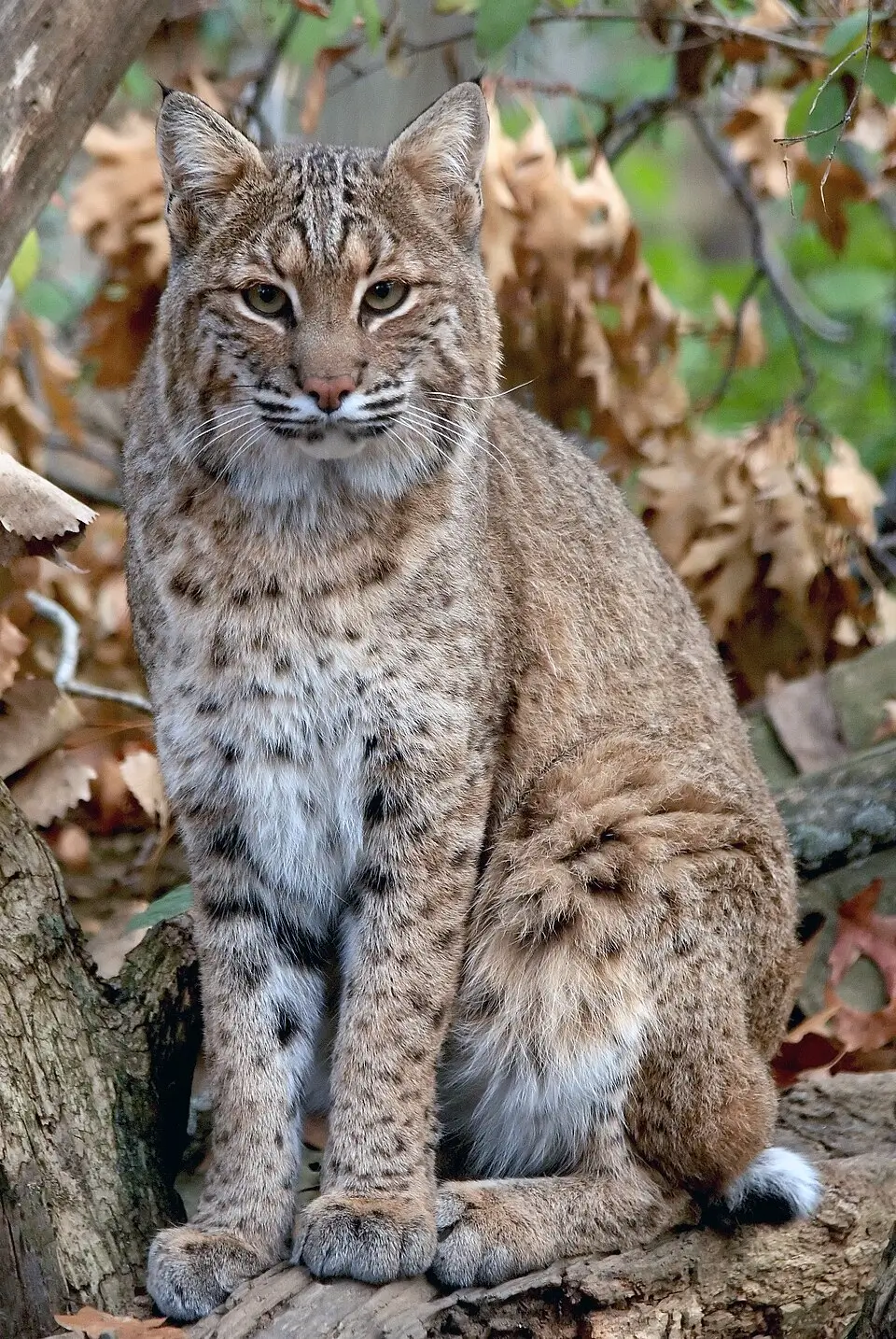
The bobcat (Lynx rufus) is a medium-sized wild cat that typically weighs between 11 and 30 pounds, though size can vary considerably depending on geography, sex, and season. Males are generally larger than females, a common trait among felids. The animal's most recognizable features include its short, "bobbed" tail — from which it takes its common name — tufted ears, and a distinctive spotted or streaked coat that provides exceptional camouflage in nearly every habitat the species occupies.
The bobcat's fur is typically tawny to grayish-brown on the upper body, often marked with dark streaks and spots that vary in intensity among individuals and subspecies. The belly and inner legs are white or light-colored and frequently spotted. The short tail is banded with black markings and tipped with black on top and white underneath, a useful field identification feature that distinguishes it from the Canada lynx, which has a fully black tail tip all the way around.
One of the bobcat's most impressive biological attributes is its sensory capability. Its large, forward-facing eyes are designed for low-light conditions, giving it excellent night vision that supports its primarily crepuscular and nocturnal hunting habits. Its ears are highly mobile and sensitive, capable of detecting the faint rustle of prey beneath snow or leaf litter. Combined with retractable claws and powerful, muscular hindquarters built for explosive short-distance pursuits, the bobcat is a precision predator.
Bobcats are solitary animals, and individuals maintain home ranges that vary widely in size depending on prey availability, terrain, and season. Males typically maintain larger home ranges than females, and these ranges may overlap with those of several females. Scent marking — using urine, feces, and scratch marks — is the primary method by which bobcats communicate territorial boundaries and reproductive status to other individuals.
Mating in bobcats generally occurs in late winter or early spring, with females giving birth to litters of one to six kittens after a gestation period of roughly 60 to 70 days. The kittens are born blind and helpless, and they remain dependent on their mother for several months, learning the critical hunting and survival skills they will need as independent adults. Juveniles typically disperse from their mother's range in their first autumn or winter.
The bobcat is a generalist carnivore with an impressively broad diet. Rabbits and hares form the cornerstone of their diet across most of their range, but bobcats are opportunistic hunters fully capable of taking deer — particularly fawns and weakened adults — as well as squirrels, mice, voles, birds, and even reptiles and insects when larger prey is scarce. This dietary flexibility is one of the key reasons the bobcat has proven so resilient over centuries of landscape change.
Habitat & Range
The bobcat is the most widely distributed wild cat in North America, ranging from southern Canada through the contiguous United States and into central Mexico. Within the United States, the species occupies virtually every ecosystem type, from the cypress swamps of the Southeast to the sagebrush deserts of the Great Basin and the dense coniferous forests of the Pacific Northwest.
In Washington State, the bobcat occupies a particularly diverse array of landscapes. The state's geography is remarkably varied — bisected by the Cascade Range into a wet, forested west side and a drier, more open east side — and the bobcat is well-represented in both environments. On the western slopes of the Cascades, bobcats find dense mixed forests with abundant deer populations and complex terrain that suits their ambush hunting style. On the eastern side, the shrub-steppe and ponderosa pine ecosystems of the Columbia Basin and Okanogan Highlands provide open country hunting opportunities alongside brushy riparian corridors that offer cover and prey.
Bobcats are not strictly creatures of deep wilderness. In Washington, as in much of their range, they are quite capable of utilizing edge habitats — the transitional zones between forest and open land — where prey concentrations tend to be highest. Farmland borders, brushy draws, rocky outcroppings, and wooded stream corridors are all favored bobcat haunts. This adaptability is a testament to the species' evolutionary success.
The species shows a strong preference for areas with abundant ground-level cover, which supports both hunting and denning. Rock piles, hollow logs, dense brush, and cliff ledges all serve as shelter sites. Washington's rugged topography provides no shortage of such features, making the state excellent bobcat country from the Olympic Peninsula to the Blue Mountains.
Hunting Information
The bobcat is a prized quarry among predator hunters and trappers across its range, valued for its striking pelt and the challenge it presents to even experienced hunters. Bobcat hunting requires patience, woodsmanship, and a thorough understanding of the animal's behavior — it is not an endeavor that rewards shortcuts.
Because the source data available for this article does not include specific current season dates, bag limits, or licensing requirements for bobcat hunting in Washington State, hunters are strongly encouraged to consult the Washington Department of Fish and Wildlife (WDFW) directly for the most up-to-date and accurate regulatory information before pursuing bobcats. Regulations governing bobcat hunting and trapping can change between seasons, and compliance with all applicable state laws is both a legal obligation and an ethical responsibility.
In general terms, bobcat hunters across North America employ several primary methods. Calling — using electronic or mouth calls that mimic the distress sounds of injured rabbits or other small prey — is one of the most effective techniques, drawing curious and predatory bobcats into shooting range. Hunters typically set up in areas with fresh sign such as tracks, scrapes, or scat, and call sequences may run anywhere from 20 minutes to over an hour. Bobcats are known for their cautious approach to calls, often circling downwind before committing, which demands attentive and disciplined hunters.
Trapping is another traditional and effective method for taking bobcats, with foothold traps and cage traps both employed depending on the setting and applicable regulations. Trapping bobcats requires considerable skill in reading terrain, placing sets near natural travel corridors, and using effective lures and attractants.
Hunters in Washington pursuing bobcats will find that the state's varied terrain demands different approaches in different regions. In the dense forests of the western Cascades, close-range encounters and careful still-hunting may be necessary. In the more open landscapes of eastern Washington, longer-range calling setups with clear shooting lanes are often more productive.
Regardless of method, ethical hunting practices — including the responsible use of harvested animals and adherence to all licensing requirements — are paramount. Bobcat pelts, when properly handled, are beautiful and commercially valuable, representing a tangible connection to North America's rich furbearer heritage.
Conservation
The bobcat's conservation status is a genuine success story in North American wildlife management. The species is currently listed as Least Concern by the International Union for Conservation of Nature (IUCN), reflecting its broad range, adaptability, and relatively stable populations across most of its habitat. Unlike many other large predators, the bobcat has managed to coexist with substantial human landscape modification, persisting in agricultural areas, suburban fringes, and fragmented forest patches that other carnivores have long since abandoned.
Bobcats are protected under the Convention on International Trade in Endangered Species (CITES), specifically listed on Appendix II, which requires that international trade in bobcat products — including pelts — be regulated to ensure it does not threaten the species' survival. In practice, this means that hunters and trappers in the United States who wish to export bobcat pelts must comply with CITES documentation requirements, an important consideration for Washington hunters engaged in the fur trade.
In Washington State, the bobcat benefits from the state's robust wildlife management framework administered by the Washington Department of Fish and Wildlife. The WDFW monitors furbearer populations, sets science-based harvest limits, and conducts research to ensure that bobcat populations remain healthy across the state's diverse landscapes.
Habitat conservation is the cornerstone of long-term bobcat viability. Maintaining connected landscapes that support prey populations — particularly rabbits, hares, and deer — is essential. Washington's extensive network of state and federal public lands, including national forests, wilderness areas, and wildlife refuges, provides large blocks of quality bobcat habitat that support healthy, self-sustaining populations.
Coexistence between humans and bobcats is generally straightforward. Bobcats are shy and secretive by nature, and unprovoked encounters with people are rare. Their role as predators of rabbits, rodents, and other small mammals makes them valuable contributors to ecological balance and, in agricultural contexts, natural pest management.
Conclusion
The bobcat is one of Washington State's most compelling wildlife residents — a sleek, adaptable, and ecologically vital predator that thrives across the state's remarkable geographic diversity. From the old-growth forests of the Olympic Peninsula to the sage and rock country of the Columbia Basin, the bobcat is a testament to the enduring wildness of the Pacific Northwest. For hunters, it represents a challenging and rewarding pursuit deeply rooted in North American outdoor tradition. For wildlife enthusiasts, it is a symbol of the continent's rich and resilient natural heritage.
Whether you encounter a bobcat crossing a snowy forest road at dusk or find its distinctive tracks pressed into the mud along a creek bank, this extraordinary animal leaves a lasting impression on all who share its landscape.