Overview
Few birds evoke the spirit of the American countryside quite like the Northern bobwhite (Colinus virginianus). Its unmistakable whistled call — a bright, rising "bob-WHITE!" — has echoed across fields, forest edges, and brushy pastures for centuries, becoming one of the most recognizable sounds in the natural world. Whether you are a devoted upland bird hunter, a passionate wildlife watcher, or simply someone who enjoys spending time outdoors, the Northern bobwhite occupies a special place in the hearts of those who encounter it.
This small but charismatic bird belongs to the family Odontophoridae, the New World quails, and represents one of the most studied and culturally significant game birds in North America. Its range spans a broad swath of the eastern United States, parts of the Midwest, and into Mexico and Central America, making it a species deeply embedded in the ecological fabric of the continent. Understanding the Northern bobwhite — its biology, its habits, its habitat needs, and its place in American hunting culture — offers a window into the broader story of North American wildlife management and conservation.
Biological Traits
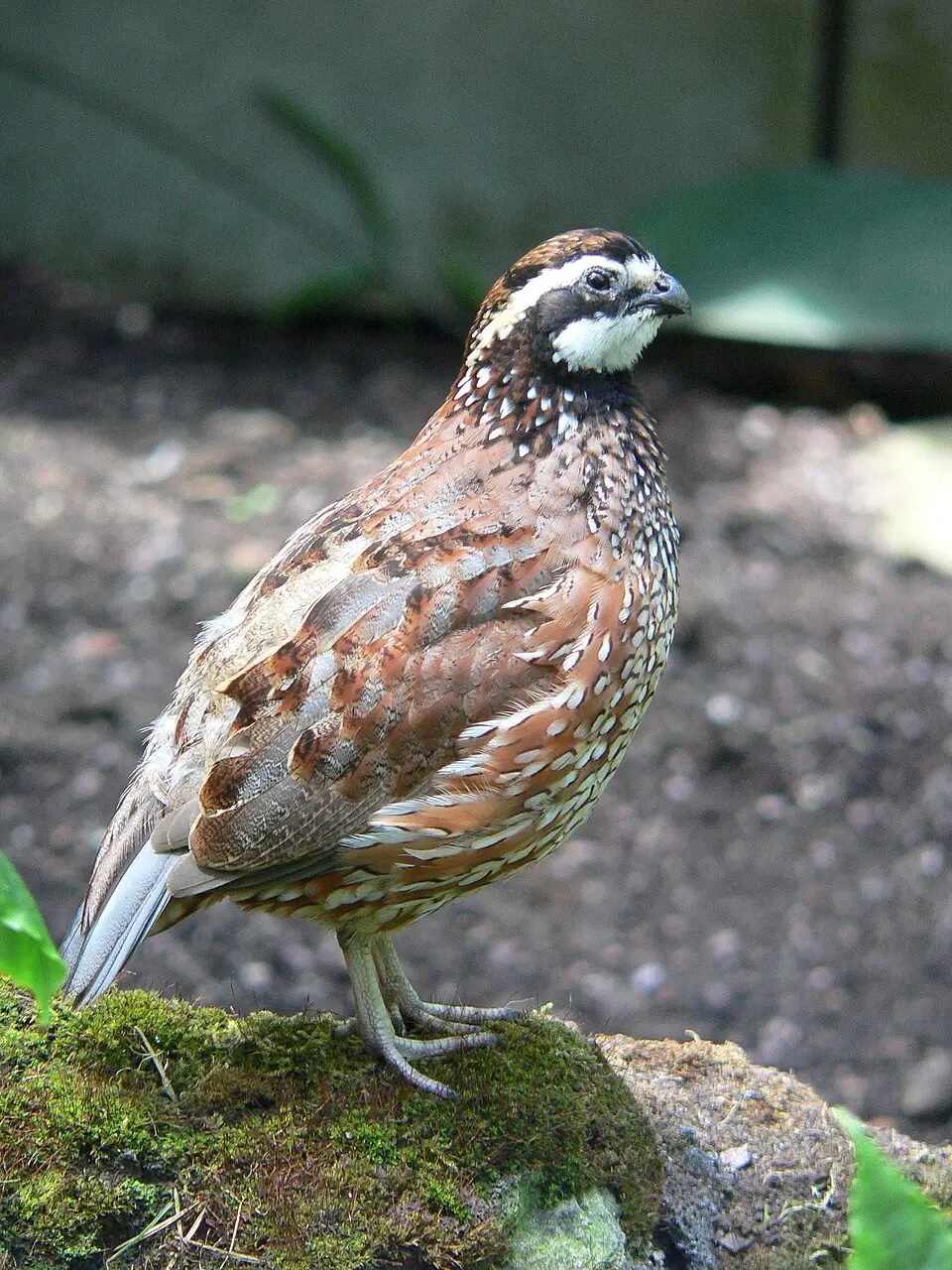
The Northern bobwhite is a compact, rounded bird typical of the quail family. Adults are relatively small, sporting plump bodies designed for quick bursts of flight rather than long-distance travel. The species exhibits notable sexual dimorphism, meaning males and females display distinct differences in plumage. Males are adorned with a striking white throat and a bold white supercilium (eyebrow stripe) that contrasts sharply against a rich chestnut and black head pattern. Females, by contrast, display a more subdued version of the same pattern, with buff or tan coloring replacing the bright white of the male.
The body plumage of both sexes is a complex mosaic of reddish-brown, black, and white markings that provide remarkable camouflage among dead leaves, grasses, and brush. This cryptic coloration is not merely decorative — it is a critical survival adaptation that allows bobwhites to blend almost invisibly into their surroundings when threatened.
One of the most fascinating behavioral traits of the Northern bobwhite is its social structure outside of the breeding season. Bobwhites form tight-knit groups known as coveys, typically comprising anywhere from a handful to over a dozen birds. Covey members roost together in a distinctive circular formation, tails pointing inward and heads facing outward, which allows them to conserve body heat while maintaining a 360-degree watch for predators. When alarmed, a covey will explode into the air in a sudden, thunderous flush — a heart-stopping moment for any hunter or wildlife observer lucky enough to witness it.
Breeding season brings a remarkable shift in behavior. The Northern bobwhite is one of the few bird species in which males take an active role in incubation and chick-rearing. After the female lays a clutch of eggs — typically a dozen or more — the male may take primary responsibility for incubating the nest and brooding the precocial chicks once they hatch. This shared parental investment, combined with the species' ability to produce multiple broods in a single season, reflects an evolved strategy for maintaining population levels in the face of high predation pressure.
The diet of the Northern bobwhite is varied and shifts with the seasons. During warmer months, insects and other invertebrates form an important component of their diet, especially for growing chicks, which require high amounts of protein. As the seasons change, seeds become the primary food source, with bobwhites consuming a wide variety of native grasses, legumes, and agricultural crop remnants. This dietary flexibility makes them somewhat adaptable, though they remain closely tied to specific types of habitat.
The vocalizations of the bobwhite go beyond the iconic "bob-WHITE!" call for which the species is named. Males use this call primarily during the breeding season to establish territory and attract mates. The birds also employ a range of softer contact calls within the covey, helping members stay connected as they move through dense cover.
Habitat & Range
The Northern bobwhite thrives in what ecologists often describe as "early successional" habitats — landscapes in a relatively early stage of ecological development. This includes brushy field edges, overgrown pastures, open pine savannas, hedgerows, fallow agricultural fields, and areas where forest meets open ground. The key ingredients for quality bobwhite habitat include a mix of open ground for foraging, dense low shrubs and bunchgrasses for cover and nesting, and an ample supply of seeds and insects.
Historically, bobwhites were widespread across much of the eastern United States, occupying a range that extended from southern New England and the Great Lakes southward through the Gulf Coast states and into Mexico and Guatemala. Their distribution was closely tied to the mosaic of open agricultural lands, native grasslands, and woodland edges that characterized much of the American landscape in previous centuries.
In more recent times, the Northern bobwhite's range and population have shifted considerably, a pattern we will address in the Conservation section. The species remains most abundant in the southeastern United States, where favorable habitat conditions persist across large areas. States like Georgia, Alabama, Mississippi, Texas, and Oklahoma continue to support robust bobwhite populations and active hunting traditions.
In the northeastern United States, including Vermont, the bobwhite's presence has become increasingly rare and localized. Vermont, a landlocked state in the New England region, sits near the northern edge of the bobwhite's historical range. The state's heavily forested landscape, cool climate, and relatively limited areas of early successional habitat make it marginal territory for bobwhite populations. While bobwhites may historically have occurred in the warmer, more open valleys of Vermont, they are not considered a reliably established resident species in the state today.
Hunting Information
The Northern bobwhite has an extraordinarily rich tradition as a game bird. For generations, upland bird hunting — particularly "quail hunting" as it is colloquially known throughout much of the South and Midwest — has been a cornerstone of American outdoor culture. The pursuit of bobwhites with pointing dogs, retrievers, and well-worn side-by-side shotguns represents one of the oldest and most cherished hunting traditions on the continent.
Bobwhite hunting is typically conducted with the assistance of well-trained bird dogs, particularly pointing breeds such as English Pointers, English Setters, and Brittany Spaniels. A good bird dog will range ahead of hunters, wind-scent a covey holding tight in the brush, lock up on point, and allow hunters to approach for a flush. The explosive, multi-bird flush of a bobwhite covey presents one of the most exciting and challenging wing-shooting opportunities in all of upland hunting. Hunters typically use light 20-gauge or 12-gauge shotguns loaded with small shot sizes appropriate for these small, fast-flying birds.
Where bobwhite hunting regulations exist, seasons are typically managed carefully by state wildlife agencies to align with population data and ensure sustainable harvest. Hunters should always consult their state's fish and wildlife agency for current season dates, bag limits, license requirements, and any special regulations that may apply.
Hunting Northern Bobwhite in Vermont: It is important for hunters and wildlife enthusiasts in Vermont to be aware that, based on the available information, there are no confirmed established hunting seasons for Northern bobwhite in the state of Vermont. The Vermont Department of Fish and Wildlife does not currently publish specific bobwhite hunting regulations, which reflects the bird's status as a rare and marginal species in the region. Vermont hunters interested in pursuing bobwhite quail are encouraged to explore opportunities in states where the species is more abundant and where active hunting seasons are maintained. Always verify current regulations directly with the Vermont Department of Fish and Wildlife before pursuing any game species.
Conservation
The Northern bobwhite is among the most closely monitored game birds in North America, and its story over the past several decades is one of significant conservation concern. Populations have declined substantially across much of their range, driven primarily by large-scale changes in land use. The conversion of diverse agricultural landscapes — with their hedgerows, brushy field margins, and fallow ground — into large monoculture row crop operations has dramatically reduced the mosaic habitat that bobwhites depend upon.
Reforestation of formerly open lands, urban and suburban development, and the reduction of prescribed fire on southern pine landscapes have similarly reduced available habitat. Intensified weather events and shifts in regional climate patterns add additional pressure to a species already facing numerous challenges.
In response, a broad coalition of conservation organizations, wildlife agencies, and private landowners has rallied around bobwhite restoration efforts. The National Bobwhite Conservation Initiative represents one of the largest coordinated upland bird conservation efforts in American history, working across multiple states to restore and enhance habitat at meaningful scales. Conservation practices such as native grass restoration, hedgerow planting, prescribed burning, and strategic management of agricultural field margins have all shown promise in supporting bobwhite populations.
Hunters have long been among the most active and financially significant supporters of bobwhite conservation. Through license fees, excise taxes on sporting goods under the Federal Aid in Wildlife Restoration Act (Pittman-Robertson Act), and direct support of conservation organizations, hunters contribute millions of dollars annually toward habitat restoration and population research. This tradition of sportsmen and sportswomen investing in the future of game species reflects the broader model of North American wildlife conservation that has proved so successful over the past century.
The Northern bobwhite's future depends on continued commitment from all stakeholders — land managers, conservation organizations, government agencies, and the hunting community alike. Its bright, whistled call remains a symbol of healthy, diverse American landscapes, and there is reason for measured optimism as restoration efforts gain momentum.