Overview
Few waterfowl species command as much respect and admiration among hunters and naturalists alike as the American black duck (Anas rubripes). A bird deeply woven into the fabric of North American wetland ecosystems, the American black duck is one of the most recognizable and sought-after ducks in the eastern United States and Canada. Often called the "black mallard" by experienced hunters, this robust dabbling duck has long been a centerpiece of waterfowl culture in the northeastern United States — a region where its dark silhouette against a gray autumn sky is an iconic and memorable sight.
For those in Vermont and across the broader New England region, the American black duck holds a special place. Vermont's rich network of lakes, rivers, wetlands, and forested waterways provides some of the finest habitat this species encounters during its annual cycle. Whether you are a seasoned waterfowler heading out before dawn on a cold November morning, a wildlife photographer seeking the perfect shot at the marsh's edge, or simply a nature enthusiast curious about the birds sharing your landscape, understanding the American black duck in depth adds a rewarding dimension to your time outdoors.
This guide draws on established biological knowledge about Anas rubripes to provide a thorough, factual, and engaging look at this extraordinary bird — from its distinctive physical traits and ecological role to its connection with the hunting tradition and the ongoing conservation efforts that ensure future generations will share the landscape with it.
Biological Traits
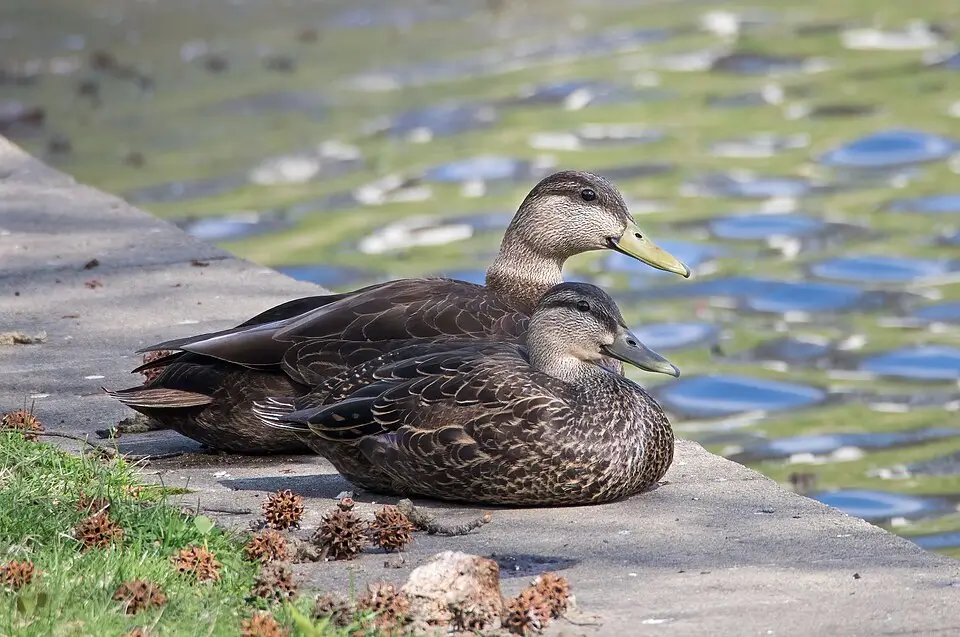
The American black duck is a large dabbling duck, placing it in the same genus — Anas — as the familiar mallard (Anas platyrhynchos), with which it shares many behavioral and ecological traits. Despite being commonly referred to as "black," the species is more accurately described as very dark brown. Both males and females display similar dark, sooty-brown body plumage with a noticeably paler head and neck, creating a striking contrast. The underwings flash a brilliant white in flight, a field mark that helps observers identify the species even at a distance.
One of the more subtle but reliable distinguishing features between the sexes involves bill coloration. Males, known as drakes, typically display a yellow or olive-yellow bill, while females, or hens, show a duller, greenish-yellow to orange-mottled bill. Both sexes share a vivid violet-blue speculum — the iridescent patch on the trailing edge of the wing — which is bordered by black rather than the white borders seen on the mallard's speculum. This detail, combined with the bird's darker overall coloration, helps birders and hunters differentiate it from its closest relative.
In terms of size, the American black duck is a robust waterfowl. It is generally comparable in size to a mallard, making it a substantial bird by dabbling duck standards. Its legs and feet are typically reddish-orange, providing another useful identification cue in the field.
The species hybridizes frequently with the mallard, a fact well-documented in ornithological literature. In areas where the two species overlap, hybrid individuals displaying intermediate characteristics are not uncommon. This hybridization is considered one of several factors affecting black duck populations, as purebred individuals can be difficult to distinguish from hybrids in the field.
Like other dabbling ducks, the American black duck feeds primarily by tipping forward in shallow water — a feeding behavior known as "dabbling" — to consume aquatic vegetation, seeds, invertebrates, and small aquatic animals. During migration and winter, it may also forage in agricultural fields and flooded woodlands, demonstrating the dietary flexibility that has helped the species persist across a wide range of conditions.
Habitat & Range
The American black duck is fundamentally a bird of the eastern half of North America. Its breeding range extends from the Atlantic coast westward through Quebec, Ontario, and the Great Lakes region, and northward into Labrador and the boreal forests of Canada. In the United States, it breeds predominantly across the northeastern states, including Maine, New Hampshire, Vermont, New York, Pennsylvania, and portions of the Midwest.
Vermont, as a New England state bordered by New Hampshire, Massachusetts, New York, and the Canadian province of Quebec, sits squarely within the heart of the American black duck's range. The state's abundant freshwater resources — including Lake Champlain, the Connecticut River, numerous smaller lakes and ponds, and extensive wetland systems — create ideal conditions for this species throughout the year. Vermont's relatively low population density and large areas of undeveloped forested land further support healthy waterfowl habitat.
The American black duck shows a strong affinity for forested wetlands, bogs, marshes, beaver ponds, and coastal estuaries. Unlike the mallard, which readily adapts to urban and suburban environments, the black duck tends to favor wilder, less disturbed wetland habitats. This preference for quieter, more remote areas has been a defining characteristic of the species and is reflected in its stronghold across the wilder stretches of the northeastern United States and eastern Canada.
During migration and winter, American black ducks move southward and coastward, concentrating along the Atlantic seaboard, particularly in coastal marshes, estuaries, tidal flats, and inland river systems from New England southward to the Carolinas and beyond. Their ability to tolerate brackish and saltwater environments during winter makes them uniquely versatile among eastern dabbling ducks.
Hunting Information
The American black duck has been a prized quarry for waterfowl hunters in the eastern United States for generations. Its wariness, strong flight, and preference for wilder habitats have given it a reputation as one of the most challenging ducks to hunt — a fact that only adds to its appeal. Black duck hunting is deeply embedded in the hunting traditions of New England, the Mid-Atlantic states, and eastern Canada, where hunters have pursued the species in coastal marshes, river bottoms, and inland wetlands for well over a century.
In Vermont, waterfowl hunting is regulated at both the federal and state level. The U.S. Fish & Wildlife Service sets frameworks for migratory bird seasons, including bag limits and season dates for species like the American black duck, through the annual federal duck hunting regulations process. State wildlife agencies, including the Vermont Fish & Wildlife Department, then establish specific season dates and rules within those federal frameworks.
Hunters pursuing American black ducks in Vermont should be thoroughly familiar with current regulations before heading afield. Season dates, daily bag limits, and specific rules for black ducks can vary from year to year based on population assessments and management decisions. Because specific current season dates and license requirements for Vermont were not available in the source data for this article, hunters are strongly encouraged to consult the Vermont Fish & Wildlife Department directly or visit their official website for the most up-to-date and accurate regulatory information.
What is consistent year to year is that hunting American black ducks requires a valid hunting license, a federal duck stamp, and — where applicable — a state waterfowl stamp or permit. Hunters must also comply with all steel shot and non-toxic shot requirements that apply to waterfowl hunting nationwide in the United States.
From a practical standpoint, hunting American black ducks rewards patience, skill, and a thorough knowledge of the bird's behavior. Black ducks are famously wary — often described as among the most alert and suspicious of all North American ducks. Hunters who succeed consistently typically employ well-concealed blinds, realistic decoy spreads, and skilled calling techniques. The species responds well to standard mallard calls, given the two birds' close relationship, but overcalling can quickly alarm black ducks that have been subjected to hunting pressure.
Vermont's Lake Champlain corridor, river systems, and inland wetlands all offer opportunities for black duck hunting, with early morning and late evening flights being particularly productive during the season. Hunters in the state benefit from Vermont's position along the Atlantic Flyway, one of North America's four major migratory bird corridors, which channels significant numbers of black ducks through the region each autumn.
Conservation
The American black duck's conservation story is one of ongoing attention and active management. Historically, the species was one of the most abundant waterfowl in eastern North America. Over the course of the 20th century, population numbers experienced a notable decline, driven by a combination of factors including habitat loss, changes in land use, hunting pressure, and hybridization with the increasingly widespread mallard.
In response, wildlife managers in both the United States and Canada have worked collaboratively to monitor black duck populations and adjust hunting regulations accordingly. The Black Duck Joint Venture, a partnership under the North American Waterfowl Management Plan, has focused efforts on habitat conservation and population monitoring for the species. These cooperative management efforts across national and state/provincial boundaries reflect the reality that migratory birds require landscape-scale conservation strategies.
Habitat protection remains a cornerstone of black duck conservation. Preserving wetland ecosystems — the bogs, marshes, beaver ponds, and forested wetlands that black ducks depend upon — benefits not only this species but the entire community of wildlife that relies on healthy aquatic habitats. Organizations such as Ducks Unlimited have invested significantly in wetland restoration and conservation across the species' range, including in the northeastern United States.
Vermont's commitment to conserving its natural landscapes, including its wetlands and waterways, plays an important role in supporting American black duck populations at the regional level. The state's relatively intact forest cover and its network of protected lands and conservation easements contribute meaningfully to the broader habitat mosaic this species requires.
For hunters, practicing ethical harvest — respecting bag limits, correctly identifying targets before shooting, and supporting conservation organizations and habitat programs — is a direct and meaningful contribution to the long-term health of black duck populations. The hunting community has historically been among the most active and financially significant contributors to waterfowl conservation in North America, and that tradition continues with each hunting license and federal duck stamp purchased.
Conclusion
The American black duck (Anas rubripes) is far more than a target species for waterfowl hunters. It is a biological indicator of wetland health, a conservation success story still being written, and a living symbol of wild New England landscapes. For Vermonters and all who cherish the northeastern outdoors, the sight and sound of black ducks trading across a foggy marsh at first light is one of autumn's finest rewards.
Whether you encounter this bird through binoculars, a camera lens, or over a decoy spread, taking the time to understand Anas rubripes — its biology, its habits, and its needs — deepens the experience and strengthens the connection between people and the wild places we share.