Overview
Few animals embody the spirit of North American wetlands quite like the muskrat (Ondatra zibethicus). A semi-aquatic rodent of remarkable adaptability and industrious nature, the muskrat has carved out an essential ecological role across the continent's marshes, ponds, rivers, and lakes for thousands of years. Whether you're a wildlife enthusiast paddling quietly through a Vermont marsh, a fur trapper following traditions that stretch back centuries, or simply a curious naturalist, the muskrat offers an endlessly fascinating subject for study and appreciation.
In Vermont, a state defined by its glacially sculpted landscapes, forested hillsides, and a rich network of wetland habitats, the muskrat is a familiar and beloved resident. From the reed-lined shores of Lake Champlain to the quiet backwater ponds of the Northeast Kingdom, muskrats are an integral thread in the fabric of the Green Mountain State's natural heritage. Understanding this animal — its biology, behavior, ecological importance, and the traditions surrounding its harvest — is a rewarding endeavor for anyone who spends time in the outdoors.
Biological Traits
The muskrat, Ondatra zibethicus, is the sole member of its genus and holds a unique position in the rodent family Cricetidae. Though it resembles a large rat in overall body shape, the muskrat is actually more closely related to voles and lemmings than to true rats or mice. It is the largest member of the tribe Ondatrini and represents a remarkable example of evolutionary adaptation to a semi-aquatic lifestyle.
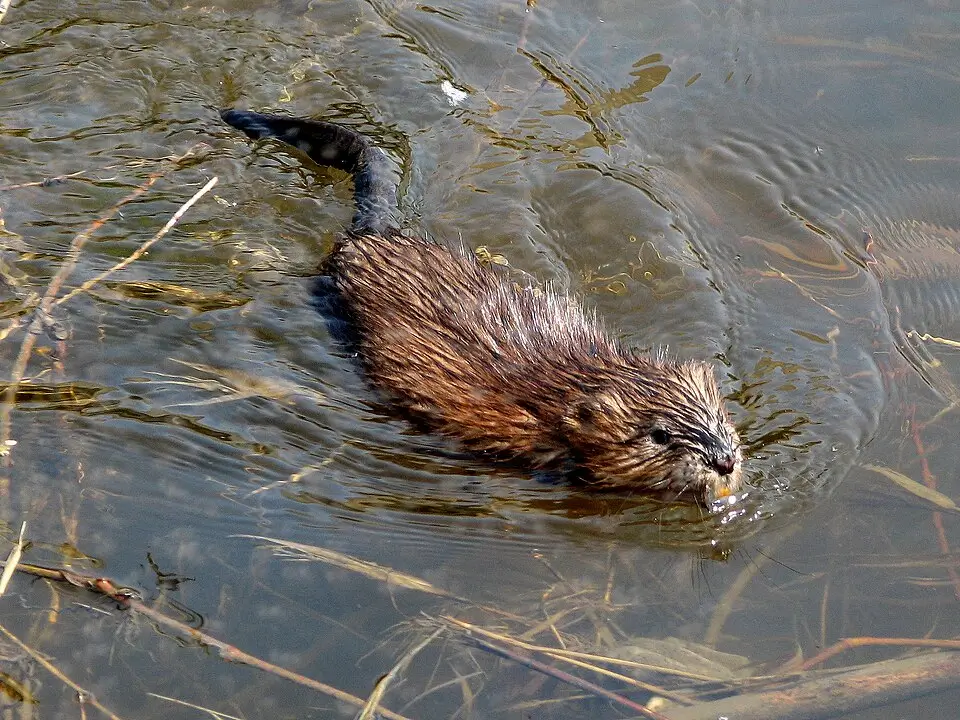
An adult muskrat is a stocky, medium-sized rodent. Its body is covered in two layers of fur — a dense, waterproof underfur that keeps the animal warm and dry even during extended swims, and longer, coarser guard hairs that give the coat its characteristic glossy appearance. The fur ranges in color from dark brown on the back to a lighter, sometimes grayish or rusty tone on the belly, though coloration can vary considerably among individuals and across geographic regions.
One of the muskrat's most distinctive anatomical features is its tail. Unlike the rounded tails of many rodents, the muskrat's tail is laterally compressed — flattened from side to side — which allows it to function as an effective rudder during swimming. This tail, combined with the animal's partially webbed hind feet, makes the muskrat a capable and graceful swimmer, able to navigate both still and moving water with ease. Muskrats can remain submerged for considerable periods, a feat supported by their ability to slow their heart rate and tolerate elevated levels of carbon dioxide in the bloodstream.
The name "muskrat" derives from a pair of perineal musk glands located near the base of the tail. During the breeding season especially, both males and females use the musky secretions from these glands to mark territory and communicate with potential mates. This scent-based communication is a critical component of muskrat social behavior.
Muskrats are primarily herbivores. The bulk of their diet consists of aquatic and semi-aquatic vegetation, including cattails, bulrushes, water lilies, sedges, and a variety of other wetland plants. They will also consume roots, tubers, and the stems and leaves of terrestrial plants growing near the water's edge. Opportunistically, muskrats may supplement their diet with animal matter such as freshwater mussels, crayfish, frogs, and small fish, particularly when plant material is scarce during winter months.
Like many rodents, muskrats are prolific breeders. A single female can produce multiple litters per year, with litter sizes typically ranging from four to eight young. The young are born relatively helpless and require several weeks of maternal care before becoming independent. This high reproductive rate helps populations recover quickly from periods of increased mortality, whether from predation, trapping, or harsh weather.
The muskrat's list of natural predators is long and includes mink, river otters, foxes, coyotes, raccoons, large raptors such as great horned owls and red-tailed hawks, and various snake species. In aquatic environments, large pike and snapping turtles may also take young muskrats. Despite this predation pressure, healthy muskrat populations generally remain stable due to their impressive reproductive capacity.
Habitat & Range
The muskrat is one of the most widely distributed mammals in North America. Its range extends from the tundra edge in Alaska and northern Canada all the way south into the Gulf Coast states and northern Mexico, and from the Atlantic to the Pacific coast. This broad range speaks to the animal's remarkable ecological flexibility. Muskrats have also been introduced — sometimes intentionally for the fur trade, sometimes accidentally — to parts of Europe, Asia, and South America, where they have established thriving populations.
Within this broad range, muskrats are firmly tied to wetland environments. They occupy a wide variety of aquatic habitats including freshwater marshes, cattail swamps, riverbanks, lake shores, irrigation canals, drainage ditches, beaver ponds, and tidal marshes. The key requirements are access to water deep enough to avoid freezing solid in winter, an abundance of aquatic vegetation for food and building materials, and suitable banks or shallow areas for lodge construction.
Muskrats are famous for their lodge-building behavior. In open marshes with soft, muddy substrates, they construct dome-shaped lodges from heaped aquatic vegetation — primarily cattails, rushes, and sedges — bound together with mud. These lodges can be surprisingly large, rising a foot or more above the water surface, and contain one or more interior chambers accessed via underwater tunnels. The interior chamber sits above the waterline, providing a dry, insulated space for resting, feeding, and raising young. In areas with firmer, earthen banks, muskrats instead dig burrow systems, with entrances located below the waterline to deter predators and insulate against cold.
Vermont's landscape is particularly well-suited to muskrats. The state contains thousands of acres of freshwater wetlands, including extensive marshes along Lake Champlain's eastern shore, numerous beaver-created pond complexes, slow-moving river backwaters, and countless smaller ponds and wetland areas scattered across the state. This abundance of suitable habitat makes Vermont excellent muskrat country.
Hunting and Trapping Information
The muskrat holds a storied place in North American trapping and fur trade history. Long before European settlement, Indigenous peoples harvested muskrats for food, clothing, and cultural purposes. The early fur trade that helped shape the economic and political development of North America placed significant value on muskrat pelts, and trapping muskrats became an important livelihood for generations of trappers across the continent.
Today, muskrat trapping remains a legal and regulated activity in Vermont and throughout much of North America. Trappers pursue muskrats using a variety of traditional methods, including foothold traps, body-gripping traps, and cage-style live traps, typically set near lodge entrances, runways, or feeding stations. The muskrat's predictable habits and use of established travel routes make it one of the more accessible furbearers for beginning trappers.
Vermont's trapping traditions are deep and culturally significant. The state's rural character, extensive wetlands, and strong community of sportsmen and women have kept these traditions alive across generations. Those interested in trapping muskrats in Vermont should consult the Vermont Fish & Wildlife Department directly for the most current season dates, licensing requirements, and regulatory information, as these details can change from year to year and specific regulations were not available at the time of this writing.
Beyond trapping, muskrats are occasionally taken by hunters, particularly those pursuing other wetland game in areas where muskrat activity is high. Regardless of the method, anyone seeking to harvest muskrats in Vermont must comply with all applicable state regulations.
Muskrat fur, while not as commercially dominant as it once was, still finds a market among fur buyers and artisans. The dense, soft underfur is warm and water-resistant, and muskrat pelts have historically been used in a wide range of garments and accessories. Additionally, muskrat meat — sometimes called "marsh rabbit" in certain regional traditions — is consumed by some hunters and trappers and is considered a palatable, lean wild game meat.
Conservation
From a conservation standpoint, the muskrat is currently listed as a species of least concern. Its wide distribution, high reproductive rate, and adaptability to a broad range of wetland habitats have kept populations generally stable across most of North America. However, like all wetland-dependent species, muskrats are vulnerable to habitat loss and degradation. Wetland drainage for agriculture and development, water pollution, and changes in water levels can all negatively impact local muskrat populations.
Paradoxically, muskrats themselves play an important role in wetland health and biodiversity. Their feeding and burrowing activities create open-water areas within dense vegetation, benefiting a host of other wetland species including waterfowl, wading birds, and various fish and invertebrate communities. Ecologists sometimes describe the muskrat as a keystone species in wetland ecosystems — an animal whose activities disproportionately benefit the broader biological community.
Regulated trapping, when managed sustainably, does not threaten muskrat populations and can serve as a useful population management tool. Vermont's wildlife management framework, overseen by the Vermont Fish & Wildlife Department, is designed to ensure that harvest remains within sustainable limits while supporting the state's trapping heritage.
For those interested in supporting muskrat conservation more broadly, participating in wetland conservation efforts — whether through land trusts, conservation organizations, or volunteer restoration projects — is among the most impactful actions available. Protecting and restoring Vermont's wetlands benefits not only muskrats but the entire rich community of plants and animals that depend on these vital ecosystems.
Conclusion
The muskrat is far more than a simple rodent. It is a keystone wetland engineer, a furbearing species with centuries of cultural and economic significance, and a fascinating creature whose biology and behavior reward careful observation. In Vermont, where wetlands are treasured and outdoor traditions run deep, the muskrat occupies a special place — both in the ecosystem and in the hearts of those who know and appreciate the wild places it calls home. Whether you encounter a muskrat while fishing a quiet river backwater, paddling a Lake Champlain marsh at dawn, or setting traps on a crisp autumn morning, you are witnessing a small but irreplaceable piece of New England's natural heritage.