Overview
Few animals command the attention and admiration of outdoor enthusiasts quite like the moose. Standing as the largest member of the deer family, the moose (Alces alces) is an iconic symbol of the northern wilderness, evoking images of misty boreal forests, glassy lakes, and the raw, untamed beauty of the natural world. Whether you encounter one wading through a shallow pond at dawn or glimpse its massive silhouette moving silently through a stand of spruce trees, a moose sighting is an experience that leaves a lasting impression on hunters, wildlife watchers, and casual observers alike.
In the northeastern United States, few states offer a more fitting backdrop for moose than Vermont. Nestled in the heart of New England and bordered by the Canadian province of Quebec to the north, Vermont's dense forests, wetlands, and river corridors provide critical habitat for this magnificent animal. Though Vermont is the nation's sixth-smallest state by total area and one of its least populated — home to roughly 648,000 residents according to recent U.S. Census estimates — its wild lands punch well above their weight when it comes to wildlife diversity and quality habitat. For outdoor adventurers and hunters drawn to the pursuit of big game, understanding the biology, ecology, and management of the moose is an essential first step.
Biological Traits
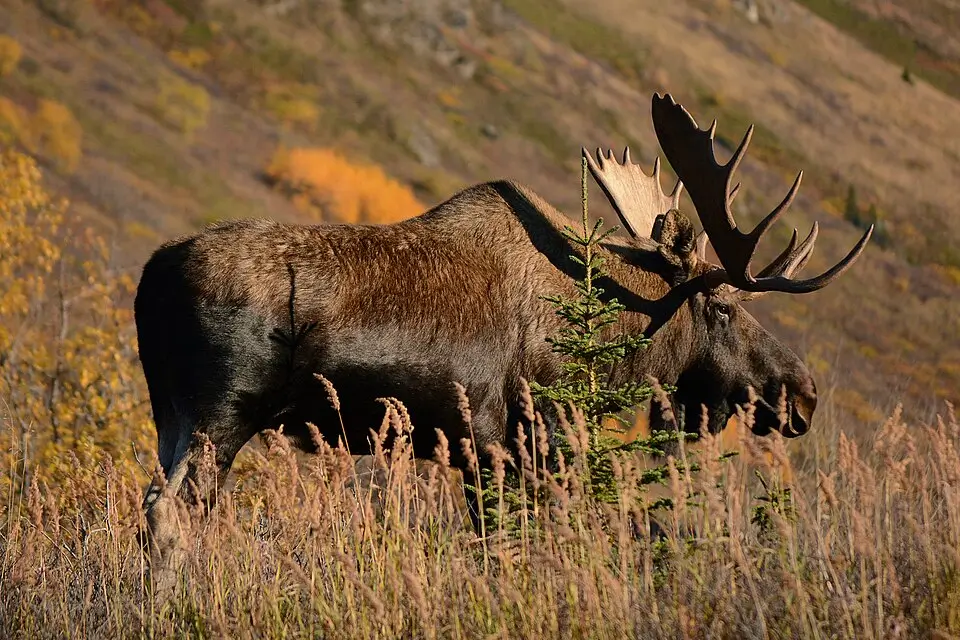
The moose (Alces alces) belongs to the family Cervidae, the same biological family that includes white-tailed deer, elk, and caribou. Within that family, moose stand in a class of their own. They are the largest living members of the deer family worldwide, and adult bulls are particularly imposing creatures. A mature bull moose can weigh anywhere from 800 to over 1,500 pounds, and cows, while somewhat smaller, are still formidable animals by any measure.
One of the most recognizable features of a moose is its broad, palmate antlers, which are found exclusively on males and shed each winter before regrowing in the spring. A large bull's antler spread can exceed five feet from tip to tip, making them among the most impressive headgear in the animal kingdom. The antlers serve multiple functions during the autumn rut, including displays of dominance and physical combat between rival bulls competing for breeding rights.
Beyond their antlers, moose are identified by several other distinctive physical characteristics. They possess an elongated, bulbous nose adapted for stripping aquatic vegetation and browsing in dense shrub cover. A distinctive flap of skin and fur called a "bell" or dewlap hangs beneath their throat, the function of which remains a subject of scientific interest. Their long, knobby legs — seemingly disproportionate to the rest of their body — are a superb adaptation for navigating deep snow, marshy terrain, and rugged forest floors. Those same legs allow moose to wade deep into ponds and lakes, where they frequently feed on submerged aquatic plants.
Moose are herbivores with a wide-ranging diet that shifts with the seasons. During the warmer months, they consume large quantities of aquatic vegetation, willow, birch, and aspen. In winter, when lush plant life is buried under snow, they rely heavily on woody browse — the twigs and bark of shrubs and young trees. Because of their great size, moose require enormous quantities of food each day to sustain their metabolism. An adult moose may consume more than 40 pounds of food daily during peak feeding periods.
The rut, or breeding season, typically occurs in the early autumn, generally from late September into October across most of the moose's range. During this time, bulls become intensely active, vocalizing with deep, resonant calls and engaging in sometimes dramatic sparring matches with other males. Cows produce a distinctive nasal wail that carries over long distances, drawing bulls from across the landscape. Following a gestation period of approximately 230 to 245 days, cows typically give birth to one or two calves in late spring or early summer. Calves grow rapidly and remain with their mothers through their first winter.
The lifespan of a wild moose typically ranges from 15 to 25 years, though many individuals do not reach that upper limit due to predation, hunting, disease, and other natural factors.
Habitat & Range
The moose has one of the broadest geographic distributions of any large mammal in the northern hemisphere. Its range extends across boreal and mixed forests from Alaska and Canada through the northern contiguous United States, and across Scandinavia, Russia, and parts of Central Asia. In North America, moose are most abundant in Alaska, Canada, and the northern tier of states including Maine, Minnesota, Michigan, Idaho, Montana, Wyoming, and of course, Vermont and neighboring New Hampshire.
Moose are fundamentally creatures of the north. They are highly sensitive to heat and thrive in cool to cold climates, which is why their distribution is so closely tied to boreal and montane forest zones. During periods of extreme summer heat, moose will actively seek out shade, cool water, or north-facing slopes to regulate their body temperature. Climate is therefore one of the most critical variables influencing moose population health and distribution at a landscape scale.
In Vermont, moose find a landscape that historically suits them well. The state's extensive forests — covering more than 75% of its total land area — provide abundant browse and cover. Wetland complexes, beaver ponds, and slow-moving rivers offer the aquatic foraging opportunities that moose depend on, especially in summer months. Vermont's northern counties, which share a border with Quebec, tend to support the highest moose densities in the state, though moose can be found throughout much of the forested landscape.
Hunting Information
Moose hunting represents one of the most coveted big game experiences in North America. The combination of the animal's enormous size, its wild and remote habitat, and the logistical challenges of a successful hunt make pursuing moose a bucket-list endeavor for countless hunters. In states like Vermont, moose hunting opportunities are carefully regulated to ensure that harvest levels remain sustainable relative to the size and health of the local population.
It is important for anyone interested in moose hunting in Vermont to consult directly with the Vermont Fish & Wildlife Department for the most current and accurate information regarding season dates, licensing requirements, permit structures, and applicable regulations. Moose hunting in many northeastern states — including Vermont — is typically managed through a controlled permit or lottery system, meaning that the number of hunters authorized to harvest a moose in any given year is intentionally limited. These systems are designed to distribute opportunity fairly while protecting the long-term viability of the herd.
Specific season dates, license fees, application deadlines, and tag allocation details were not available in the source data used for this article. Hunters are strongly encouraged to visit the Vermont Fish & Wildlife Department's official website or contact their offices directly to obtain up-to-date regulatory information before making any hunting plans.
What is universally understood about moose hunting, regardless of jurisdiction, is that it demands thorough preparation. Given the animal's size, a successful harvest requires significant logistical planning — including the capacity to process and transport hundreds of pounds of meat in often remote terrain. Many moose hunters work in teams and plan extensively for field dressing, quartering, and packing out their harvest. The meat of a moose, which can yield 400 to 700 pounds or more of edible protein, is widely considered some of the finest wild game available, with a rich, lean flavor that rewards the effort of a successful hunt.
For those who are not yet permit holders, many regions that support moose populations also offer exceptional wildlife viewing and photography opportunities during the rut and in the early morning and evening hours near wetlands and forest edges.
Conservation
The conservation story of the moose is one of both resilience and ongoing challenge. Across much of their North American range, moose populations have demonstrated the capacity to rebound from historically low numbers when given adequate habitat protection and thoughtful management. This recovery is a testament to the effectiveness of science-based wildlife management and the conservation ethic of hunters and wildlife advocates alike.
At the same time, moose face a range of contemporary pressures that wildlife biologists and managers are actively monitoring. Habitat change, including forest succession patterns and shifts in land use, can reduce the availability of the early-successional forest habitats that provide the best moose browse. Disease and parasites — most notably winter tick infestations, which can cause severe health impacts in individual animals and broader population-level effects — are significant concerns in some areas. Climate change is also recognized as a long-term factor influencing moose distribution and population dynamics, given the species' sensitivity to warmer temperatures.
In Vermont, as in other moose-range states, the Fish & Wildlife Department conducts regular population surveys and monitoring to track herd health and abundance. Hunting seasons and permit numbers are adjusted in response to this biological data, ensuring that harvest remains within sustainable limits. The collaborative relationship between state wildlife agencies, hunting communities, and conservation organizations plays a vital role in maintaining healthy moose populations for future generations.
For those who care about wild places and the wildlife that inhabit them, supporting state wildlife agencies, participating in ethical hunting practices, and advocating for the protection of northern forest habitats are among the most meaningful contributions an individual can make to moose conservation.