Overview
Few animals in North America have captured the public imagination quite like the groundhog. Known by many names — woodchuck, whistle-pig, land beaver, or simply chuck — the groundhog (Marmota monax) is one of the continent's most recognizable and widely distributed mammals. From its starring role in the beloved tradition of Groundhog Day each February to its reputation as a formidable garden raider, this stocky, industrious rodent occupies a unique place in American culture and ecology alike.
Yet beyond the folklore and the festivities, the groundhog is a genuinely fascinating animal with a remarkable suite of biological adaptations. It is a true hibernator, a skilled excavator, a surprisingly capable swimmer and climber, and an important ecological engineer whose burrow systems benefit countless other species. For hunters and wildlife enthusiasts across the northeastern United States, including the verdant hills and valleys of Vermont, the groundhog represents both a sporting quarry and a beloved piece of the natural landscape. Understanding this animal — its biology, its habits, and its place in the ecosystem — enriches every encounter with it, whether you're watching one from a porch railing or drawing a bead on one from a distant ridge.
Biological Traits
The groundhog belongs to the family Sciuridae — the same family that includes squirrels, chipmunks, and prairie dogs — and is the largest member of the marmot genus Marmota in eastern North America. Its scientific name, Marmota monax, reflects its solitary nature; monax is derived from a word in the Algonquian languages meaning "the digger," a tribute to the animal's most conspicuous talent.
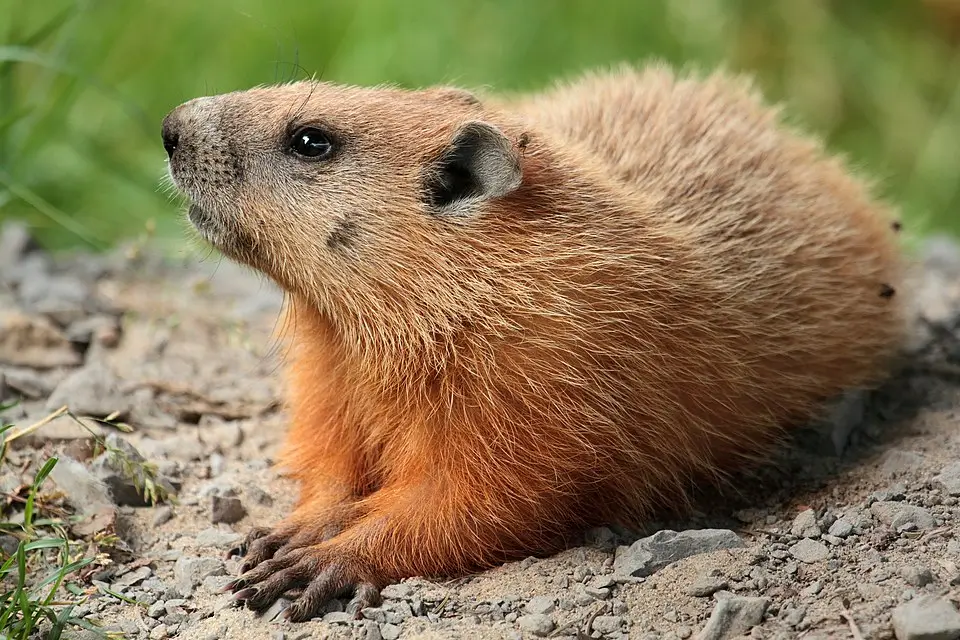
Groundhogs are powerfully built animals with a low, broad body, short but strong legs, and a medium-length, bushy tail. Adult animals typically weigh between 5 and 14 pounds, with body lengths ranging from roughly 16 to 27 inches including the tail. Their fur is coarse and dense, generally grizzled brown or grayish-brown on the upper body with a slightly paler underside. The face is broad and somewhat flattened, with small, rounded ears set high on the head and large, dark eyes positioned to give the animal a wide field of vision — a useful trait for a prey species that must remain vigilant against hawks, foxes, coyotes, and bobcats.
One of the groundhog's most extraordinary biological features is its capacity for true hibernation. Unlike many mammals that enter only a light torpor during winter, groundhogs undergo one of the most dramatic physiological transformations observed in any North American mammal. As autumn approaches, a groundhog will gorge itself on vegetation, nearly doubling its body weight in accumulated fat. When cold weather arrives — typically by late October or November in northern states like Vermont — the groundhog retreats to a specially constructed hibernation burrow, often located on a wooded slope or hillside away from its summer feeding area. Inside this burrow, the animal's body temperature drops dramatically, its heart rate slows to just a few beats per minute, and its breathing becomes almost imperceptibly slow. The groundhog remains in this suspended state until late winter or early spring, when warming temperatures and increasing day length trigger its gradual reawakening — a moment that inspired the tradition of Groundhog Day on February 2nd.
Groundhogs are also exceptional excavators. Their burrow systems are elaborate multi-chambered structures that can extend six feet or more below the surface and stretch 25 to 30 feet in length. A typical burrow will have a main entrance marked by a conspicuous mound of excavated soil, one or more hidden "plunge holes" that allow quick escape from predators, sleeping quarters lined with dry grass and leaves, and even a separate latrine chamber. These burrows are ecological assets of significant value, providing shelter and denning sites for foxes, rabbits, skunks, opossums, and a wide array of reptiles, amphibians, and invertebrates long after the groundhog has moved on.
In terms of diet, groundhogs are predominantly herbivorous, feeding on a wide variety of grasses, clovers, alfalfa, wild berries, agricultural crops, and garden vegetables. Occasionally they will consume insects, snails, or bird eggs, but plant matter makes up the overwhelming bulk of their diet. This dietary preference, combined with their tendency to establish burrows in open agricultural areas, brings them into regular contact — and sometimes conflict — with farmers and gardeners.
Groundhogs are generally solitary animals outside of the breeding season. Mating takes place in early spring, shortly after the animals emerge from hibernation. After a gestation period of approximately 31 to 32 days, females give birth to a litter typically consisting of two to six young. The young are born hairless and helpless but develop rapidly, and by midsummer the juveniles have dispersed to establish their own home ranges and burrow systems.
Habitat & Range
The groundhog's range covers a substantial portion of North America, extending from Alaska and central Canada in the north all the way south to Alabama and Georgia, and from the Atlantic coast west into the Great Plains. This remarkable geographic spread reflects the animal's adaptability; groundhogs thrive in a variety of habitat types as long as suitable food, open ground for burrowing, and some nearby cover are available.
Prime groundhog habitat typically consists of open or semi-open landscapes such as meadows, pastures, old fields, forest edges, roadsides, and the margins of agricultural fields. The animals favor areas where they have clear sightlines to detect approaching predators while remaining within a reasonable distance of wooded cover or escape burrows. Forest interiors are generally avoided, though groundhogs will readily use shrubby woodland edges and hedgerows.
Vermont provides an excellent example of ideal groundhog country. The Green Mountain State's characteristic agricultural landscape — a patchwork of hay fields, dairy farms, apple orchards, overgrown pastures, and forested hillsides — offers exactly the mix of open foraging habitat and adjacent cover that groundhogs require. From the Champlain Valley in the west, where rich lowland farms stretch toward Lake Champlain, to the gentler hill country of the Northeast Kingdom and the Connecticut River valley in the east, groundhogs are a familiar and widespread presence across the Vermont landscape. They are among the most commonly observed wild mammals in the state, often seen sitting upright in roadside meadows or sunning themselves near their burrow entrances on warm summer afternoons.
Hunting Information
The groundhog occupies an interesting position in the hunting world. In many states across its range, including much of the northeastern United States, groundhog hunting is a popular summertime pursuit that attracts both dedicated varmint hunters and precision rifle enthusiasts. Because groundhogs are often found in agricultural settings where they can cause significant damage to crops, hay fields, and pastures — and where their burrow entrances pose a genuine hazard to livestock and farm equipment — landowners frequently welcome hunters who help manage local populations.
Groundhog hunting is often considered an excellent way for hunters to hone their long-range shooting skills during the summer months when other big game seasons are closed. The sport demands careful field craft, patient glassing of open hillsides and meadows, and precise marksmanship, as groundhogs are alert animals with keen senses that quickly retreat underground at the first sign of danger. Rimfire rifles, centerfire varmint cartridges, and even air rifles are all commonly used, depending on the range and conditions.
In Vermont specifically, hunters interested in pursuing groundhogs should consult the Vermont Fish & Wildlife Department's current regulations, as official season dates and licensing requirements were not available at the time of publication. It is always essential to obtain current, up-to-date regulatory information directly from state wildlife authorities before taking to the field, and to secure explicit permission from landowners before hunting on private property — a courtesy that is both legally required and deeply valued in Vermont's close-knit agricultural communities.
Conservation
The groundhog is currently listed as a species of least concern by wildlife conservation authorities, reflecting its abundance and wide distribution across North America. Populations are considered stable throughout most of the animal's range, and the species has demonstrated a notable ability to adapt to human-altered landscapes. In many areas, land clearing and the expansion of agricultural and suburban environments have actually benefited groundhog populations by increasing the availability of open habitat and food resources.
The groundhog also plays meaningful ecological roles that contribute to the health and diversity of the ecosystems it inhabits. Its extensive burrowing activity aerates and turns the soil, improving drainage and nutrient cycling in ways that benefit plant communities. Its burrows, as previously noted, provide critical shelter for dozens of other wildlife species. And as a prey species, the groundhog forms an important link in food chains across eastern North America, supporting populations of hawks, eagles, foxes, coyotes, bobcats, and other predators.
For hunters, naturalists, and wildlife watchers alike, the groundhog represents a compelling and accessible connection to the natural world — a common animal whose uncommon adaptations reward careful observation and study.