Overview
When it comes to North American tree squirrels, few species command attention quite like the fox squirrel (Sciurus niger). Bold in size, striking in appearance, and remarkably adaptable in behavior, the fox squirrel is a beloved fixture of forests, woodlots, and open parklands across much of the United States. Whether you encounter one raiding a backyard bird feeder, watching you from a mossy oak branch with its bushy tail flicking in curiosity, or scrambling through a stand of timber as deer season opens, the fox squirrel leaves a lasting impression.
For hunters, wildlife enthusiasts, and naturalists alike, the fox squirrel represents one of the most rewarding small game pursuits available in North America. It requires patience, fieldcraft, and a genuine appreciation for the outdoors — qualities that connect squirrel hunting to the deepest traditions of American hunting heritage. Understanding this remarkable animal — its biology, its habits, its range, and its conservation status — is the first step toward appreciating just how special Sciurus niger truly is.
Biological Traits
The fox squirrel is the largest tree squirrel native to North America, and its size alone sets it apart from its close relatives. Adult fox squirrels are noticeably bigger than the more commonly seen eastern gray squirrel (Sciurus carolinensis), with body lengths typically ranging from about 17 to 27 inches from nose to tail tip, and weights commonly falling between one and two and a half pounds, though some individuals can exceed this range depending on food availability and geographic location.
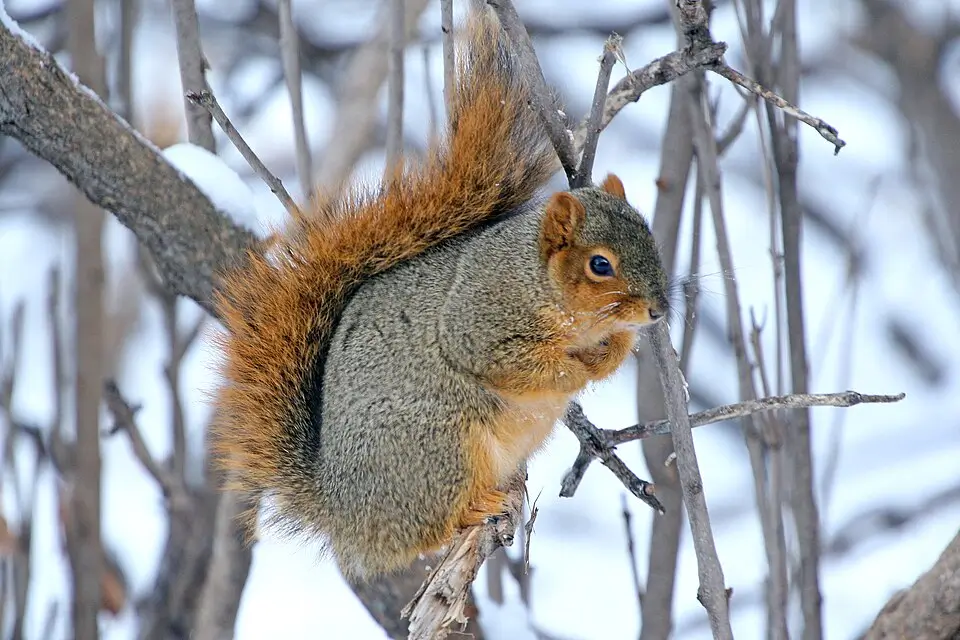
One of the most fascinating biological characteristics of the fox squirrel is the remarkable variation in its coat color. Unlike many mammals that display fairly predictable regional coloration, fox squirrels can vary enormously even within the same population. The most common color form features a tawny orange or rusty-brown coat with a pale or orange belly, giving the species a distinctly warm, fox-like appearance that inspired its common name. However, other individuals may appear grayish-brown on the back, nearly black, or even display a combination of black with white facial markings — the latter being particularly common in certain southeastern populations.
The fox squirrel's large, bushy tail serves multiple important biological functions. It acts as a counterbalance during high-speed travel through the treetops, functions as a blanket during cold weather when the animal is resting, and serves as a visual communication tool. When a fox squirrel flicks its tail in sharp, deliberate motions, it is typically communicating agitation or alerting nearby squirrels to a potential threat.
Fox squirrels are diurnal animals, meaning they are most active during daylight hours, with peak activity typically occurring in the morning and again in the late afternoon. This activity pattern makes them a rewarding target for hunters and wildlife watchers alike, as patient observation during these windows can yield consistent sightings. During the hottest parts of the day or during periods of extreme cold, fox squirrels tend to rest in their dens or leaf nests, called dreys, which are constructed high in the canopy from leaves, twigs, and bark.
Reproduction in fox squirrels follows a pattern common to many temperate-zone squirrel species. Breeding typically occurs twice per year, with one mating season in late winter or early spring and a second in midsummer. After a gestation period of approximately 44 to 45 days, females give birth to litters of two to four young, which are born hairless, blind, and completely dependent on their mother. The young grow rapidly, are weaned at around 12 weeks of age, and disperse to establish their own home ranges by late summer or fall.
Like other members of the genus Sciurus, fox squirrels are scatter-hoarders. This means they bury food items — primarily hard mast like acorns, hickory nuts, walnuts, and pecans — individually at scattered locations across their home range rather than storing food in a central cache. This strategy reduces the risk of losing an entire food supply to theft by competitors. Remarkably, fox squirrels rely on both spatial memory and olfactory cues to relocate buried food during winter months. The nuts they fail to recover often germinate, making fox squirrels unintentional but highly effective agents of forest regeneration.
The fox squirrel's lifespan in the wild typically ranges from 8 to 12 years, though mortality from predation, disease, and hunting pressure means the average wild fox squirrel lives considerably fewer years than this maximum. Natural predators include red-tailed hawks, great horned owls, red foxes, coyotes, bobcats, and various snake species that target juveniles.
Habitat & Range
The fox squirrel's scientific name, Sciurus niger, translates roughly to "black squirrel" — a reference to some of the darker color morphs found in the species — but the animal's habitat preferences are anything but shadowy or obscure. Fox squirrels thrive in open, park-like forest settings with a mix of mature hardwood trees and open ground beneath the canopy. They are particularly associated with oak-hickory woodlands, pine-oak savannas, and open agricultural landscapes with scattered woodlots, fence rows, and hedgerows.
Unlike the eastern gray squirrel, which tends to favor dense, closed-canopy forests, the fox squirrel is drawn to edges and open areas. This preference for fragmented and semi-open habitats has allowed the species to adapt well to human-altered landscapes in many regions, thriving in suburban parks, golf courses, agricultural areas with mature trees, and along river corridors.
The fox squirrel's native range encompasses much of the central and eastern United States, extending from the Great Plains east to the Atlantic seaboard in certain regions, and from the Gulf Coast north into the upper Midwest and lower Great Lakes states. The species' range includes states such as Kansas, Nebraska, Iowa, Missouri, Indiana, Ohio, Michigan, Illinois, and many southeastern and mid-Atlantic states. Populations also exist in parts of the Rocky Mountain foothills due to historical introductions.
It is important for Vermont residents and hunters to understand that the fox squirrel is not a native species in Vermont. The state's forests, dominated by northern hardwoods, mixed conifers, and boreal species, do not naturally support fox squirrel populations, and the species is not established in New England. Vermont's squirrel population is primarily composed of the eastern gray squirrel and the red squirrel (Tamiasciurus hudsonicus), both of which are well-adapted to the state's cooler, denser woodland habitats.
Hunting Information
Fox squirrel hunting is a cherished tradition in many parts of the United States, particularly across the Midwest and South where the species is most abundant. Squirrel hunting is widely regarded as an excellent entry point into hunting for beginners and a deeply satisfying pursuit for experienced hunters who appreciate the technical demands of still-hunting in the woods.
Successful fox squirrel hunting typically involves early morning entry into oak-hickory woodlands, quiet movement along ridge tops or creek bottoms, and careful observation of the canopy for movement, feeding sounds, and the telltale flicking of a bushy tail. Fox squirrels' preference for open woodland settings means hunters can often spot them at range, making a scoped .22 rimfire rifle or a 20-gauge shotgun excellent choices for harvesting this species cleanly and ethically.
Vermont-specific note: As fox squirrels are not a native or established species in Vermont, there is no specific fox squirrel hunting season in the state. Hunters in Vermont interested in squirrel hunting will find the eastern gray squirrel and the red squirrel as the primary available species. Residents and visitors are strongly encouraged to consult the Vermont Fish & Wildlife Department directly for the most current small game regulations, season dates, and licensing requirements before heading afield.
For those interested in fox squirrel hunting, the Midwest states of Kansas, Missouri, Illinois, Indiana, Ohio, and Iowa offer some of the finest fox squirrel hunting in the country, with generally accessible public land opportunities and reasonable licensing requirements for resident and non-resident hunters.
Conservation
The fox squirrel's conservation status varies considerably across its range, reflecting the complex interplay between habitat availability, land use change, and human management. Across much of its core range in the Midwest and South, the fox squirrel remains a common and abundant species, well-adapted to the agricultural and suburban landscapes that define much of its territory.
However, certain subspecies of the fox squirrel face more significant conservation challenges. The Delmarva fox squirrel (Sciurus niger cinereus), native to the Delmarva Peninsula of Maryland, Delaware, and Virginia, was listed as an endangered species for several decades before a successful collaborative conservation effort involving habitat restoration, land protection, and translocation programs allowed the subspecies to be delisted in 2015 — a genuine success story for targeted wildlife management.
Throughout its range, the fox squirrel benefits from forest management practices that maintain open woodland structure, including prescribed burning, timber harvesting, and the preservation of mast-producing trees. Wildlife managers and private landowners who invest in managing their woodlands for mature oaks, hickories, and walnuts are also investing in the long-term vitality of fox squirrel populations.
Hunting, when properly regulated, has been consistently shown to have no negative impact on healthy fox squirrel populations. Regulated harvest is managed by state wildlife agencies using population data, and seasons and bag limits are set to ensure sustainable yield. Squirrel hunters, in fact, contribute directly to conservation funding through the Federal Aid in Wildlife Restoration Act (commonly known as the Pittman-Robertson Act), which directs an excise tax on firearms and ammunition to state wildlife agencies for habitat and population management programs.
The fox squirrel's future, across most of its range, appears bright — a reflection of both the species' natural adaptability and the effectiveness of North America's conservation model.