Overview
Few animals are as instantly recognizable across the forests, parks, and neighborhoods of North America as the Eastern gray squirrel (Sciurus carolinensis). With its bushy tail, quick movements, and seemingly boundless energy, this industrious rodent has become a fixture of the natural landscape from the deep hardwood forests of the South to the rolling hills and maple-covered terrain of New England. In Vermont — a state celebrated for its pristine wilderness, vibrant foliage seasons, and deep-rooted outdoor traditions — the Eastern gray squirrel holds a special place both ecologically and as a quarry for small game hunters.
Vermont, nestled in the heart of the New England region and bordered by Massachusetts, New Hampshire, New York, and the Canadian province of Quebec, provides an ideal setting for the Eastern gray squirrel to thrive. The state's rich mix of deciduous and mixed forests, combined with a relatively low human population density — Vermont ranks as the second-least populated state in the country, with an estimated 648,493 residents — means that vast stretches of undisturbed habitat remain available for wildlife of all kinds. For hunters and wildlife enthusiasts alike, understanding the biology, behavior, and ecology of Sciurus carolinensis enriches every moment spent outdoors in pursuit of or simply in the presence of this remarkable animal.
Biological Traits
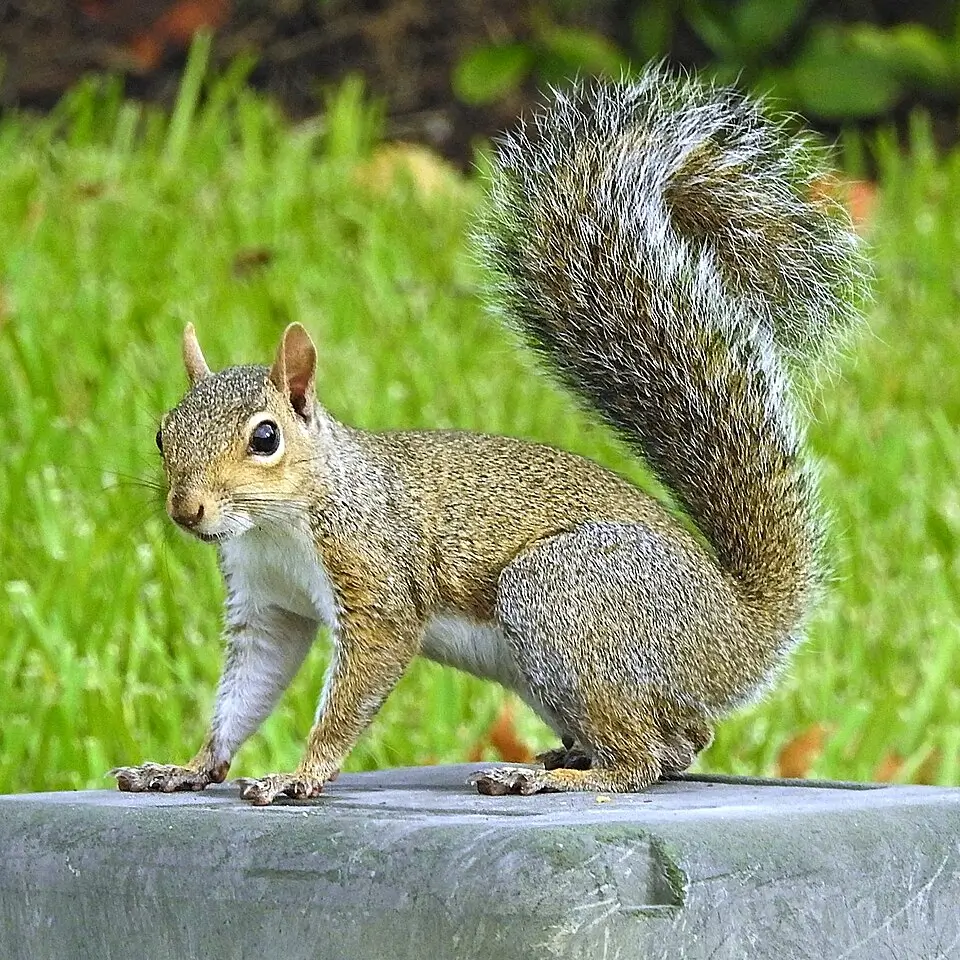
The Eastern gray squirrel belongs to the family Sciuridae, which encompasses a wide variety of squirrels, chipmunks, marmots, and prairie dogs. As its common name suggests, the Eastern gray squirrel is predominantly gray in coloration, typically featuring a white or pale underside and the characteristic full, flowing tail that serves multiple purposes — from helping the animal balance as it leaps between branches to acting as a visual communication tool between individuals.
Adults are medium-sized rodents, well-proportioned and agile, built for life in the tree canopy as well as the forest floor. Their sharp, curved claws allow them to grip bark with impressive precision, enabling them to descend trees headfirst — a feat that sets them apart from many other climbing animals. Their large, dark eyes are positioned on the sides of their heads, granting a wide field of vision that helps detect predators approaching from nearly any direction.
One of the most fascinating aspects of the Eastern gray squirrel's biology is its relationship with food and memory. These animals are "scatter hoarders," meaning they bury individual caches of nuts, seeds, and other food items across their territory rather than storing everything in one location. They rely on a combination of spatial memory and their acute sense of smell to relocate these buried treasures during the leaner months of winter. Remarkably, research has shown that gray squirrels are capable of remembering thousands of cache locations. However, not every buried nut is recovered — and those forgotten caches contribute significantly to forest regeneration, particularly for oak, hickory, and other mast-producing tree species. In this way, the Eastern gray squirrel functions as an important and largely unsung agent of reforestation.
Gray squirrels are diurnal animals, meaning they are most active during daylight hours, particularly in the early morning and late afternoon. Their activity patterns shift with the seasons — becoming especially intense in autumn as the animals focus on building fat reserves and food caches in preparation for winter. Unlike true hibernators such as groundhogs, Eastern gray squirrels remain active throughout the winter, relying on their stored food and increased body fat to survive the coldest months.
Breeding typically occurs twice per year, with peak seasons in late winter and midsummer. Litters generally consist of two to four young, known as kittens or pups, which are born blind and hairless. The mother raises the young alone in a leaf nest (called a drey) or a tree cavity, and the juveniles are typically weaned and independent within a few months. This relatively high reproductive rate, combined with adaptability to a range of environments, has allowed the Eastern gray squirrel to maintain healthy and abundant populations across its native range.
Communication among Eastern gray squirrels involves a variety of vocalizations, including chattering, barking, and a distinctive "kuk" alarm call used to warn conspecifics of predators. Tail flicking is another important form of communication, used both as an alarm signal and as a social cue during interactions with other squirrels.
Habitat & Range
The Eastern gray squirrel's native range spans a broad swath of eastern North America, from southern Canada through the eastern United States and into parts of the Midwest. The species is strongly associated with mature deciduous and mixed forests, where the availability of mast crops — particularly acorns, beechnuts, and hickory nuts — provides the nutritional foundation for their survival.
Vermont's forested landscape, which covers the vast majority of the state's land area, is well-suited to supporting robust Eastern gray squirrel populations. The state's hardwood forests — including significant stands of sugar maple, American beech, yellow birch, and oak — provide exactly the kind of mast-producing habitat that gray squirrels favor. The Green Mountains, which run north to south through the center of Vermont, along with the Champlain Valley to the west and the Connecticut River Valley to the east, offer diverse forest types that support high squirrel densities.
Beyond their stronghold in mature forests, Eastern gray squirrels have demonstrated impressive adaptability, colonizing suburban parks, college campuses, and urban green spaces wherever sufficient tree cover and food resources exist. This flexibility has made them one of the most commonly observed wild mammals across much of their range. In Vermont's small cities and towns — including the state capital, Montpelier, which holds the distinction of being the least populous state capital in the United States — gray squirrels are a familiar and welcome presence in neighborhood trees and backyard feeders.
The species has also been introduced beyond its native range, with established populations now found in parts of western North America, Great Britain, Ireland, and several other regions. In some of these introduced areas, the Eastern gray squirrel has had notable ecological impacts on native wildlife, though within its native North American range it remains a well-integrated and ecologically important species.
Hunting Information
The Eastern gray squirrel is one of the most popular small game animals in North America, with a tradition of squirrel hunting that stretches back to the earliest days of colonial settlement. For many hunters, pursuing gray squirrels through crisp autumn hardwood forests represents the quintessential small game experience — one that demands patience, woodsmanship, and a keen eye.
In Vermont, squirrel hunting is a time-honored tradition that takes place across the state's extensive forested land. Hunters typically seek out areas with abundant mast-producing trees, as these locations attract the highest concentrations of squirrels, especially in early fall when the animals are actively feeding and caching food. Early morning and late afternoon are the most productive times to hunt, coinciding with the squirrel's peak activity periods.
Common methods for hunting Eastern gray squirrels include still hunting — slowly and quietly moving through likely habitat and pausing frequently to watch and listen — as well as sitting quietly near known feeding trees and waiting for squirrels to reveal themselves. The .22 caliber rimfire rifle is a perennial favorite firearm for squirrel hunters, prized for its accuracy and minimal meat damage. Shotguns, particularly in 20-gauge or .410 bore, are also widely used, especially in dense cover where shots may be quick and close. Some hunters enjoy the added challenge of pursuing squirrels with small-caliber air rifles or even traditional archery equipment.
Squirrel hunting is often recommended as an excellent entry point for new hunters, particularly young people, due to the relatively low costs involved, the abundance of the quarry, and the extensive public land access available in states like Vermont. The skills developed while hunting squirrels — reading the woods, moving quietly, and understanding animal behavior — translate directly to success in pursuing larger game species.
As for specific Vermont regulations regarding squirrel hunting seasons, licensing requirements, and bag limits, hunters should always consult the Vermont Fish & Wildlife Department directly for the most current and accurate information, as regulations may be updated from season to season. No specific regulatory details were available in the source data consulted for this article.
On the table, Eastern gray squirrels are a genuinely rewarding wild game meat. Their meat is lean, flavorful, and well-suited to a variety of traditional preparations including braised squirrel, Brunswick stew, and simple pan-fried preparations. Making use of harvested squirrels in the kitchen is a satisfying way to complete the hunting experience and honor the animal.
Conservation
The Eastern gray squirrel is currently classified as a species of least concern by major wildlife conservation organizations, a reflection of its wide distribution, high reproductive rate, and successful adaptation to a variety of environments. Across Vermont and the broader eastern United States, populations remain healthy and abundant in areas with suitable forest habitat.
Maintaining the health of forest ecosystems is the single most important conservation priority for this species. Sustainable forestry practices that preserve mature mast-producing trees, protect den trees and nesting cavities, and maintain forest connectivity are all beneficial not only to gray squirrels but to the broader community of forest wildlife. Vermont's strong tradition of conservation stewardship — reflected in the work of the Vermont Fish & Wildlife Department, land trusts, and private landowners — helps ensure that the state's forests continue to support abundant wildlife populations.
Regulated hunting, as managed by state wildlife agencies, plays a positive role in the conservation equation for Eastern gray squirrels. Hunting provides an important source of funding for wildlife management programs through license fees and excise taxes on sporting equipment, and it helps maintain a population of engaged, knowledgeable citizens who have a direct stake in the health of Vermont's wild places.
Backyard habitat practices can also make a meaningful difference for squirrels and other urban and suburban wildlife. Retaining mature trees, providing nest boxes, and minimizing the use of pesticides that can reduce insect populations — an important supplemental food source for squirrels — are all ways that Vermont residents can support local wildlife.
The Eastern gray squirrel, in short, is far more than a familiar garden visitor or an entertaining acrobat in the treetops. It is an ecologically significant species, a cherished small game animal, and a living thread in the rich tapestry of Vermont's natural heritage.