Overview
Few animals embody the spirit of the wild North American landscape quite like the bobcat. Elusive, powerful, and hauntingly beautiful, the bobcat (Lynx rufus) is the continent's most widely distributed wild cat, ranging from the sun-baked deserts of the American Southwest to the dense hardwood forests of New England. In states like Vermont — a landlocked jewel of the Northeast, blanketed in rolling green mountains and ancient forests — the bobcat moves like a ghost through the landscape, leaving behind only the occasional track in fresh snow or a fleeting glimpse at dusk. Despite being so widespread, the bobcat remains one of the most mysterious and least-observed predators in the wild, a testament to its extraordinary adaptability and its deeply ingrained instinct for secrecy.
This article explores the biology, behavior, habitat, and hunting traditions surrounding the bobcat, with a particular focus on what hunters, naturalists, and outdoor enthusiasts in Vermont and the broader northeastern United States should know about this remarkable feline.
Biological Traits
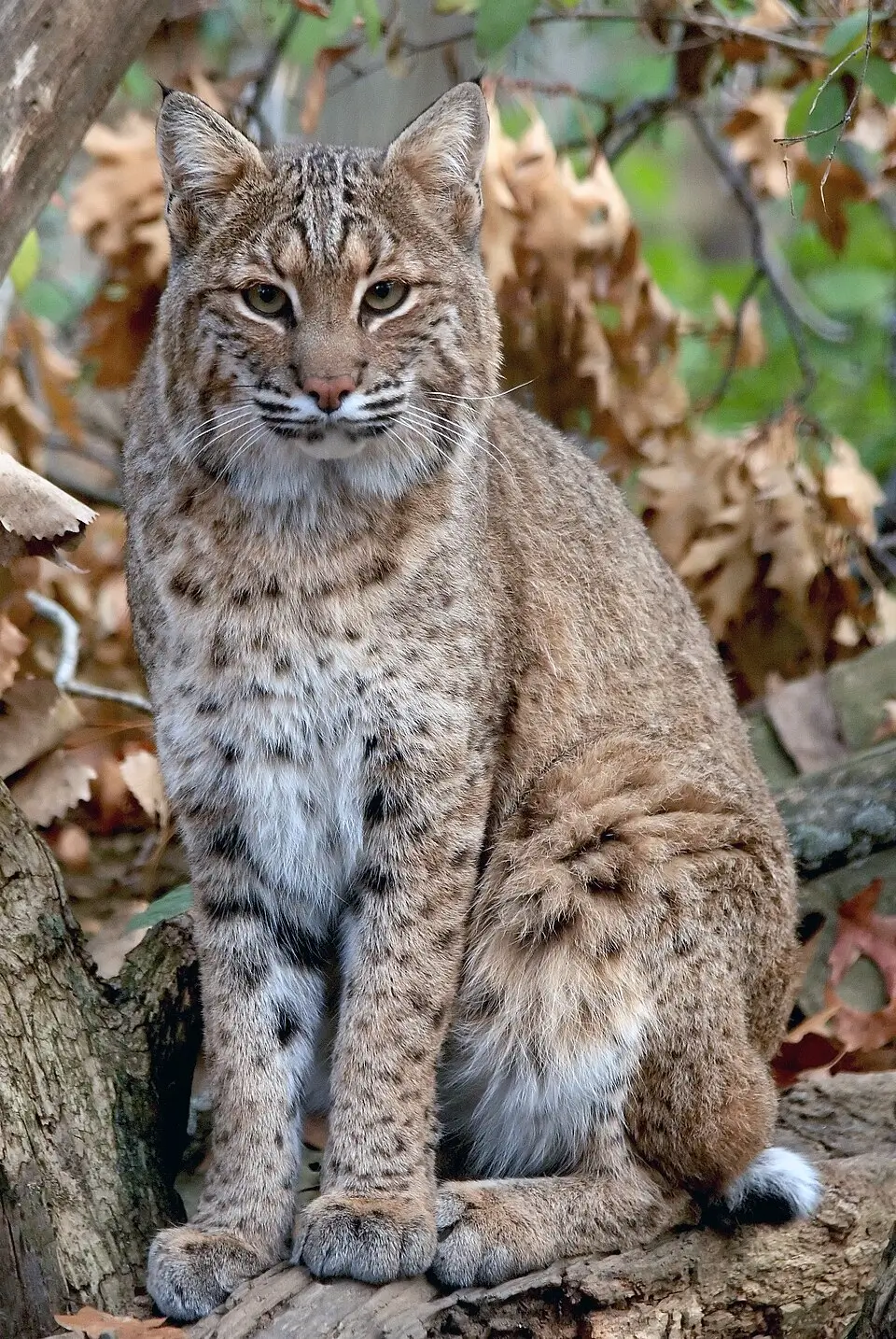
The bobcat (Lynx rufus) belongs to the family Felidae and the genus Lynx, making it a close relative of the Canada lynx (Lynx canadensis), the Eurasian lynx (Lynx lynx), and the Iberian lynx (Lynx pardinus). Its scientific name — rufus, meaning "red" in Latin — is a nod to its distinctive reddish-brown coat, which is typically marked with dark brown or black spots and streaks. This patterning provides exceptional camouflage in a wide variety of environments, from leafy forest floors to rocky outcroppings.
The bobcat is named for its short, "bobbed" tail, which typically measures between four and seven inches in length and is tipped with black on the upper surface and white underneath. This distinguishing feature, along with tufted ears and prominent facial ruffs, gives the bobcat a striking and immediately recognizable appearance. Adults generally weigh between 11 and 30 pounds, though larger individuals — particularly males in northern regions — can occasionally exceed this range. Males are typically larger than females, a characteristic common across the Lynx genus.
Like all felids, the bobcat is an obligate carnivore, meaning its diet consists almost entirely of meat. It is an opportunistic hunter and a highly capable predator, taking prey ranging from small rodents and rabbits to white-tailed deer, particularly during winter months when deer may be weakened by cold and deep snow. The eastern cottontail and snowshoe hare are among the most important prey species across much of the bobcat's range, and bobcat population dynamics are sometimes loosely linked to fluctuations in rabbit and hare populations. Birds, squirrels, foxes, and even small domestic animals may also fall prey to a bobcat when the opportunity arises.
Bobcats are crepuscular hunters by nature, meaning they are most active during the twilight hours of dawn and dusk, though they may hunt at any time of day or night depending on prey availability and season. They are solitary animals, with males and females coming together only briefly during the mating season. Females typically give birth to litters of one to six kittens, with two to four being most common, after a gestation period of approximately 60 to 70 days. Kittens remain with their mothers for several months, learning the hunting and survival skills they will need as adults.
One of the bobcat's most remarkable traits is its vocal range. During mating season in late winter and early spring, bobcats produce a startling array of sounds — hisses, growls, yowls, and piercing screams — that can unsettle even seasoned outdoorspeople who encounter them unexpectedly in the dark. These vocalizations play a key role in establishing territory and attracting mates.
Bobcats are highly territorial animals. Males maintain larger home ranges than females, and these ranges may overlap with those of several females. Territory is marked through scent posts, scratch marks on trees, and scat deposits. In a region like Vermont, where human development increasingly fragments natural habitats, understanding bobcat territoriality is important for conservation planning and wildlife management.
Habitat & Range
The bobcat's success as a species is closely tied to its extraordinary adaptability. It is found across a vast swath of North America, from southern Canada through the contiguous United States and into central Mexico. It thrives in an impressive diversity of habitat types: dense boreal forests, mixed hardwood and softwood stands, swampy bottomlands, semi-arid scrublands, mountainous terrain, and even suburban edges where wild land meets human development.
In Vermont, the bobcat finds ideal conditions across much of the state's varied landscape. Vermont's forests — dominated by sugar maple, yellow birch, beech, white ash, and conifer stands of spruce and fir — provide excellent cover and hunting ground. The state's rocky hillsides, brushy clearcuts, beaver wetlands, and riparian corridors all serve as prime bobcat habitat. The presence of healthy populations of white-tailed deer, snowshoe hare, and small mammals makes Vermont's forested interior particularly attractive to resident bobcats.
Vermont's rural character works in the bobcat's favor. As the second-least populated state in the nation — with an estimated population of just 648,493 residents — Vermont has retained vast stretches of relatively undisturbed habitat. Large contiguous forest blocks in the Green Mountains and the Northeast Kingdom region provide the core habitat that bobcats need to maintain viable home ranges without excessive human interference. The state capital of Montpelier, the least populous state capital in the United States, sits at the heart of this landscape, surrounded by the kind of wild country that bobcats have always called home.
Bobcats prefer areas with abundant prey, adequate cover for stalking and denning, and terrain features such as ledges, rock outcroppings, and fallen timber that provide shelter and den sites. They are highly adaptable to seasonal changes and may shift their home ranges in response to prey availability, snow depth, and temperature fluctuations.
Hunting Information
The bobcat is a prized quarry among hunters and trappers across North America, valued both for its challenging pursuit and for the beauty of its fur. Pursuing a bobcat is widely considered one of the most demanding and rewarding experiences in North American hunting, largely because of the animal's secretive nature, keen senses, and relatively low population densities compared to more common game species.
Hound hunting is the most traditional and widely practiced method for pursuing bobcats. Hunters work with trained packs of hounds — often Walker, Plott, or Bluetick hounds — that are capable of picking up and following a bobcat's cold trail through dense forest, eventually treeing or baying the cat for the hunter. This method requires significant skill, patience, and a deep understanding of both the hounds and the quarry. Calling is another effective technique, using electronic or mouth calls that mimic the sounds of distressed rabbits or other small prey to lure bobcats within range. Trapping, particularly with foothold traps and cage traps, is also a traditional and effective method used by licensed trappers.
For hunters and trappers in Vermont, it is strongly recommended to consult the Vermont Fish & Wildlife Department directly for the most current season dates, licensing requirements, bag limits, and any applicable regulations before pursuing bobcat. Regulations governing bobcat hunting and trapping can vary significantly from year to year and may include specific zone restrictions, reporting requirements, and gear specifications. As no specific current regulatory information was available at the time of this writing, prospective hunters should always verify the latest rules through official state sources to ensure full compliance.
Scouting is a critical component of any bobcat hunting strategy. Look for fresh tracks in mud or snow, scent posts, scratch marks on trees, prey remains, and well-worn travel corridors along ridgelines, creek bottoms, and forest edges. Trail cameras placed at pinch points and known travel routes can be invaluable tools for pattern bobcat movement and identifying productive hunting areas.
Conservation
The bobcat is currently classified as a species of least concern by the International Union for Conservation of Nature (IUCN), reflecting the species' broad distribution and relatively stable populations across much of its range. However, this positive status should not be taken as grounds for complacency. Habitat loss, fragmentation, vehicle collisions, and illegal poaching remain ongoing threats in certain parts of its range.
In Vermont and across the northeastern United States, sustainable wildlife management practices — including regulated hunting and trapping seasons, habitat conservation programs, and ongoing population monitoring — play a vital role in maintaining healthy bobcat populations. Responsible hunters and trappers serve as important partners in these conservation efforts, contributing through license fees and excise taxes that fund state wildlife management programs.
The bobcat's presence in Vermont's forests is a sign of ecological health. As a mid-level apex predator, the bobcat plays an important role in regulating prey populations and maintaining the balance of forest ecosystems. Protecting and preserving the wild lands that support bobcat populations is not only good for the species itself — it is good for the entire web of life that shares these remarkable landscapes.