Overview
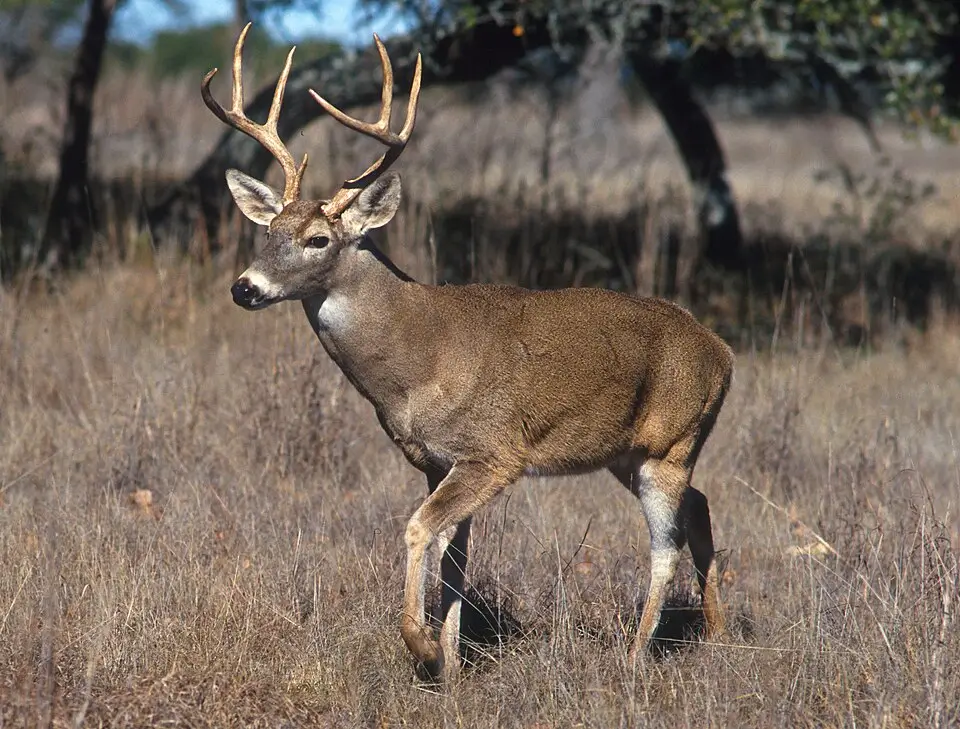
Few animals capture the imagination of hunters, wildlife photographers, and outdoor enthusiasts quite like the white-tailed deer (Odocoileus virginianus). Graceful, adaptive, and deeply woven into the cultural fabric of American outdoor tradition, the white-tailed deer stands as perhaps the most iconic game animal on the continent. From the dense hardwood forests of the Northeast to the sprawling ranchlands of Texas, this remarkable species has not only survived alongside a rapidly changing landscape but has, in many regions, genuinely thrived. Understanding the biology, behavior, and conservation of white-tailed deer helps hunters and wildlife enthusiasts alike develop a deeper respect for this extraordinary animal — one that continues to inspire millions of people to step outside and connect with the natural world.
In Texas, the white-tailed deer holds a place of particular reverence. The Lone Star State is home to one of the largest white-tailed deer populations in the entire country, and deer hunting is a time-honored tradition that spans generations of Texas families. Whether you are a seasoned hunter scouting a South Texas sendero or a first-time wildlife watcher hoping to catch a glimpse of a buck in velvet, the white-tailed deer offers something for everyone.
Biological Traits
The white-tailed deer belongs to the family Cervidae, the same family that includes elk, moose, caribou, and mule deer. Its scientific name, Odocoileus virginianus, reflects its early documentation in the Virginia colonies, where European settlers first took detailed note of this species. Today, scientists recognize numerous subspecies of white-tailed deer distributed across an enormous geographic range, each adapted to its specific regional environment.
One of the most immediately recognizable features of the white-tailed deer is its namesake tail — a broad, flag-like appendage that, when raised in alarm, flashes a bright white underside visible at considerable distance. This "flagging" behavior serves as a warning signal to other deer in the area, alerting them to potential danger. The deer's coat itself changes seasonally: a reddish-brown in summer gives way to a thicker, grayer coat in winter, providing both insulation and camouflage against the cooler, more muted landscapes of the colder months.
Bucks — male white-tailed deer — are well known for their impressive antlers, which are grown and shed on an annual cycle. Antler development begins in spring under the influence of increasing daylight and rising testosterone levels. During this growth phase, antlers are covered in a soft, nutrient-rich tissue known as velvet, which supplies blood and oxygen to the rapidly growing bone. By late summer or early fall, testosterone levels peak, blood supply to the velvet is cut off, and bucks shed the velvet to reveal hardened, polished antlers ready for the rut. After the breeding season concludes, antlers are shed once again, and the cycle begins anew. Antler size is influenced by a combination of genetics, age, and nutrition — factors that wildlife managers and hunters alike consider carefully.
Does — female white-tailed deer — are typically smaller than bucks and do not grow antlers under normal circumstances. They are highly attentive mothers, giving birth to one to three fawns each spring. Newborn fawns are famously spotted, a camouflage adaptation that helps them blend into dappled forest floors while they wait motionless for their mothers to return from feeding. Within weeks, the spots begin to fade, and fawns grow rapidly, becoming increasingly independent as summer progresses.
White-tailed deer are crepuscular by nature, meaning they are most active during the low-light hours around dawn and dusk. This behavior helps them avoid many predators while taking advantage of optimal foraging conditions. They are herbivores with a broad and flexible diet that includes grasses, forbs, agricultural crops, browse (the leaves and twigs of woody plants), mast (acorns and other nuts), and fruit. This dietary flexibility is one key reason the species has been so successful across such a diverse range of habitats.
The rut — the white-tailed deer's breeding season — is one of the most anticipated events in the hunting calendar. Triggered primarily by decreasing photoperiod (shorter days), the rut typically peaks in November across much of the whitetail's range, though timing varies by latitude and region. During the rut, bucks become far less cautious than usual, actively seeking out does and sometimes covering many miles in a single day. Bucks will rub their antlers against trees and shrubs to mark territory and strengthen neck muscles, and they will scrape the ground with their hooves to leave scent signals for receptive does.
Habitat & Range
The white-tailed deer is one of the most widely distributed large mammals in the Western Hemisphere. Its range extends from southern Canada through most of the contiguous United States, continuing south through Central America and into portions of South America. This remarkable range speaks to the species' incredible adaptability.
White-tailed deer occupy a wide variety of habitats, including temperate forests, river bottomlands, brushy thickets, agricultural edges, and even suburban and semi-urban environments. They tend to favor edge habitats — transitional zones between forest and open areas — where they can feed in open spaces while retreating quickly to cover when threatened. Thick brush, cedar breaks, river corridors, and rolling hills all provide excellent white-tailed deer habitat.
In Texas — a state covering more than 268,596 square miles — the white-tailed deer occupies an enormous variety of ecosystems. From the dense post oak woodlands of East Texas to the thorny brush country of the South Texas Plains, from the Edwards Plateau's juniper-oak savannas to the river bottoms of the Hill Country, white-tailed deer have proven highly adaptable to the diverse landscapes Texas offers. Texas's geography, which borders Louisiana to the east, Oklahoma to the north, New Mexico to the west, and Mexico to the south, creates a mosaic of habitats that support an exceptionally robust deer population. The state's vast ranchlands, many managed specifically for wildlife, play a significant role in maintaining healthy herds.
Hunting Information
White-tailed deer hunting is among the most popular and culturally significant outdoor pursuits in North America, and nowhere is this truer than in Texas. The Texas Parks and Wildlife Department (TPWD) oversees all hunting regulations in the state, including those pertaining to white-tailed deer.
According to TPWD, harvest reporting requirements apply to certain categories of deer hunting in Texas. Specifically, harvest reporting is mandatory for antlerless white-tailed deer taken in select south-central counties. Hunters should always consult the most current TPWD resources for up-to-date season dates, licensing requirements, and reporting obligations, as regulations can change from year to year. The TPWD website provides official 2026–2027 hunting season dates and full details on reporting procedures, including both online reporting and mobile app reporting options, making compliance straightforward and accessible.
Texas is renowned for its exceptional deer hunting, with private ranches, public hunting programs, and managed land leases all offering opportunities. The South Texas region in particular is celebrated worldwide for producing trophy-caliber bucks, and hunters travel from across the country to pursue whitetails in the state's legendary brush country.
Ethical hunting practices — including proper shot placement, respect for property boundaries, and compliance with all licensing and reporting requirements — are cornerstones of responsible deer hunting. Texas game wardens work diligently to enforce regulations and protect wildlife resources, ensuring that deer populations remain healthy and hunting opportunities persist for future generations. The TPWD also encourages hunters to engage with harvest reporting tools, as the data collected plays a vital role in wildlife management decisions.
Conservation
The story of the white-tailed deer in the 20th and 21st centuries is, in many respects, a conservation success story. In the late 1800s and early 1900s, unregulated market hunting and widespread habitat loss caused white-tailed deer populations to collapse across much of their range. Aggressive conservation efforts — including the establishment of regulated hunting seasons, bag limits, license requirements, and habitat restoration programs — allowed populations to recover dramatically over subsequent decades.
Today, white-tailed deer are abundant across much of their range, and regulated hunting continues to serve as a primary wildlife management tool. Hunter-generated license fees and excise taxes on sporting equipment, collected through programs like the Federal Aid in Wildlife Restoration Act (commonly known as the Pittman-Robertson Act), have funded billions of dollars in conservation work across the United States. This funding has benefited not only deer but countless other wildlife species and their habitats.
Wildlife managers monitor deer populations carefully through harvest data, population surveys, and habitat assessments. In Texas, TPWD biologists work year-round to assess herd health and set sustainable harvest levels. Mandatory harvest reporting — such as that required for antlerless white-tailed deer in select south-central Texas counties — provides managers with critical data to make informed decisions.
Chronic Wasting Disease (CWD), a transmissible neurological disease affecting members of the deer family, represents one of the more significant ongoing wildlife health challenges facing white-tailed deer populations. Wildlife agencies across North America, including TPWD, actively monitor for CWD and have implemented regulations designed to slow its spread and protect deer herds.
Habitat conservation, including the protection and restoration of forests, grasslands, and riparian corridors, remains essential to the long-term health of white-tailed deer populations. Landowners, conservation organizations, and government agencies all play important roles in preserving the landscapes that whitetails — and so many other species — depend upon.