Overview
Few animals in North America capture the imagination quite like the snowshoe hare. Known scientifically as Lepus americanus, this medium-sized member of the family Leporidae is one of the continent's most ecologically significant mammals. Famous for its dramatic seasonal coat change — shifting from a rich brown in summer to a brilliant white in winter — the snowshoe hare is a master of adaptation, survival, and ecological balance. Its presence in northern forests shapes entire predator-prey food webs, and its population cycles are among the most well-documented in all of wildlife biology.
For hunters, naturalists, and wildlife enthusiasts alike, the snowshoe hare represents a fascinating subject of study and pursuit. Whether you're tracking them through freshly fallen snow in Canada or learning about their role in broader North American ecosystems, there is no shortage of reasons to appreciate this remarkable animal. This article dives deep into the biology, habitat, hunting traditions, and conservation status of Lepus americanus, providing a comprehensive look at one of North America's most iconic small game species.
Biological Traits
The snowshoe hare gets its evocative common name from one of its most distinctive physical features: its extraordinarily large hind feet. These oversized, well-furred paws act like natural snowshoes, distributing the animal's weight across soft snow and allowing it to move with remarkable speed and agility through deep winter drifts. This adaptation is not merely cosmetic — it is a survival tool of the highest order, enabling the hare to outmaneuver predators and forage efficiently in environments that would otherwise be inaccessible.
Adult snowshoe hares are medium-sized lagomorphs, typically weighing between 3 and 4 pounds, though individual size can vary depending on geographic location and season. Like all members of the order Lagomorpha, snowshoe hares are not rodents — despite a superficial resemblance to large mice or squirrels. They are more closely related to pikas than to any rodent species, and possess a number of unique anatomical traits, including a second pair of small incisors located directly behind the larger front teeth.
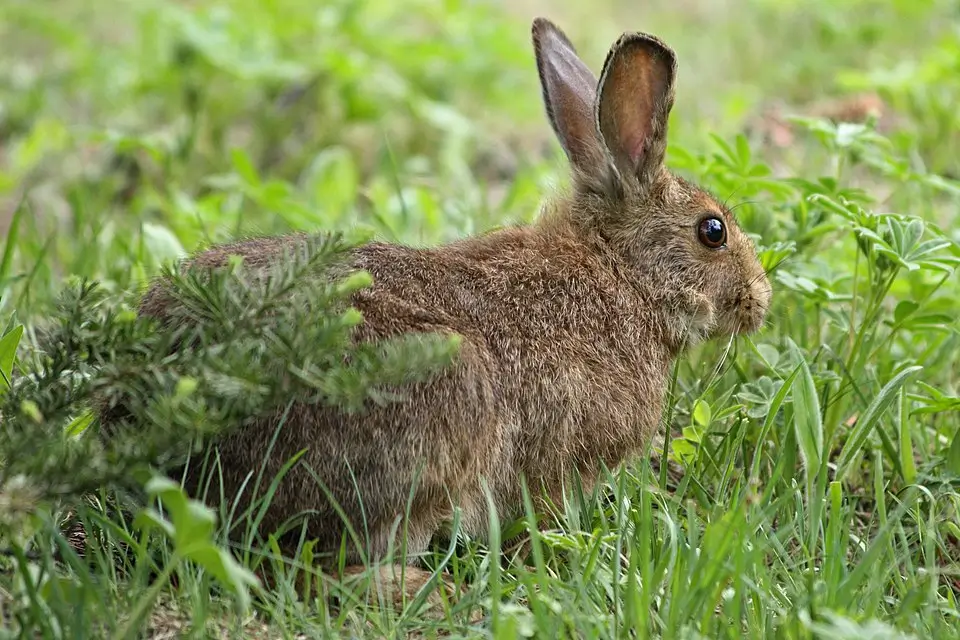
Perhaps the most visually stunning biological trait of the snowshoe hare is its seasonal pelage change. During the warmer months, the hare's coat is a mottled brown or grayish-brown, providing excellent camouflage against leaf litter, soil, and underbrush. As daylight hours shorten in autumn, a hormonal cascade triggered by photoperiod — the changing length of day and night — stimulates the growth of a thick, white winter coat. This transformation typically takes several weeks and is timed to roughly coincide with the arrival of snow in the hare's native range. In spring, the process reverses, and the brown summer coat returns. This molting cycle is one of nature's most elegant examples of phenotypic plasticity.
Snowshoe hares are also notable for their reproduction. Females, called does, can produce multiple litters per year during the breeding season, with litter sizes typically ranging from two to four leverets. Unlike rabbits, which are born helpless and hairless in underground burrows, hare leverets are born fully furred, with their eyes open, and are capable of independent movement within hours of birth. This precocial birth strategy reflects the hare's evolutionary preference for above-ground living and its need to be mobile in predator-rich environments from the very start of life.
Another remarkable biological feature is the snowshoe hare's population cycle. Populations of Lepus americanus follow a roughly 10-year boom-and-bust cycle, closely linked to the population dynamics of their primary predator, the Canadian lynx (Lynx canadensis). When hare populations are high, lynx populations follow suit, eventually growing large enough to suppress hare numbers. As hare populations crash, lynx numbers decline in turn, allowing hare populations to begin recovering. This predator-prey oscillation is one of the most studied and iconic examples of population dynamics in ecology, and has been documented by biologists and trappers for centuries.
Habitat & Range
The snowshoe hare is a boreal and subarctic specialist, most at home in the dense coniferous and mixed forests of Canada and the northern United States. Its range extends from Alaska and the Yukon in the west, across the entire breadth of Canada, and south into portions of New England, the Great Lakes region, and the Rocky Mountains. Isolated populations exist at high elevations further south, where cooler climates mimic the boreal conditions the species prefers.
Within its range, the snowshoe hare gravitates toward areas with dense understory cover — thickets of young conifers, willow and alder shrubs, and brushy transitional zones between open meadows and mature forest. This preference for dense vegetation serves a dual purpose: it provides both food and cover. In winter, hares rely heavily on the bark, twigs, and buds of woody plants such as willows, birches, and various conifers. In summer, their diet broadens to include grasses, forbs, and leafy vegetation.
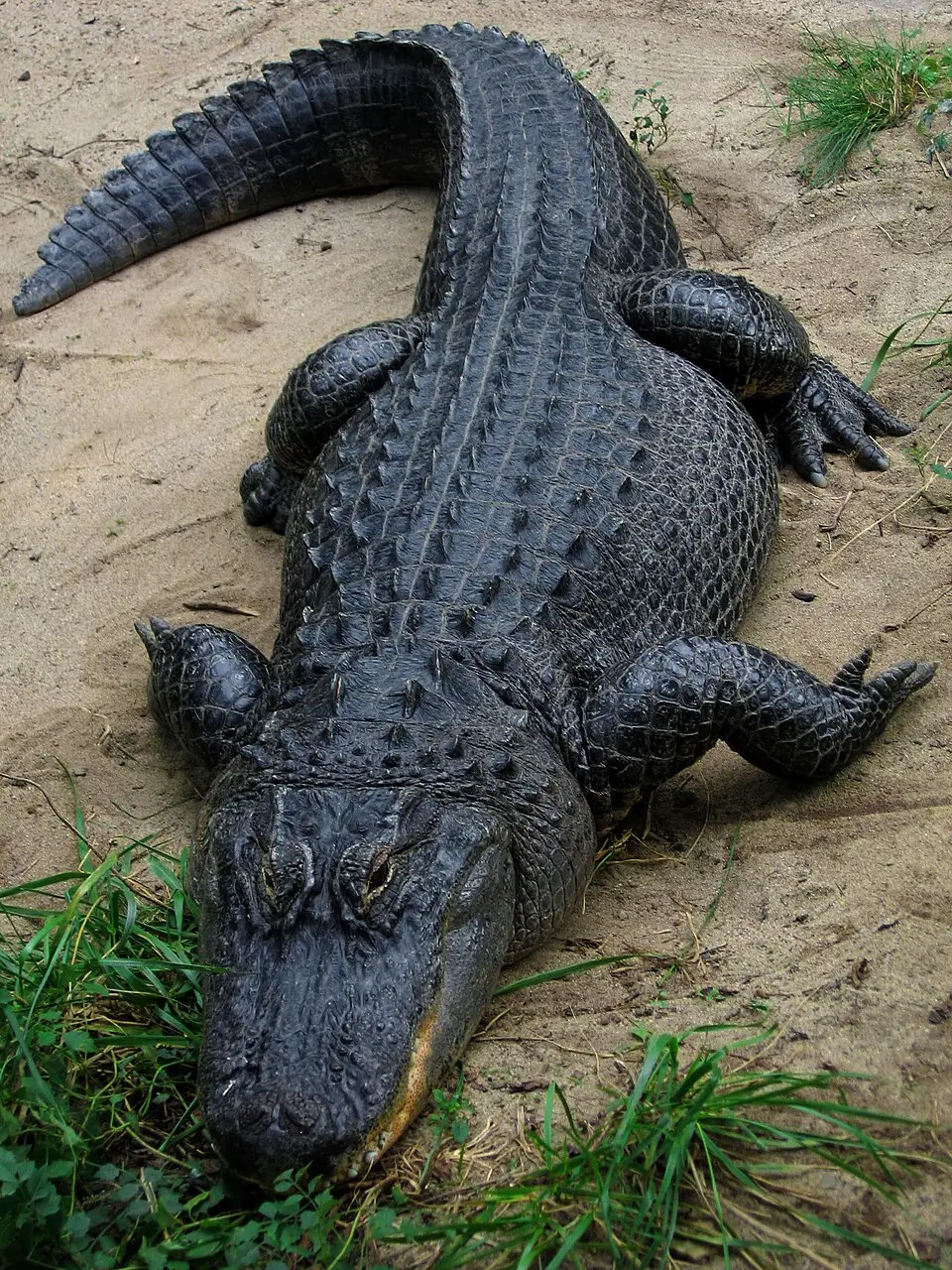
The species is not typically found in the southern United States, including Texas. Its ecological requirements — cold winters, persistent snow cover, and boreal vegetation communities — are simply not met in the warm, semi-arid, and subtropical landscapes that define much of the Lone Star State. While Texas boasts extraordinary wildlife diversity, from white-tailed deer and wild turkey to alligators and ocelots, the snowshoe hare is not part of its native fauna.
Hunting Information
Snowshoe hare hunting is a cherished small game tradition across much of Canada and the northern tier of the United States. Hunters pursue them through snow-covered forests, often using beagles or other small hounds to flush and circle the hares back toward waiting hunters — a classic and time-honored method that has been practiced for generations. The hare's tendency to run in large loops when pursued by dogs makes this a particularly effective and sporting technique.
Snowshoe hares can also be effectively hunted by still-hunting or slow still-stalking through dense cover, watching carefully for the telltale outline of a crouched hare against the snow. Their white winter coats, while perfect camouflage against snow, can sometimes betray them in partially melted or patchy snow conditions during transitional seasons. Dawn and dusk are peak activity periods, as hares tend to be most mobile during low-light hours.
In states where snowshoe hares are present and hunted, regulations vary and hunters should always consult their state wildlife agency for current season dates, bag limits, and licensing requirements. Small-caliber rifles such as the .22 LR, as well as shotguns loaded with light shot, are the most common tools of choice for hare hunters.
Snowshoe Hare Hunting in Texas: Based on the available information from the Texas Parks and Wildlife Department (TPWD), there are no specific snowshoe hare hunting seasons or regulations listed for Texas. This is consistent with the species' natural range, which does not extend into Texas. Hunters in Texas seeking small game opportunities are encouraged to visit the TPWD website at tpwd.texas.gov for the most current information on available small game species, season dates, and licensing requirements. Texas does offer outstanding hunting opportunities for a wide variety of other species, and the TPWD provides comprehensive guidance to help hunters make the most of what the state has to offer.
Conservation
The snowshoe hare is currently classified as a species of Least Concern by the International Union for Conservation of Nature (IUCN), reflecting its broad range and generally stable populations across its core boreal habitat. However, like many wildlife species, it faces a number of emerging challenges tied to environmental change.
One of the most discussed concerns relates to climate change and its potential to disrupt the timing of the hare's seasonal coat change. The hare's molting cycle is cued by photoperiod — the length of daylight — rather than actual temperature or snow conditions. As winters grow shorter and snowfall becomes less predictable across parts of the hare's range, there is growing evidence that mismatches can occur between the white winter coat and bare, snow-free ground. A white hare against dark earth is highly visible to predators, potentially increasing mortality rates during transitional seasons. Researchers are actively studying whether hare populations can adapt quickly enough to keep pace with changing climate conditions.
Habitat loss and fragmentation also pose localized threats, particularly at the southern edges of the hare's range where forest conversion, urban development, and changes in land use can degrade the dense understory habitat the species requires. Conservation efforts focused on maintaining and restoring boreal forest health, controlling invasive species, and preserving large, connected tracts of suitable habitat are all beneficial to snowshoe hare populations.
The species' critical role as prey for a wide range of predators — including lynx, coyotes, foxes, great horned owls, and others — means that maintaining healthy hare populations is important not just for the hare itself, but for the overall integrity of boreal food webs. Conservation of the snowshoe hare is, in many respects, conservation of an entire ecosystem.