Overview
Few animals capture the human imagination quite like the red fox. With its vivid russet coat, bushy tail, and sharp, intelligent eyes, Vulpes vulpes has earned a prominent place in folklore, literature, and wildlife observation across the globe. From the fables of Aesop to the forests of Texas, the red fox is universally recognized as a symbol of cunning, adaptability, and wild beauty. Yet beyond its cultural mystique lies a genuinely remarkable animal — one of the most successful and widely distributed carnivores on Earth.
The red fox is not merely a North American species; it is a true global citizen. Vulpes vulpes holds the distinction of being the most geographically widespread wild member of the order Carnivora, with a native and introduced range that spans the Northern Hemisphere and stretches into parts of the Southern Hemisphere. Whether thriving in dense boreal forests, sprawling suburban neighborhoods, arid scrublands, or the vast grasslands of Texas, the red fox demonstrates an extraordinary capacity to adapt and endure. Understanding this species in depth — its biology, behavior, ecological role, and relationship with hunters and conservationists alike — offers a fascinating window into the natural world.
Biological Traits
The red fox (Vulpes vulpes) belongs to the family Canidae, which also includes wolves, coyotes, domestic dogs, and other fox species. Within this family, the genus Vulpes represents the "true foxes," and the red fox is the largest member of that group. Its scientific name, Vulpes vulpes, reflects the Latin word for fox, repeated in the binomial nomenclature as both genus and species — a designation that underscores just how archetypal this animal is among its relatives.
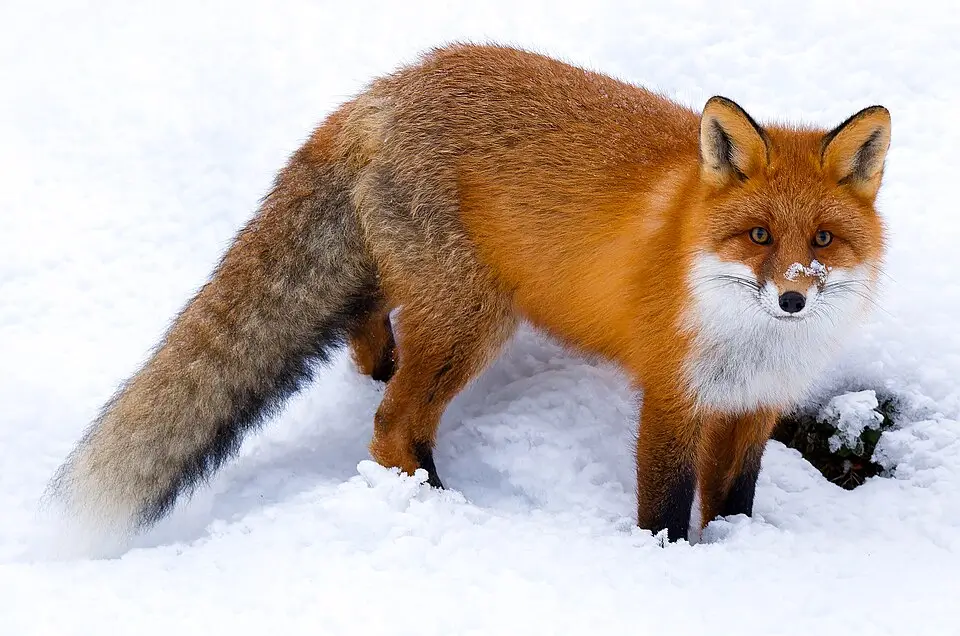
One of the most striking features of the red fox is, of course, its coloration. The classic coat is a rich, warm red or orange-red across the back and flanks, with white or pale undersides, dark legs, and the iconic bushy tail — known as a "brush" — which is typically tipped in white. However, color morphs do exist within the species. Melanistic (dark or black) individuals, cross foxes displaying a darker cross-shaped pattern across the shoulders, and silver foxes — which are actually black individuals with silver-tipped guard hairs — are all naturally occurring variations of the same species. This color diversity is a testament to the genetic richness of Vulpes vulpes across its range.
The red fox possesses a suite of physical adaptations that make it an exceptional predator and survivor. Its pointed muzzle houses a highly refined sense of smell, capable of detecting prey beneath layers of snow or soil. Its large, upright ears function like biological satellite dishes, swiveling independently to pinpoint the faintest rustle of a mouse beneath leaf litter. A red fox can hear low-frequency sounds at remarkable distances, an ability that makes it a formidable hunter in all seasons.
Red foxes are also notable for their locomotion and agility. They are capable of reaching speeds sufficient to pursue prey and evade predators, and their lithe bodies allow them to navigate dense brush, squeeze through tight spaces, and leap with surprising precision. The characteristic "mousing pounce" — in which a fox leaps vertically into the air and comes down with its front paws on prey hidden beneath vegetation or snow — is one of the most memorable hunting behaviors in the animal kingdom.
From a reproductive standpoint, red foxes are seasonally monogamous. Breeding typically occurs in winter, and after a gestation period of roughly 52 days, a vixen (female fox) gives birth to a litter of kits — usually ranging from two to twelve, though litter sizes vary by region and resource availability. Kits are born blind and helpless, relying entirely on their mother's care and the provisioning of both parents. By late summer, young foxes begin dispersing to establish their own territories, a process that contributes to the species' wide distribution.
Red foxes are omnivores with highly varied diets. Their menu includes small mammals such as mice, voles, rabbits, and squirrels; birds and their eggs; insects; fruits and berries; and carrion when available. This dietary flexibility is a major factor in the red fox's success across such a diversity of habitats and climates. In agricultural landscapes, they may consume crop pests, providing an incidental benefit to farmers. In suburban and urban environments, they readily exploit human food waste and bird feeders.
Habitat & Range
The red fox is a habitat generalist of the highest order. Globally, Vulpes vulpes occupies tundra, boreal forest, temperate woodland, grassland, farmland, desert margins, and urban areas. It is native across most of North America, Europe, Asia, and portions of North Africa, and has been introduced — sometimes controversially — to Australia and other regions.
In North America, the red fox is found from Alaska and Canada southward through much of the contiguous United States. Its presence in the American South, including Texas, reflects the species' ability to thrive in a wide range of climates and ecosystems. Texas, with its extraordinary ecological diversity, provides suitable habitat across multiple regions. The state's varied landscape — from the piney woods of East Texas and the rolling Hill Country to the semi-arid brushlands of South Texas and the grasslands of the Panhandle — offers red foxes ample food resources, denning opportunities, and space to roam.
Red foxes tend to favor edge habitats: transitional zones between forests and open fields, woodland margins adjacent to farmland, and areas where diverse plant communities intersect. These environments tend to support the highest densities of small mammals and other prey, making them ideal hunting grounds. In Texas, river bottoms, creek drainages, brushy pastures, and the fringes of agricultural land all represent prime red fox country.
Home range sizes for red foxes vary considerably depending on habitat quality, prey abundance, and population density. In resource-rich environments, territories may be relatively compact; in leaner habitats, foxes must range more widely to meet their nutritional needs. Red foxes are largely crepuscular and nocturnal, most active at dawn, dusk, and through the night — though daytime activity is not uncommon, particularly among urban-adapted individuals.
Hunting Information
In Texas, the red fox occupies an interesting regulatory niche. The Texas Parks and Wildlife Department (TPWD) oversees wildlife management across the state, and hunters seeking the most current, specific information on red fox regulations — including any applicable season dates or licensing requirements — should consult TPWD directly through their official resources. According to the available state hunting information provided by TPWD, mandatory harvest reporting requirements currently apply to wild turkey and certain antlerless white-tailed deer; specific mandatory reporting requirements for red fox were not indicated in the current regulatory summary reviewed for this article.
Red fox hunting and trapping have long traditions in North America and Texas. Hunters pursue red foxes using a variety of methods, including predator calling — using electronic or mouth-blown calls that mimic the distress cries of rabbits, birds, or other prey animals to attract curious foxes within range. This style of hunting demands patience, fieldcraft, and an intimate understanding of fox behavior and movement patterns.
Coyote hunters in Texas frequently encounter red foxes as well, as both species occupy overlapping habitats and respond to similar calling techniques. Night hunting with the aid of artificial lights or thermal optics is a popular and effective method for predator hunters across the state, as it aligns with the naturally nocturnal habits of the red fox.
Trappers also pursue red foxes as part of broader predator and furbearer management programs. The red fox's historically valuable pelt has made it a traditional target for the fur trade, though market values for wild-caught furs fluctuate with broader economic and fashion trends. Regardless of method, ethical and lawful pursuit of red foxes in Texas begins with obtaining the proper licenses and understanding current TPWD regulations before heading afield.
Texas's vast private land network, which constitutes the overwhelming majority of huntable acreage in the state, provides excellent opportunities for hunters who secure landowner permissions. Given Texas's reputation as one of the premier outdoor recreation destinations in the United States, access to quality predator hunting grounds — including land that supports red fox populations — is an ongoing consideration for serious hunters.
Conservation
The red fox (Vulpes vulpes) is currently classified as a species of Least Concern by major wildlife conservation bodies, a reflection of its extraordinary adaptability and broad global distribution. Unlike many wildlife species facing population pressures from habitat loss, pollution, or overexploitation, the red fox has, in many regions, actually benefited from human landscape modification. The fragmentation of forests into agricultural and suburban mosaics has in some areas increased habitat suitability for a species that thrives in edge environments.
That said, red fox populations are not without their challenges. Disease — particularly mange, caused by parasitic mites — can significantly impact local populations, causing population fluctuations that are well documented among wildlife managers. Rabies is another disease of concern in red fox populations, and wildlife health monitoring programs play an important role in tracking disease prevalence and protecting both wildlife and human communities.
In Texas, the TPWD actively manages the state's diverse wildlife resources through science-based conservation programs, regulated hunting seasons, and habitat initiatives. Hunters and trappers who participate in lawful, regulated harvest of predators like the red fox contribute directly to wildlife management goals, funding conservation through license fees and excise taxes on sporting equipment under the Federal Aid in Wildlife Restoration Act (commonly known as the Pittman-Robertson Act). This model of conservation funding, driven largely by the sporting community, has been one of the most successful wildlife funding mechanisms in American history.
The red fox's role in ecosystem health should not be underestimated. As a mid-level predator, it plays an important role in regulating populations of small rodents, rabbits, and other prey species. In doing so, red foxes contribute to the balance of the ecosystems they inhabit, influencing plant communities, insect populations, and the broader web of ecological relationships.
For wildlife enthusiasts, hunters, and conservation-minded Texans alike, the red fox represents one of nature's great success stories — a resilient, beautiful, and ecologically vital species that enriches the wild landscapes of Texas and the world beyond.