Overview
Few sounds evoke the feeling of a warm Southern morning quite like the clear, whistled call of the Northern bobwhite. That distinctive two- or three-note song — a bright, rising bob-WHITE or bob-bob-WHITE — has echoed across meadows, brushlands, and forest edges throughout the eastern United States for centuries, becoming one of the most recognizable wildlife sounds in North America. Known scientifically as Colinus virginianus, the Northern bobwhite is a small, ground-dwelling quail that holds a special place in both the ecological fabric of the American landscape and the traditions of upland bird hunters.
Whether you know it as the bobwhite quail, the Virginia quail, or simply "the bobwhite," this charismatic bird has captured the imagination of naturalists, hunters, and wildlife enthusiasts alike. In states like Texas — where wide-open brushlands, rolling prairies, and diverse agricultural landscapes create ideal conditions — the Northern bobwhite is not just a wildlife species but a cultural icon. Understanding its biology, behavior, and habitat needs is essential for appreciating why this bird matters and why so many people dedicate themselves to its conservation.
Biological Traits
The Northern bobwhite (Colinus virginianus) belongs to the family Odontophoridae, the New World quails — a group that includes other familiar species such as the California quail and the Gambel's quail. Despite its small size, the bobwhite is a bird of remarkable complexity and behavioral richness.
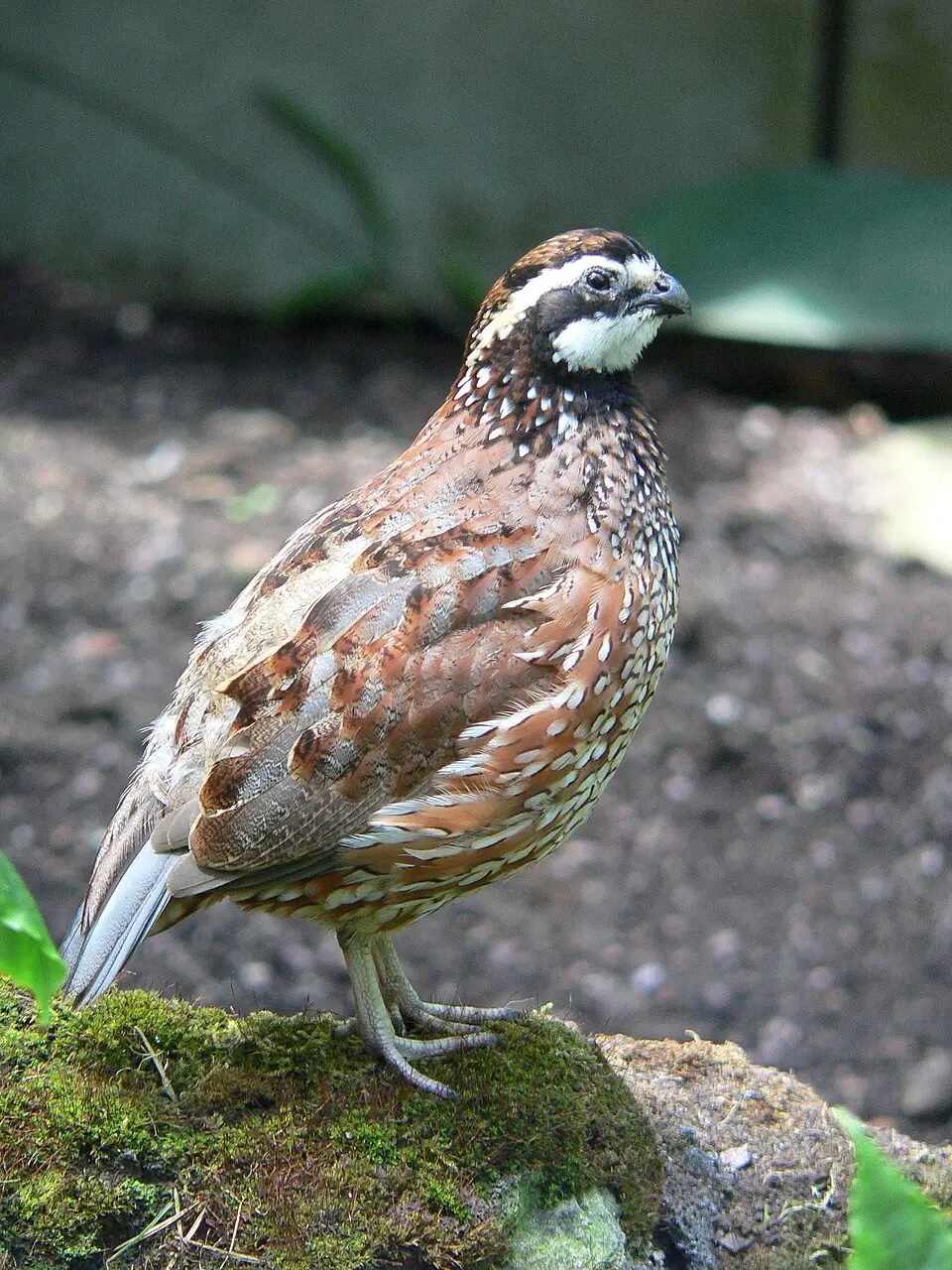
Adult bobwhites are compact, rotund birds, typically measuring around 9 to 11 inches in length with a wingspan of roughly 13 to 15 inches. They weigh between 5 and 8 ounces, making them a true small game bird. The plumage of both sexes features intricate patterns of brown, black, white, and buff — a mosaic that provides superb camouflage among leaf litter and dry grasses. Male bobwhites are distinguishable by their bold white throat patch and white supercilium (eyebrow stripe), which contrast sharply against a black facial mask. Females display similar patterning but with buffy or tawny tones replacing the white markings.
One of the bobwhite's most fascinating behavioral traits is its social structure. Outside of the breeding season, bobwhites gather in groups called coveys, typically consisting of 10 to 30 birds. Covey life is essential for the species' survival, offering advantages in foraging efficiency, thermoregulation, and predator detection. When threatened, a covey will often remain motionless and rely on cryptic coloration to avoid detection, then explode into rapid, whirring flight — a startling behavior known as a "flush" that is both a survival mechanism and one of the thrilling hallmarks of bobwhite hunting.
Breeding season runs roughly from late spring through early fall, with peak nesting activity occurring in early summer. Bobwhites are notably flexible nesters, constructing shallow, grass-lined nests directly on the ground, often concealed within dense vegetation. Clutch sizes are impressive, typically ranging from 12 to 16 eggs. Uniquely among many bird species, both the male and the female participate actively in incubation and chick-rearing, a trait that contributes to the species' reproductive potential. The incubation period lasts approximately 23 days, and chicks are precocial — meaning they are mobile and capable of foraging almost immediately after hatching.
The bobwhite's diet is omnivorous and shifts with the seasons. In warmer months, insects make up a significant portion of the diet, providing critical protein for growing chicks. As fall and winter arrive, the birds shift predominantly to seeds, including wild legumes, agricultural grains, weed seeds, and native grasses. This dietary flexibility is one reason bobwhites can persist across such a broad geographic range.
Habitat & Range
The Northern bobwhite occupies one of the widest natural ranges of any quail species in North America. Its distribution stretches from the eastern United States westward into the Great Plains and southward through Mexico and into Central America. Within the United States, bobwhites are found from southeastern Nebraska and southern New England down through Florida and west to eastern Colorado and Texas.
Texas, given its enormous geographic size and ecological diversity, represents one of the most important states for Northern bobwhite populations. The state's southern and western brushlands, the Rolling Plains, the Cross Timbers, the Gulf Coast prairies, and the South Texas Plains all provide habitat that, under the right conditions, can support thriving bobwhite populations. Texas borders the Gulf of Mexico to the southeast and shares an extensive international boundary with Mexican states, including Chihuahua, Coahuila, Nuevo León, and Tamaulipas — regions where bobwhite populations also persist and where landscape-scale conservation efforts can have meaningful cross-border effects.
Bobwhites are classic edge habitat specialists. They thrive in landscapes where open grasslands, shrubby cover, and woodlands intersect in a mosaic pattern. This type of structure provides nesting cover, escape cover from predators, loafing areas, and foraging opportunities all within close proximity. Brushy field borders, hedgerows, native bunchgrasses, mixed shrublands, and areas with patchy woody cover are hallmarks of prime bobwhite country. Conversely, large monocultures of either dense forest or open cropland with no structural diversity tend to support far fewer birds.
The availability of water is also important, particularly in the arid and semi-arid regions of western Texas, where summer temperatures can be extreme. Bobwhites obtain much of their moisture from their food but will utilize stock tanks, seeps, and shallow water sources when available.
Hunting Information
The Northern bobwhite is one of the most historically significant and beloved upland game birds in North American hunting culture. Bobwhite hunting — often conducted with pointing dogs working through brushy cover — has deep roots in Southern and Texan sporting tradition, and it remains a pursuit that connects hunters to the land in a uniquely intimate way.
In Texas, the Texas Parks and Wildlife Department (TPWD) serves as the governing authority for hunting regulations and wildlife management. Hunters in Texas are encouraged to consult the TPWD's official resources for the most current season dates, bag limits, and licensing requirements, as regulations are reviewed and updated on an annual basis. The TPWD provides comprehensive hunting season date information and actively manages wildlife resources across the state, making it a primary and reliable source for all regulatory information related to bobwhite hunting.
Hunting bobwhites typically involves walking cover with bird dogs — setters, pointers, Brittanys, and other flushing or pointing breeds are all popular choices — and shooting birds as they flush. Hunters often work in small groups, covering ground methodically through likely habitat. Shotguns in the 20-gauge or 12-gauge configuration, loaded with small shot sizes appropriate for upland birds, are the standard tool of the trade.
Texas landowners and lease hunters alike invest significantly in bobwhite habitat management, including prescribed burning, brush management, native grass restoration, and supplemental feeding and watering programs. These management practices reflect a deep cultural commitment to maintaining healthy quail populations for future generations of hunters and wildlife enthusiasts.
Conservation
The Northern bobwhite faces significant conservation challenges across much of its range. Long-term population declines have been documented in many regions, driven primarily by habitat loss — the conversion of native grasslands and brushy field edges to intensive row-crop agriculture, suburban development, and the suppression of natural fire regimes that once maintained open, structurally diverse landscapes.
In Texas, conservation efforts led by landowners, state agencies like TPWD, and non-governmental organizations represent some of the most ambitious quail recovery work in the country. Programs emphasizing native habitat restoration, prescribed fire, and the creation of brush structure provide bobwhites with the cover and food resources they need. Research into bobwhite ecology continues to refine our understanding of the species' specific habitat requirements, predator dynamics, and population responses to management.
The Northern bobwhite serves as an important indicator species — a bellwether for the overall health of early successional and grassland ecosystems. When bobwhite populations are thriving, it is generally a sign that the broader ecological community is in good shape. Conversely, declining bobwhite numbers often signal broader landscape-level changes that affect a wide variety of plant and animal species.
Hunters have historically been among the most passionate advocates for bobwhite conservation, contributing funding through license fees, habitat programs, and land stewardship. The cultural connection between bobwhite hunting and the Southern and Texan outdoors tradition provides strong motivation for continued investment in the species' future.
Conclusion
The Northern bobwhite is far more than a game bird. It is a living thread connecting the landscapes of the American South to the people who cherish them — hunters, birders, farmers, ranchers, and conservationists alike. Its bright, cheerful call remains one of the defining sounds of the Southern outdoors, and its future depends on the continued commitment of all who value healthy, diverse wild lands. In Texas and across its range, the bobwhite's story is one of resilience, cultural significance, and ongoing conservation effort worthy of our best attention.