Overview
Few birds capture the essence of the American outdoors quite like the mourning dove. Its soft, mournful cooing drifts across fields and farmlands from dawn to dusk, a sound so familiar that most Americans have heard it without ever knowing the source. The mourning dove (Zenaida macroura) is one of the most abundant and widely distributed birds in North America, and for hunters across the continent — particularly in the great state of Texas — it represents one of the most cherished and accessible upland bird hunting experiences available. Whether you're a seasoned wingshooter or stepping into the field for the first time, the mourning dove offers a fast-paced, challenging, and deeply rewarding pursuit.
The mourning dove holds a unique position in both the ecological and cultural fabric of North America. It is simultaneously one of the continent's most hunted birds and one of its most successful wildlife species. Its adaptability, prolific breeding habits, and wide-ranging distribution have allowed it to thrive even as landscapes change around it. Understanding the biology, behavior, and habitat of the mourning dove is essential not only for hunters seeking to improve their success in the field, but for anyone who appreciates the remarkable diversity of American wildlife.
Biological Traits
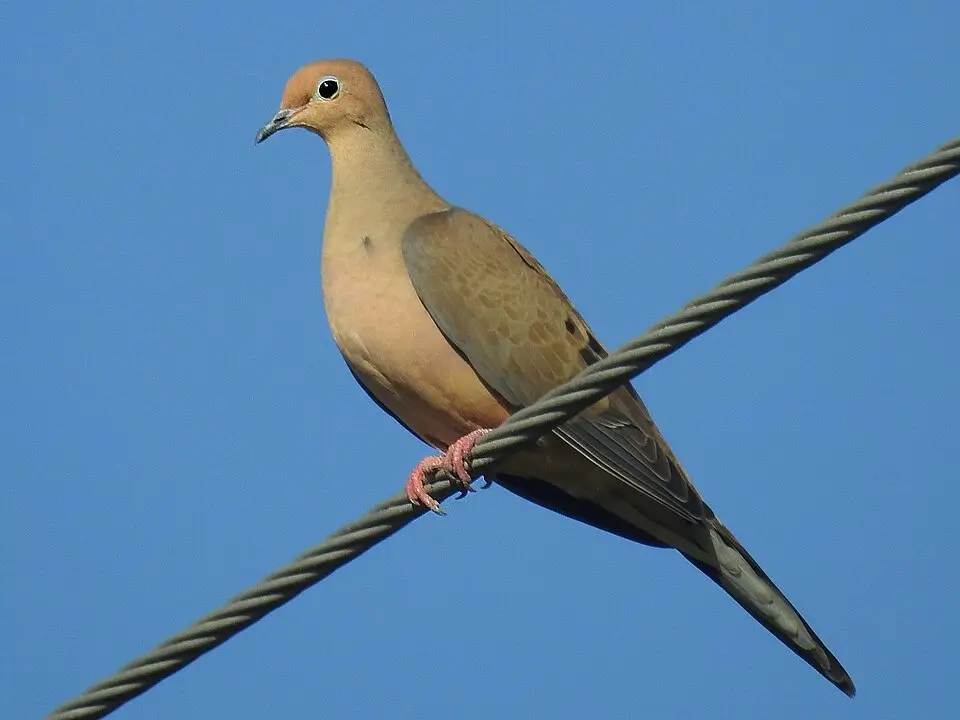
The mourning dove (Zenaida macroura) belongs to the family Columbidae, the family that includes all pigeons and doves worldwide. It is a medium-sized bird, slender in build, with a small rounded head and a distinctive long, tapered tail that sets it apart from other dove species. Its plumage is a soft, warm blend of grayish-brown and buff tones, with a pale pinkish wash on the breast and iridescent patches on the neck that shimmer in sunlight. Both sexes are similar in appearance, though males tend to display slightly more vibrant coloring, particularly around the neck.
One of the mourning dove's most recognizable features is its call — a series of soft, drawn-out coos that have an almost melancholic quality, which is the origin of its common name. These vocalizations are produced by males primarily during the breeding season as a courtship display, though doves call throughout the year in various social contexts.
The mourning dove is notably fast in flight. Capable of reaching speeds exceeding 55 miles per hour, it flies with powerful, direct wingbeats that make it one of the more challenging targets for wingshooters. This speed, combined with the bird's ability to change direction quickly and erratically, contributes significantly to its reputation as one of the most difficult upland game birds to consistently hit.
Mourning doves are granivorous, meaning their diet consists almost entirely of seeds. They feed primarily on the ground, consuming seeds from a wide variety of wild grasses, agricultural crops such as corn, sunflower, millet, and wheat, as well as weed seeds from disturbed areas. This dietary flexibility is a key component of their remarkable success as a species. Unlike many other bird species, doves do not crack seeds open — they swallow them whole and rely on their muscular gizzard to grind them for digestion.
Another fascinating biological trait of the mourning dove is its extraordinary reproductive capacity. Doves are among the most prolific breeders of any North American bird species. A mated pair can produce multiple broods per year — in some warmer climates as many as five or six clutches annually. Each clutch consists of just two eggs, which both parents incubate and care for. The young, called squabs, develop rapidly and leave the nest within about two weeks of hatching. This high reproductive rate is one of the primary reasons that mourning dove populations remain robust even under significant hunting pressure.
The mourning dove also has a unique adaptation shared with other members of the Columbidae family: crop milk. Both male and female doves produce a nutritious, high-protein secretion from the lining of their crop — a specialized part of the esophagus — which they feed to their squabs in the early days of life. This "pigeon milk" is rich in fat and protein and allows the young birds to grow at an impressive rate.
Habitat & Range
The mourning dove is one of the most widespread birds in North America. Its range extends from southern Canada through the entire continental United States, through Mexico, Central America, and into parts of the Caribbean. It is a year-round resident across much of its range, though populations in the northern portions of the continent do migrate south during the colder months, following food availability and favorable temperatures.
Mourning doves are highly adaptable in their habitat preferences. They thrive in a wide variety of open and semi-open environments, including agricultural fields, grasslands, open woodlands, desert scrublands, suburban neighborhoods, and roadsides. They tend to avoid dense forested areas, preferring landscapes that offer a combination of open ground for feeding and elevated perches — such as utility lines, fence posts, and trees — for resting and roosting.
This adaptability makes the mourning dove a common sight across virtually every landscape type in Texas. The Lone Star State, with its extraordinary geographic diversity — spanning Gulf Coast prairies, Hill Country woodlands, Trans-Pecos desert, Panhandle grasslands, and rich agricultural river valleys — provides an almost ideal mosaic of habitats for mourning doves year-round. Texas serves as both a permanent resident habitat and a critical migratory corridor and wintering ground for doves moving through the central and western flyways of North America.
Agricultural landscapes are particularly important for mourning doves. Fields of harvested grain, sunflower crops, and milo provide critical feeding areas, especially during migration and in the early hunting season. Water sources are equally vital — doves typically need to drink at least once a day, making ponds, stock tanks, streams, and other water features key congregation points, especially in drier habitats like the semi-arid regions of South and West Texas.
Hunting Information
The mourning dove is the most hunted migratory bird in the United States and arguably the most popular game bird in Texas. Dove hunting is deeply embedded in Texas outdoor culture, often serving as the opening event of the fall hunting season and a time-honored tradition for families, friends, and hunting clubs across the state. September dove openers are as anticipated as any other event on the Texas outdoorsman's calendar.
Texas Parks and Wildlife Department (TPWD) oversees mourning dove hunting in Texas, and hunters should always consult the most current TPWD regulations before heading to the field. As with all migratory birds in the United States, mourning doves are managed under the Migratory Bird Treaty Act, which means that federal regulations from the U.S. Fish and Wildlife Service apply in addition to state rules. Hunters are encouraged to visit the official TPWD website for up-to-date season dates, bag limits, and license requirements, as these are subject to change annually. The TPWD website provides comprehensive hunting season date information through its annual hunting season proclamation.
Successful dove hunting typically involves identifying high-quality feeding fields, reliable water sources, and established flight corridors between roost sites and feeding areas. Hunters typically set up on the edges of fields or near water sources and intercept doves as they fly in to feed or drink. Decoys, spinning-wing attractors (where legally permitted), and calling can all be effective tools. However, even with the best setup, doves are notoriously challenging targets, and experienced hunters often remark that shooting percentage on doves can be humbling even for skilled wingshooters.
Because Texas serves as such a significant hub for dove hunting, the activity generates substantial economic activity across rural communities. Hunting leases, guiding services, sporting goods retailers, and local businesses all benefit from the robust dove hunting culture in the state. Many hunters view the dove season opener as a social occasion as much as a hunting trip, gathering with generations of family and old friends in the tradition of a late-summer field hunt.
Conservation
Despite being one of the most heavily hunted birds in North America, the mourning dove remains one of the continent's most abundant wild bird species. This remarkable resilience is largely attributed to the bird's exceptional reproductive productivity. Because doves breed prolifically throughout the warm months, annual hunting harvests are generally well within sustainable levels, and population studies have consistently shown that dove populations are not negatively impacted by regulated hunting seasons.
Federal and state wildlife agencies conduct regular population monitoring, including annual Breeding Bird Surveys and dove call-count surveys, which provide biologists with important data on population trends and health. This science-based management approach ensures that seasons and bag limits are adjusted as needed to keep populations thriving.
Habitat conservation is perhaps the most critical long-term factor for mourning dove populations. The preservation of agricultural lands, grasslands, and open country habitats is essential for maintaining healthy dove numbers. Conservation programs that support cover plantings, food plots, and water development on private lands benefit doves significantly. Many Texas landowners and wildlife managers actively manage their properties with dove habitat in mind, integrating food plot practices and water features that support robust local dove populations.
Organizations such as the Texas Parks and Wildlife Department and various private conservation groups play an important role in educating landowners and hunters about best practices for habitat management. The culture of conservation among Texas dove hunters is strong, with many hunters serving as active stewards of the landscapes they love.