Overview
Few animals capture the spirit of North American woodlands quite like the fox squirrel. Bold, curious, and strikingly beautiful, Sciurus niger is a familiar presence across much of the eastern and central United States — and a cherished target for small game hunters who appreciate both the challenge of the pursuit and the reward of the table. Known for its impressive size, variable coloration, and adaptable nature, the fox squirrel has earned a devoted following among wildlife enthusiasts and hunters alike.
In Texas, the fox squirrel holds a special place in the outdoor culture of the state. From the dense pine forests of East Texas to the oak-studded savannas of the Hill Country, these charismatic animals are a beloved part of the landscape. Whether you are a seasoned squirrel hunter looking to sharpen your woodsmanship skills, a wildlife watcher hoping to observe one of nature's most entertaining creatures, or simply a nature lover curious about the animals that share your backyard, the fox squirrel is well worth getting to know.
This article takes a comprehensive look at the fox squirrel — its biology, habitat, behavior, and its significance to hunters and conservationists across Texas and beyond.
Biological Traits
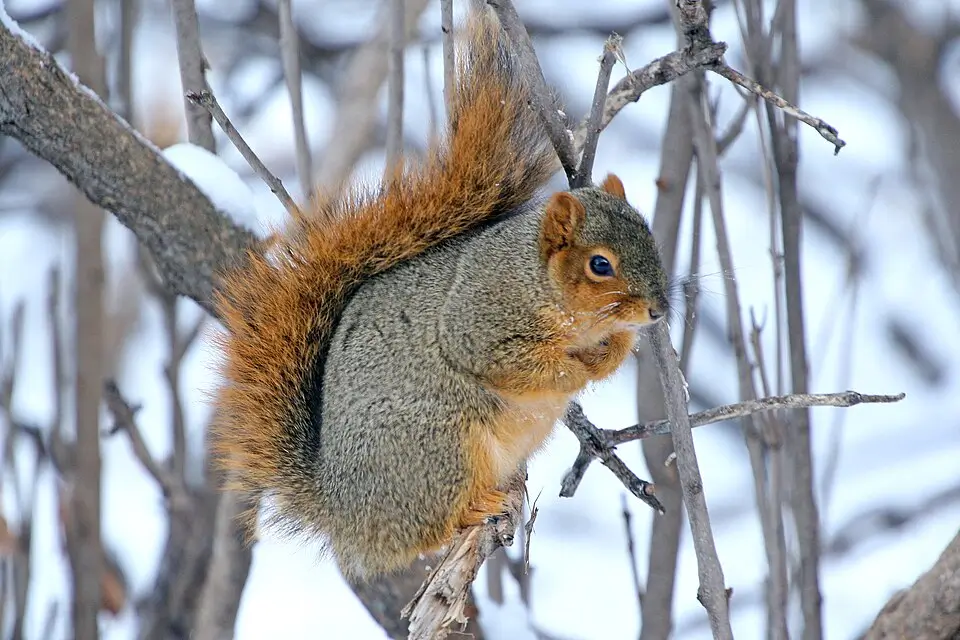
The fox squirrel (Sciurus niger) is the largest tree squirrel native to North America. Its scientific name, Sciurus niger, translates roughly from Latin and Greek as "black squirrel" — a nod to the dark color variations found in some populations — though in practice, fox squirrels display a remarkable range of coat colors. Individuals can appear in shades of rusty orange, tawny brown, gray, and even jet black, depending on the region and local genetics. This variability in coloration is one of the species' most distinctive characteristics and has occasionally caused confusion among observers who may not immediately recognize different-colored individuals as belonging to the same species.
As a member of the family Sciuridae, the fox squirrel is closely related to other tree squirrels such as the eastern gray squirrel (Sciurus carolinensis) and the western gray squirrel (Sciurus griseus). The genus Sciurus includes dozens of squirrel species distributed across the Americas and Eurasia, all sharing the hallmark traits of large bushy tails, strong climbing feet, and keen senses that make them superbly adapted to life in the trees.
The fox squirrel's large size sets it apart from most of its relatives. Adult individuals are substantially heavier and longer than the more common eastern gray squirrel, giving them a robust, almost cat-like presence when observed moving through the forest canopy or foraging on the ground. Their bushy tails, which they use for balance, communication, and thermal regulation, are often tipped with contrasting colors that make them particularly eye-catching.
Fox squirrels are diurnal animals — meaning they are active during daylight hours — which makes them rewarding subjects for wildlife observation and hunting. They are most active in the early morning and late afternoon, spending midday hours resting in tree cavities or leafy nests called dreys. Their diet is broadly omnivorous, though it consists primarily of hard mast such as acorns, hickory nuts, pecans, and walnuts. They also consume seeds, fungi, berries, insects, and occasionally bird eggs. Like all members of the Sciuridae family, fox squirrels are scatter hoarders — they bury surplus food in numerous small caches spread across their territory, relying on spatial memory to relocate these stores during leaner months. This behavior plays an important ecological role, as cached nuts and seeds that are never recovered have a strong chance of germinating, effectively making fox squirrels important agents of forest regeneration.
Breeding behavior in fox squirrels typically occurs twice per year, with peak activity in late winter and again in midsummer. Females give birth to litters of two to four young, which are born blind and helpless. The young develop rapidly, becoming independent within a few months. Fox squirrels are generally solitary outside of the breeding season, though they are not aggressively territorial.
Their vocalizations include a variety of barks, chatters, and tail-flagging displays used to communicate alarm or social status. Observers who spend time in fox squirrel habitat will quickly learn to recognize the distinctive barking alarm call that these animals give when they detect a potential threat — a sound that has guided many a squirrel hunter to productive hunting spots.
Habitat & Range
The fox squirrel's native range spans a vast portion of North America, extending from the Great Plains in the west to the Atlantic coast in the east, and from southern Canada in the north to the Gulf Coast states in the south. Within this broad range, the species shows considerable adaptability, occupying a variety of woodland types that differ significantly across its geographic extent.
In general, fox squirrels prefer open, park-like woodland habitats with a mix of mature trees and open understory. They are particularly associated with oak, hickory, and pine forests, as well as pecan bottomlands, edges of agricultural fields, and riparian corridors lined with hardwoods. Unlike the eastern gray squirrel, which tends to favor dense, closed-canopy forests, the fox squirrel is more at home in woodland edges, open savannas, and fragmented forest patches — a trait that has allowed it to persist in many agricultural landscapes where forest cover has been reduced.
In Texas, the fox squirrel is found across a substantial portion of the state. East Texas provides prime habitat in the form of mixed pine-hardwood forests and bottomland hardwoods along river systems. The Post Oak Savanna and Pineywoods ecoregions are particularly productive. Fox squirrels are also found in the Cross Timbers region of north-central Texas, where a mosaic of oak woodlands and open grasslands creates ideal conditions for the species. Throughout these areas, the pecan — Texas's state tree — is an especially important food source, and fox squirrels are regularly found in association with both wild and cultivated pecan groves.
The species demonstrates a preference for areas with large, mature trees that provide both food resources and suitable cavities for denning. Den trees are critically important to fox squirrels, providing shelter from predators and extreme weather, and secure sites for raising young. In areas where large-diameter trees are scarce, fox squirrels will construct leaf nests in the upper branches, though these offer less insulation and protection than true cavities.
Hunting Information
Squirrel hunting has a long and honorable tradition in North America, and the fox squirrel is one of the most sought-after small game species across its range. The sport is widely regarded as an excellent way to introduce new hunters to the outdoors, as it requires patience, observation skills, and marksmanship — fundamental qualities of good woodsmanship — without the logistical complexity of larger game pursuits.
In Texas, small game hunting including squirrels is managed by the Texas Parks and Wildlife Department (TPWD). Hunters interested in pursuing fox squirrels in Texas should consult the current TPWD hunting regulations for the most up-to-date information on season dates, bag limits, and licensing requirements. The TPWD website provides comprehensive and current guidance on all aspects of small game hunting in the state, and reviewing official sources before heading afield is always the responsible approach.
It is worth noting that Texas offers hunters access to a wide variety of public and private lands where fox squirrel hunting can be enjoyed. Public hunting lands managed through the TPWD's public hunting program provide opportunities across many regions of the state, and private landowner permission opens up even more possibilities in prime squirrel habitat.
Traditional squirrel hunting methods include still hunting — moving slowly and quietly through woodland habitat and waiting for squirrels to reveal themselves — as well as calling and the use of dogs, particularly squirrel dogs bred and trained specifically for this purpose. Fox squirrels, given their larger size and tendency to frequent more open woodland, can be particularly rewarding to hunt with a carefully trained dog. Early morning hunts near productive mast trees, especially pecans and oaks, are consistently productive throughout the hunting season.
Fox squirrel meat is widely regarded as excellent table fare. The meat is mild, flavorful, and versatile, lending itself to a range of preparations including stews, braises, and classic Southern squirrel dishes. Many hunters consider it among the finest wild game available.
Conservation
The fox squirrel is currently classified as a species of least concern by conservation authorities, reflecting its broad distribution and generally stable populations across much of its range. However, localized declines have been documented in some areas, particularly in the eastern portions of its range where habitat loss and competition with the eastern gray squirrel have posed challenges.
Habitat conservation is the cornerstone of fox squirrel management. Maintaining and restoring open woodland habitats, preserving large-diameter trees that provide denning cavities, and protecting diverse mast-producing trees are all actions that benefit fox squirrel populations. In agricultural landscapes, retaining woodland edges, riparian corridors, and woodlot patches can make a significant difference for local squirrel populations.
Hunting regulations, where applicable, are designed to ensure sustainable harvest while allowing populations to remain healthy and productive. The long tradition of regulated small game hunting in the United States has coexisted with stable squirrel populations for generations, demonstrating that responsible hunting and conservation can work hand in hand.
In Texas, the TPWD works continuously to monitor and manage wildlife populations across the state, providing hunters and wildlife enthusiasts alike with a robust framework for enjoying and conserving species like the fox squirrel for future generations.