Overview
Few animals embody the spirit of the American wild quite like the coyote. Known scientifically as Canis latrans — Latin for "barking dog" — the coyote is one of North America's most recognizable, resourceful, and resilient predators. Its haunting howl, echoing across open plains, dense forests, and even suburban neighborhoods, has become as much a part of the American soundscape as the wind itself. From the high deserts of the Southwest to the rolling hills of Texas and beyond, the coyote has not only survived but thrived alongside human civilization, earning a reputation as one of the continent's most adaptable wild canids.
The coyote occupies a unique cultural space in North American life. It has long been a central figure in the mythology and oral traditions of many Indigenous peoples, often portrayed as a clever trickster figure. In modern times, it commands respect from wildlife biologists, hunters, and ranchers alike — each group engaging with the species in different ways and for different reasons. Whether you're a seasoned predator hunter, a wildlife enthusiast, or simply a curious naturalist, the coyote is an animal worthy of deep appreciation and careful study.
This article explores the biology, habitat, behavior, and hunting traditions surrounding the coyote, with a particular focus on Texas — one of the most storied hunting states in the nation and home to a robust coyote population.
Biological Traits
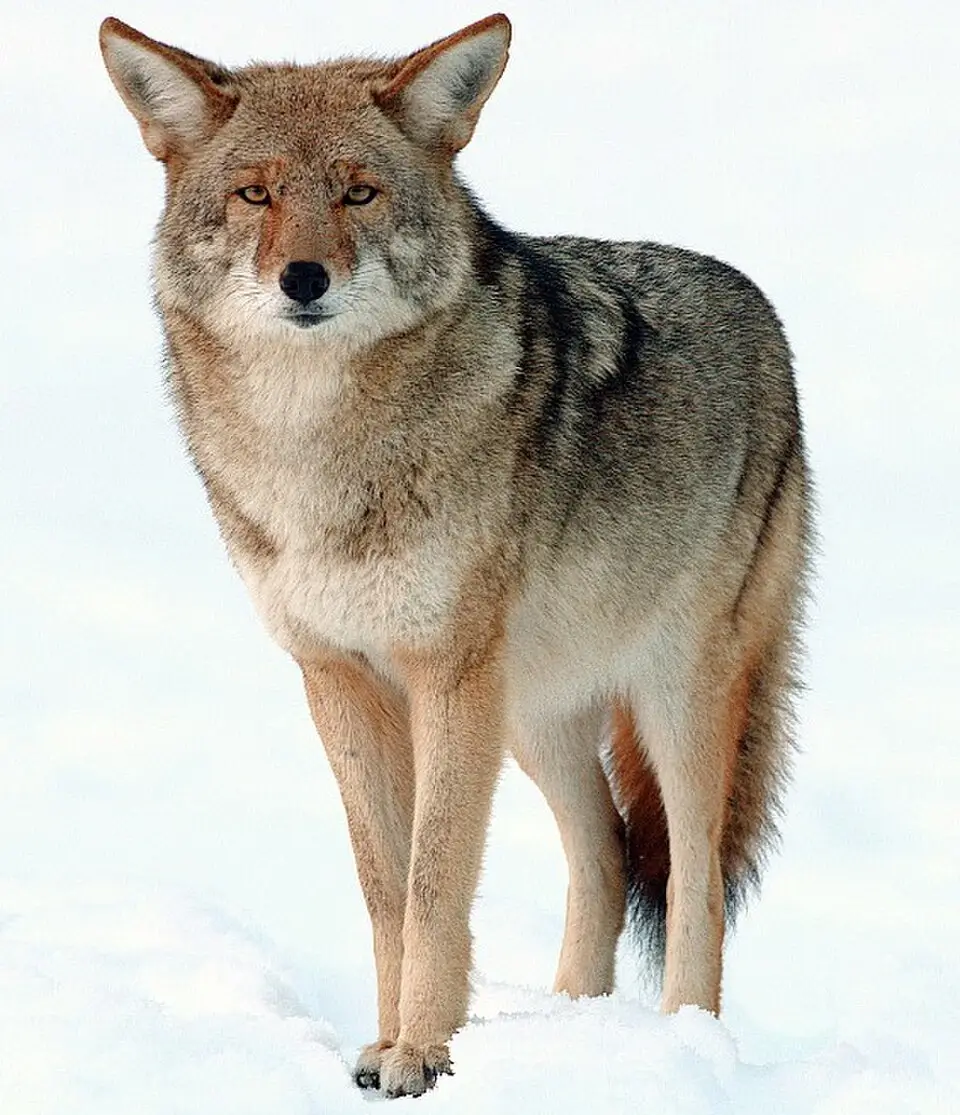
The coyote (Canis latrans) is a member of the family Canidae, placing it in close company with wolves, domestic dogs, and foxes. It is a medium-sized canid, generally smaller than a gray wolf but larger than a red fox, and possesses a lean, athletic build well-suited for speed and endurance. Coyotes typically have a narrow muzzle, large and erect ears, and a bushy, downward-carried tail — features that help distinguish them from domestic dogs and wolves in the field.
Coat coloration in coyotes varies considerably depending on geographic location and individual genetics. Most coyotes display a mix of gray, brown, and tan tones across their back and sides, with a lighter, often white or cream-colored underbelly. Some individuals may appear more reddish or darker gray. This natural variation in coloration contributes to the species' ability to blend into a wide range of environments, from arid desert scrublands to dense woodland edges.
Coyotes are highly intelligent animals with complex social structures. They are capable of living and hunting alone, in mated pairs, or in small family groups depending on territory, prey availability, and season. Pair bonds can be remarkably strong, and coyotes are often considered monogamous, with mated pairs working together to raise pups through denning season.
One of the most remarkable aspects of coyote biology is their vocal communication. Canis latrans — the "barking dog" — earns its name through an impressive repertoire of howls, yips, barks, and whines used to communicate with pack members, establish territory, and coordinate during hunts. This vocal complexity makes the coyote one of the most acoustically expressive wild canids in North America.
Coyotes are omnivores with a highly flexible diet. They prey on rabbits, rodents, deer fawns, birds, and insects, but will also consume fruit, berries, carrion, and human refuse when available. This dietary flexibility is a major factor in the coyote's extraordinary success as a species, allowing it to exploit food sources that would leave more specialized predators at a disadvantage.
Reproduction typically occurs once per year. Breeding season generally falls in late winter, with pups born in the spring after a gestation period of roughly 60 to 63 days. Litter sizes can vary but commonly range from four to seven pups. Both parents participate in raising the young, and older offspring from previous litters may assist in caring for new pups, a behavior known as "alloparenting" that is relatively rare among wild canids.
Habitat & Range
The coyote's range is one of the most expansive of any wild carnivore in the Western Hemisphere. Historically native to the prairies and open landscapes of central North America, the coyote has dramatically expanded its range over the past century and a half. Today, it can be found from Alaska and Canada in the north, throughout the continental United States, and into Central America to the south. In recent decades, coyotes have also established themselves in urban and suburban environments across the eastern United States, including major metropolitan areas.
This range expansion is largely attributed to the coyote's extraordinary adaptability. Unlike the gray wolf, which requires large, undisturbed wilderness territories, the coyote thrives in fragmented, human-altered landscapes. Agricultural fields, forest edges, riparian corridors, suburban greenbelts, and open rangeland all provide suitable habitat, provided prey and cover are available.
Texas, with its vast and ecologically diverse landscape, provides exceptional coyote habitat across virtually every region of the state. Texas covers more than 268,000 square miles and encompasses an extraordinary variety of ecosystems — from the arid Chihuahuan Desert in the west and the brushy Rio Grande Plains in the south, to the Piney Woods of East Texas and the tallgrass prairies of the north. Coyotes are found in all of these habitats, making them one of the most widely distributed predators in the Lone Star State.
The state's geographic diversity — including its borders with Louisiana, Arkansas, Oklahoma, New Mexico, and the Mexican states of Chihuahua, Coahuila, Nuevo León, and Tamaulipas — means that Texas sits at the crossroads of multiple coyote populations, contributing to the genetic diversity and vitality of the species within the state.
Hunting Information
Coyote hunting is a deeply embedded tradition across Texas and the broader American West. Predator hunters pursue coyotes for a variety of reasons, including wildlife management, protection of livestock and game animals, the pursuit of a challenging and rewarding hunting experience, and the harvest of pelts during colder months when fur quality is at its peak.
In Texas, the Texas Parks and Wildlife Department (TPWD) oversees wildlife management and hunting regulations throughout the state. Hunters and wildlife enthusiasts should always consult the most current TPWD guidelines for any applicable rules, as regulations can change from season to season. The TPWD provides resources including season dates, license requirements, and harvest reporting information to help hunters remain compliant and contribute to sound wildlife management.
Coyote hunting in Texas is generally considered year-round, as coyotes are classified as non-game animals in the state, reflecting the widespread nature of the population and the species' adaptability. However, hunters are always encouraged to verify the most current regulations directly with TPWD before heading afield.
Hunters pursue coyotes using a variety of methods, each requiring skill, patience, and an understanding of coyote behavior. Electronic and mouth-blown calls that imitate distressed prey animals — such as rabbits or rodents — are among the most popular and effective techniques. Hunters may also use howls and coyote vocalizations to locate animals and call them into range. Stand hunting, spot-and-stalk, and trapping are additional methods employed across Texas's varied terrain.
Many predator hunters in Texas combine coyote hunting with other pursuits, heading out during the same seasons that coincide with deer, turkey, and hog hunts. The TPWD provides updated hunting season information, including the 2026–2027 hunting season dates, through its official website, and hunters are encouraged to stay current with those resources.
Ethical coyote hunting demands attention to safe shooting practices, proper identification of targets, and respect for landowner permissions — as the vast majority of coyote hunting in Texas occurs on private land. Texas game wardens are active across the state, ensuring that hunting activities remain lawful and that wildlife resources are properly protected.
Conservation
Despite being one of the most hunted and managed predators in North America, the coyote has demonstrated a remarkable ability to maintain and even grow its population in the face of human pressure. This resilience is partly biological — coyotes can increase litter sizes and breeding rates in response to population reductions — making them one of the most challenging species to control through conventional means.
From a conservation standpoint, coyotes play an important ecological role as mesopredators. They help regulate populations of rodents, rabbits, and other small mammals, contributing to the health of the ecosystems they inhabit. In areas where apex predators like wolves have been reduced or eliminated, coyotes often fill an important niche in maintaining ecological balance.
Coexistence between coyotes and human communities — whether rural ranching operations or urban neighborhoods — is an ongoing and evolving conversation. Wildlife managers, ranchers, and conservation advocates continue to develop best practices for managing coyote interactions responsibly, ensuring that this iconic species remains a vital part of North America's natural heritage for generations to come.